Sea onion – a natural treasure of health
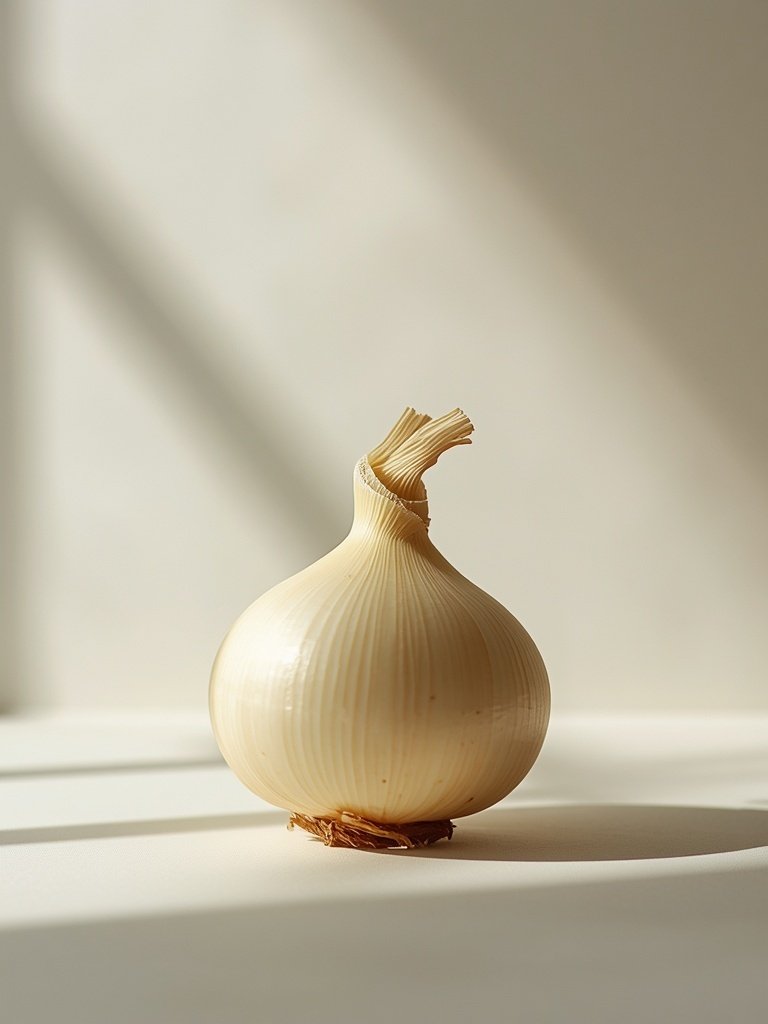
Table of Contents 4
Medical & Editorial Disclaimer (§3 Terms): This article is for informational and educational purposes only, does not constitute medical advice, diagnosis, or treatment, and is used at your own risk. Consult a qualified physician for medical conditions.
The unique pharmacological properties of the sea onion are primarily attributed to specific cardiac glycosides. These substances exert a positive effect on the contractile force of the heart muscle while simultaneously influencing heart rate. In phytotherapy, sea onion has historically been employed as a powerful expectorant in respiratory ailments and as a diuretic, with its mechanism of action based on mild irritation of the gastric mucosa and a reflexive stimulation of bronchial glands.
It is crucial to use sea onion exclusively in standardized extracts and under expert guidance. Due to its narrow therapeutic window, where the margin between an effective and a toxic dose is exceptionally slim, one should never attempt to harvest it or prepare concoctions from it independently. Adhering to these precautions ensures the safe utilization of its potential health benefits.
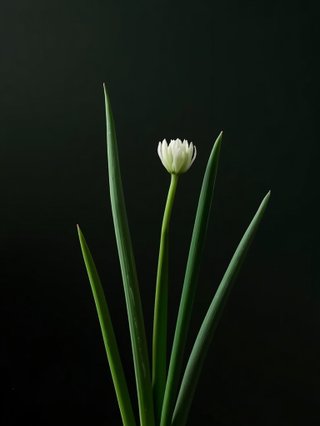
What is the sea onion and its botanical origin?
Chemical composition and bioactive cardiac glycosides
Traditional and phytotherapeutic applications of sea onion
Toxicity, contraindications, and safety precautions
Want to apply these guidelines in your daily diet?
Our smart diet generator creates a tailored meal plan in 3 minutes based on the recommendations in this article.

Wojciech Wiśniewski
• 24.09.2026Diets Premium Expert
Diets Premium team expert. Specializes in nutrition plans, strength sports, and training plans.