Raspberry tomato – characteristics, nutritional values, vitamin content, and recipe for a summer salad
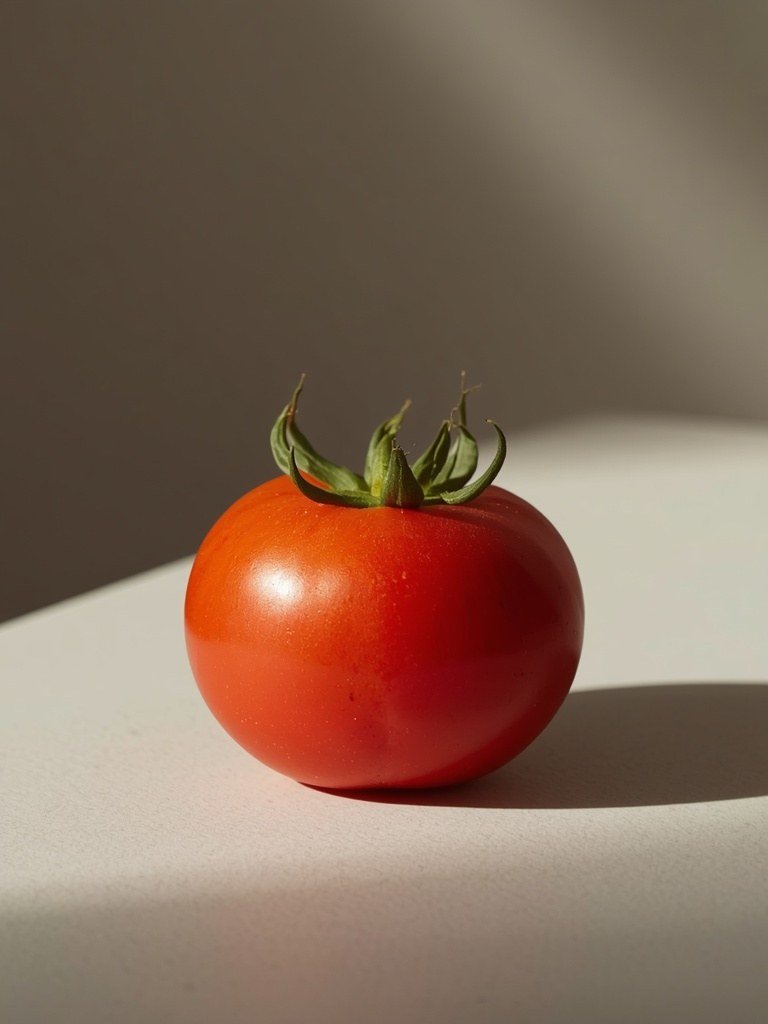
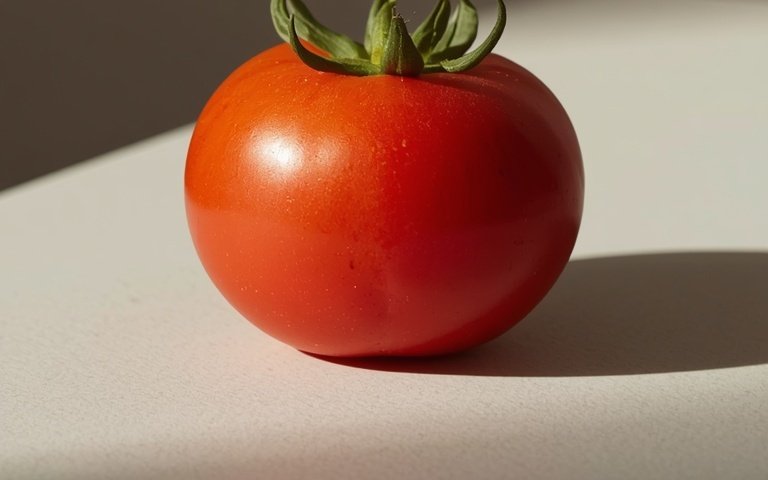
Table of Contents 5
Medical & Editorial Disclaimer (§3 Terms): This article is for informational and educational purposes only, does not constitute medical advice, diagnosis, or treatment, and is used at your own risk. Consult a qualified physician for medical conditions.
From a physiological perspective, these tomatoes are rich in lycopene, a powerful antioxidant carotenoid that helps protect cells against oxidative stress. They also provide significant amounts of ascorbic acid to support immune defenses and vascular integrity, alongside abundant potassium, which is vital for maintaining healthy blood pressure and supporting muscular recovery. The presence of essential minerals like magnesium, iron, and phosphorus, combined with dietary fiber, further enhances their role in supporting metabolic health and cardiovascular function.
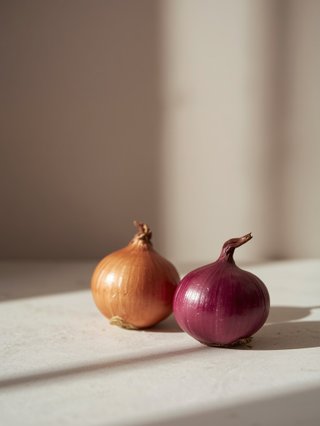
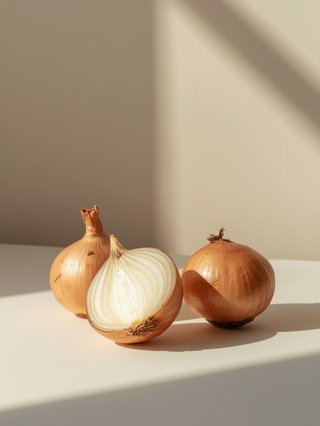
To enjoy these tomatoes at their best, consider preparing a refreshing summer salad that highlights their natural sweetness and juicy texture. By layering thin slices of ripe tomato with creamy mozzarella, crisp red onion, and fresh watermelon cubes, you create a vibrant and nutrient-dense dish. A light drizzle of cold-pressed extra virgin olive oil, a touch of aged balsamic glaze, and a scattering of fresh basil leaves complete this wholesome meal, offering a perfect balance of flavor and nourishment for a health-conscious lifestyle.
The raspberry beefsteak tomato (known in Central Europe as 'pomidor malinowy') is a prized heirloom cultivar celebrated for its delicate pinkish skin, minimal seed cavities, and exceptionally sweet, dense flesh. Beyond its distinguished culinary profile, this variety provides rich concentrations of lycopene, ascorbic acid, and potassium. What micronutrient virtues characterize the raspberry tomato, and how can it be transformed into an exquisite, refreshing summer salad?
Raspberry tomato: Cultivar characteristics and historical origin
A raspberry tomato is a vegetable variety for cultivation in the ground. It is characterized by its large fruit size and a beautiful mustard color. The surface of these tomatoes is ribbed, also referred to as hearty. Its bark is extremely juicy, fleshy and very tasty with a slightly sweet taste.
Health benefits and sensory qualities of raspberry tomatoes
Tomatoes are primarily a source of vitamins and minerals. They are very delicate, juicy and sweet. They boost the body's immunity, speed the healing of wounds, and also have antioxidant properties (mainly due to lycopene), and the substances they contain interfere with free radicals. They have a very beneficial effect on the functioning of the nervous system and blood vessels, they also protect the heart. The minerals contained in tomatoes in raspberries strengthen the bone system.
Vitamins and essential minerals in raspberry tomatoes
Raspberry beefsteak tomatoes furnish generous amounts of ascorbic acid (vitamin C), which supports systemic immune defenses, reinforces vascular integrity, and neutralizes reactive oxygen species. They are also exceptionally rich in potassium (~260 mg/100 g), promoting healthy blood pressure and muscular recovery. Furthermore, their characteristic pink-red hue is conferred by concentrated lycopene, an antioxidant carotenoid that protects cells against lipid peroxidation and ultraviolet damage.
Nutritional breakdown and low caloric density of raspberry tomatoes
In addition to being very tasty and juicy, raspberry tomatoes have many nutritional values. 100 g of vegetables contain about 3 g of carbohydrates, 0.2 g of fat and 0.9 g of protein. They also contain dietary fiber. Potassium plays a vital role in tomatoes, which are very high in potassium content (280 mg/100 g). In addition, calcium, phosphorus, iron, magnesium and sodium are found in them.
Wholesome culinary recipe: Refreshing raspberry tomato salad
Refreshing Summer Raspberry Tomato & Mozzarella Salad (2 Servings): Thinly slice 2 large ripe raspberry beefsteak tomatoes and 1 ball of buffalo mozzarella (or burrata). Layer them alternately on a serving platter with crisp slices of red onion and fresh sweet watermelon cubes. Drizzle with 2 tablespoons of cold-pressed extra virgin olive oil and 1 tablespoon of aged balsamic glaze. Season with freshly ground black pepper, sea salt flakes, and torn fresh basil leaves. This vibrant dish supplies abundant lycopene, healthy lipids, and hydration.
Want to apply these guidelines in your daily diet?
Our smart diet generator creates a tailored meal plan in 3 minutes based on the recommendations in this article.
Tags

mgr Max Müller
• 25.11.2026Diets Premium Expert
Diets Premium team expert. Specializes in nutrition plans, strength sports, and training plans.