Pistachios: a comprehensive nutritional analysis and health benefits of low-calorie, high-biological-value nuts
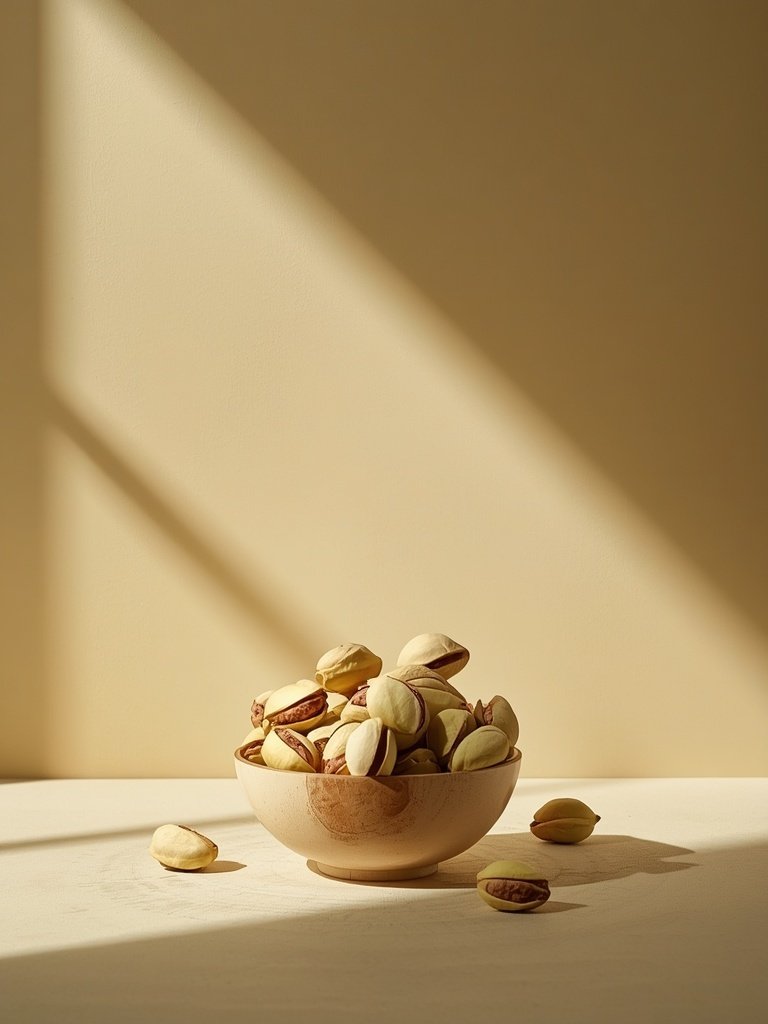
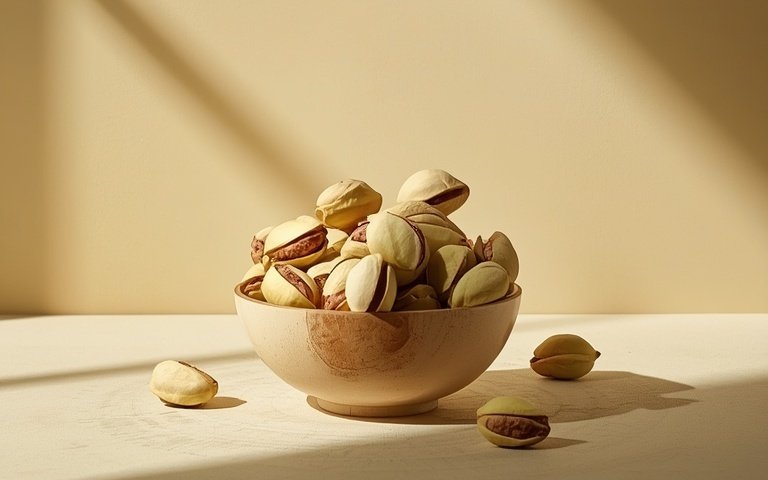
Table of Contents 3
Medical & Editorial Disclaimer (§3 Terms): This article is for informational and educational purposes only, does not constitute medical advice, diagnosis, or treatment, and is used at your own risk. Consult a qualified physician for medical conditions.
The physiological mechanisms detailed across the chapters reveal that the distinct pigments found in pistachios selectively accumulate within the ocular tissues, where they help filter high-energy light and neutralize oxidative stress. Furthermore, the beneficial unsaturated fatty acids and phytosterols contribute to maintaining healthy lipid profiles and supporting vascular function. The physical action of shelling the nuts naturally moderates eating speed, engaging sensory feedback loops that help regulate overall consumption during snacking.
Integrating pistachios into daily nutrition offers a practical way to harness plant-based proteins, dietary fibers, and essential micronutrients such as vitamin B and potassium. Enjoying them in their natural, raw, or dry-roasted form serves as an excellent culinary strategy to enhance satiety while supporting muscular and neurological health. By combining thoughtful portion awareness with wholesome dietary choices, individuals can easily incorporate these remarkable nuts into their routine wellness goals.
Pistachios (Pistacia vera) stand out among tree nuts for their superior protein-to-calorie ratio, remarkable concentrations of lutein and zeaxanthin, and abundant potassium and phytosterols. This comprehensive guide details their biochemical profile, cardioprotective and ocular benefits, and evidence-based integration into weight management diets.
Nutritional Profile and Caloric Efficiency of Pistachio Nuts
Pistachios are among the lowest-calorie tree nuts: a generous 30-gram serving (roughly 49 whole kernels) supplies approximately 160 kcal, 6 g of plant protein, 13 g of healthy lipids (principally monounsaturated oleic acid), and 3 g of dietary fiber. They are also packed with pyridoxine (vitamin B6, fulfilling over 20% of the RDA per serving), potassium, and bioavailable copper, supporting neurovascular and muscular health.
Ocular Protection: Lutein, Zeaxanthin, and Macular Health
The vibrant green and purple pigmentation of pistachios stems from concentrated carotenoids (lutein and zeaxanthin) and anthocyanins. Pistachios represent the sole tree nut containing clinically meaningful levels of these macular pigments. Lutein and zeaxanthin accumulate selectively in the retinal macula, filtering damaging high-energy blue wavelengths and quenching photo-oxidative stress to shield against age-related macular degeneration (AMD).
Lipid Modulation, Satiety Signaling, and Weight Management
Clinical trials confirm that consuming raw or dry-roasted in-shell pistachios significantly decreases serum total cholesterol, lowers atherogenic LDL-C, and enhances endothelial vasodilation. Intriguingly, the physical act of shelling pistachios slows eating velocity, while visual feedback from the discarded shells ('the pistachio effect') unconsciously curbs overall caloric intake by up to 40%, making them an optimal weight-loss snack.
Want to apply these guidelines in your daily diet?
Our smart diet generator creates a tailored meal plan in 3 minutes based on the recommendations in this article.
Tags

Sophia Williams
• 25.11.2026Diets Premium Expert
Diets Premium team expert. Specializes in nutrition plans, strength sports, and training plans.