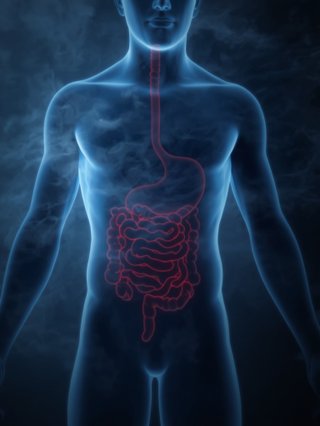
Mindful eating and food hygiene: How the way you eat meals affects digestion, satiety hormones, and well-being


Table of Contents 4
Medical & Editorial Disclaimer (§3 Terms): This article is for informational and educational purposes only, does not constitute medical advice, diagnosis, or treatment, and is used at your own risk. Consult a qualified physician for medical conditions.
The physiological mechanisms involved include thorough mastication, which optimizes the surface area of food particles for digestive enzymes and enhances the bioaccessibility of essential phytonutrients. Furthermore, the cephalic phase of digestion, triggered by the sensory anticipation of a meal, activates the vagus nerve to prepare the gastrointestinal tract for nutrient absorption. Conversely, rapid eating patterns bypass the critical time required for satiety peptides to signal fullness to the brain, often leading to unintentional overconsumption.
To cultivate healthier daily habits, it is beneficial to create a dining environment free from distractions such as digital screens. Practicing the technique of resting utensils between mouthfuls naturally slows the pace of consumption, allowing the body to register hunger and satiety cues more effectively. By focusing on the sensory nuances of each meal, individuals can support their digestive processes and improve their overall wellbeing through intentional and present-focused nourishment.
While clinical nutrition traditionally emphasizes calorie counts and macronutrient ratios, the physiological context of eating is equally paramount. Mindful eating, mastication velocity, chewing efficiency, and autonomic vagal activation directly orchestrate postprandial satiety hormone kinetics, glycemic excursions, and gastrointestinal nutrient absorption.
Cephalic Phase of Digestion and the Role of the Vagus Nerve in Meal Perception
Digestion does not begin in the stomach, but within the cerebral cortex. The visual appraisal, olfactory detection, and anticipation of food launch the cephalic phase of digestion.
- Vagal nerve transmission: Sensory cues stimulate the dorsal motor nucleus of the vagus nerve (parasympathetic branch), triggering salivary flow, gastric acid secretion, pepsinogen release, and pancreatic enzymes prior to swallowing.
- Cephalic Phase Insulin Response (CPIR): A pre-absorptive neurogenic insulin pulse prepares hepatic and peripheral insulin receptors for glucose entry, dampening postprandial glucose excursions.
- Distraction and digestive blunting: Dining while distracted by smartphone or television screens attenuates cephalic vagal output, precipitating incomplete enzymatic digestion, gas, and epigastric fullness.
Sensory engagement primes the gastrointestinal system for optimal metabolic handling.
Thorough Chewing (Mastication), Nutrient Absorption, and Satiety
Mechanical food breakdown within the oral cavity (mastication) represents an essential, frequently compromised digestive stage.
- Surface area optimization: Reducing food particle dimensions below 1–2 mm exponentially expands surface area exposure for salivary amylase, lingual lipase, and gastric pepsin, forestalling colonic putrefaction and fermentation.
- Phytonutrient bioaccessibility: Vigorous chewing fractures dense plant cellulose cell walls, liberating trapped carotenoids, polyphenols, and micronutrients.
- Oral mechanoreceptor signaling: Sustained sensory feedback from the tongue and masticatory muscles transmits afferent signals to hypothalamic satiety circuits, promoting early fullness.
Chewing solid mouthfuls 20 to 30 times before deglutition transforms digestive tolerance and metabolic efficiency.
Impact of Eating Pace on Satiety Hormones (Leptin, Ghrelin, GLP-1) and Postprandial Glycemia
Epidemiological and clinical trials unequivocally demonstrate that rapid eaters carry more than double the risk of obesity and metabolic syndrome.
- The 20-minute neuroendocrine lag: Incretin and satiety peptides from the distal gut (cholecystokinin – CCK, glucagon-like peptide-1 – GLP-1, peptide YY – PYY) require 15 to 20 minutes to reach peak hypothalamic signaling. Eating in 5 minutes bypasses this biological circuit, driving caloric overconsumption.
- Suppression of circulating ghrelin: Prolonged meal pacing induces deeper, more sustained postprandial reductions in orexigenic ghrelin.
- Glycemic and insulinemic stabilization: Modulated gastric emptying moderates the rate of glucose entry into portal circulation, preventing reactive postprandial hypoglycemia and energy crashes.
Extending main meal duration to at least 20 minutes represents a premier behavioral obesity intervention.
Practical Habits of Mindful Eating in Reducing Stress and Overeating
Cultivating mindful eating habits does not require restrictive dieting, but an intentional recalibration of meal architecture.
- Screen-free dining: Stowing smartphones and shutting off televisions creates space for sensory processing of aromatic and gustatory nuances.
- Utensil resting technique: Placing utensils down between individual mouthfuls and retrieving them only after swallowing automatically down-regulates eating tempo.
- Hunger-satiety rating scale (1–10): Initiating meals at mild hunger (level 3–4) and concluding at comfortable satiety (level 7, adhering to the traditional Okinawan hara hachi bu rule—80% full).
- Sensory appreciation: Attending to temperature, textural crunch, and aroma profile elevates hedonic satisfaction from moderate portion volumes.
These behavioral practices sustainably heal human relationships with food while enhancing digestive vitality.
Want to apply these guidelines in your daily diet?
Our smart diet generator creates a tailored meal plan in 3 minutes based on the recommendations in this article.
Tags

Olivia Davis
• 25.11.2026Diets Premium Expert
Diets Premium team expert. Specializes in nutrition plans, strength sports, and training plans.