Maltodextrin – properties, application, glycemic index and effect on the body
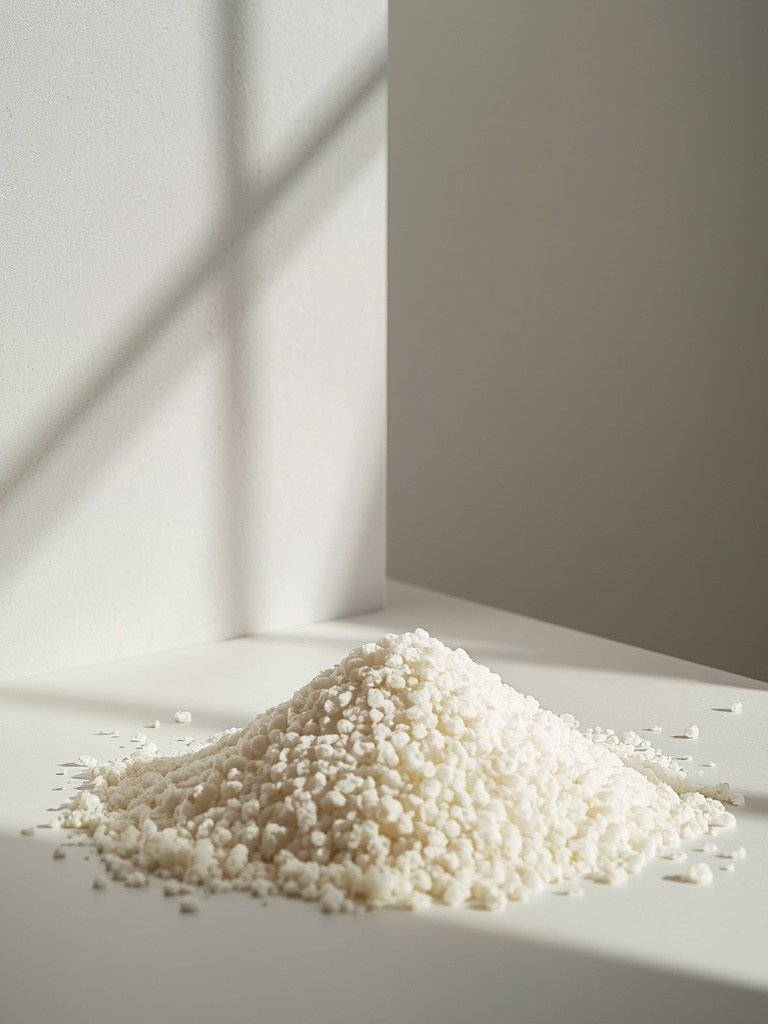
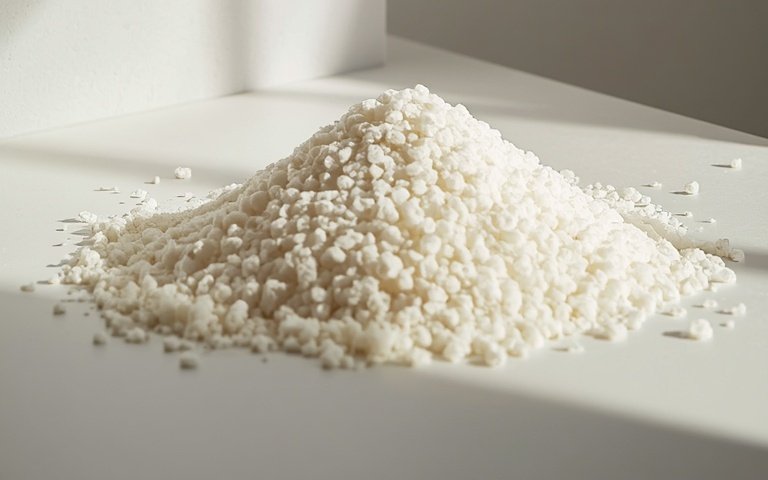
Table of Contents 4
Medical & Editorial Disclaimer (§3 Terms): This article is for informational and educational purposes only, does not constitute medical advice, diagnosis, or treatment, and is used at your own risk. Consult a qualified physician for medical conditions.
The article elucidates how maltodextrin is produced through the partial enzymatic hydrolysis of starches and the significance of its dextrose equivalent (DE) rating in its classification. It details its unique capacity for rapid glycogen replenishment in high-performance athletics, making it a preferred substrate for athletes. Furthermore, it describes its versatile technological functions in food, such as a carrier or bulking agent, and its potential influence on gut microbiome architecture and glycemic regulation.
Practically, this implies that individuals needing to manage their blood sugar, such as those with diabetes or insulin resistance, should carefully consider their consumption of products rich in maltodextrin. Conversely, athletes can strategically use maltodextrin for swift energy delivery and recovery after intense physical exertion. A mindful approach to this ingredient enables individuals to harness its benefits while mitigating potential drawbacks, thereby supporting a balanced and health-promoting diet.
What is Maltodextrin and How is it Produced?
Maltodextrin is an oligosaccharide polymer composed of D-glucose units linked primarily via alpha-(1,4)-glycosidic bonds, typically ranging in chain length from 3 to 19 units:
- Raw materials and extraction – manufactured via controlled partial enzymatic hydrolysis (employing bacterial alpha-amylase) or mild acid treatment of natural starches (corn, wheat, potato, tapioca, or rice). The hydrolyzed liquid is subsequently purified, concentrated, and spray-dried into a fine, white powder.
- Dextrose Equivalent (DE) metric – the defining analytical standard reflecting the degree of starch depolymerization. By international regulatory definition, maltodextrin exhibits a DE between 3 and 20 (hydrolysates exceeding DE 20 are legally classified as glucose syrups).
- Physical properties – highly hygroscopic powder dissolving completely in aqueous media without turbidity; presents a virtually neutral taste with subtle sweetness correlating with DE rating.
Glycemic Index and Application in Sports Performance
The unique metabolic kinematics of maltodextrin underpin its dominance across performance athletic fueling:
- Super-high Glycemic Index (GI 105–110) – maltodextrin elevates systemic blood glucose even faster than pure dextrose (GI 100) or table sugar (GI 65), as mucosal maltase rapidly cleaves alpha-bonds along the polymer chain.
- Hypotonicity and low osmolarity – the paramount advantage in isotonic sports beverages and recovery carbo shakes. Supplying substantial carbohydrate grams at a low particle count ensures rapid gastric emptying without provoking gastrointestinal distress, bloating, or osmotic fluid shifts during endurance competition.
- Rapid post-exercise glycogen repletion – co-ingestion of maltodextrin with whey protein hydrolysate immediately following strenuous training induces robust insulinemia, driving intracellular amino acid influx and accelerating muscle glycogen resynthesis.
Functional Industrial Applications in Food Science
Maltodextrin performs versatile functional roles across modern food manufacturing:
- Spray-drying carrier – acts as an exceptional carrier matrix for microencapsulating volatile flavorings, powdered seasonings, instant soups, and fat-soluble vitamins.
- Bulking agent and mouthfeel enhancer – imparts body, creaminess, and stabilization to processed sauces, dressings, confectionery coatings, and ice creams.
- Fat-mimetic in reduced-calorie items – low-DE maltodextrin hydrogels replicate the lubricating sensory mouthfeel of lipids, enabling fat reduction in light spreads and mayonnaise.
- Infant formula carbohydrate vector – widely integrated into infant formulas providing gentle, non-sweet complex carbohydrates that digest smoothly without taxing developing gastrointestinal physiology.
Health Implications, Glycemic Control, and Microbiome Interactions
Notwithstanding its Generally Recognized As Safe (GRAS) status, dietary maltodextrin warrants targeted nutritional caution:
- Contraindication in dysglycemia – boasting a GI exceeding 100, maltodextrin induces rapid glycemic and insulinemic spikes. Individuals with type 2 diabetes, metabolic syndrome, and insulin resistance must restrict processed items laden with hidden maltodextrin.
- Microbiome and mucosal barrier dynamics – emergent biomedical research indicates that excessive chronic ingestion may alter intestinal microbial architecture, impairing antibacterial defenses and facilitating Escherichia coli biofilm adhesion within intestinal mucus layers.
- Devoid of micronutrients – supplies isolated energetic substrate (4 kcal/g) without co-occurring vitamins, minerals, or protective fibers.
- Clinical takeaway – an outstanding performance tool for endurance athletes during competition, but sedentary consumers should minimize exposure by auditing processed food packaging labels.
Want to apply these guidelines in your daily diet?
Our smart diet generator creates a tailored meal plan in 3 minutes based on the recommendations in this article.

Isabella Taylor
• 23.10.2026Diets Premium Expert
Diets Premium team expert. Specializes in nutrition plans, strength sports, and training plans.