Leek in the Daily Diet: Nutritional Values, Calories, and Culinary Inspiration


Table of Contents 3
Medical & Editorial Disclaimer (§3 Terms): This article is for informational and educational purposes only, does not constitute medical advice, diagnosis, or treatment, and is used at your own risk. Consult a qualified physician for medical conditions.
Physiologically, leeks provide a rich supply of dietary fiber, including pectins and prebiotic inulin, which actively nourish the beneficial gut microbiota and assist in regular bowel motility. Compounds such as allicin contribute to natural antimicrobial and cleansing properties, offering support during throat or gastrointestinal discomfort. Additionally, the unique nutrient structure of leeks helps reinforce the body's immune defenses and promotes the healthy function of the urinary tract.
Culinary applications for leeks are remarkably diverse, spanning from raw components in fresh dishes to simmered bases for soups, sauces, and vegetable sautés. Thanks to their low energy density and minimal glycemic impact, leeks serve as an ideal staple for weight-conscious eating patterns. Consuming them regularly is a practical strategy for adding complex plant compounds and digestive support to a balanced, health-focused lifestyle.
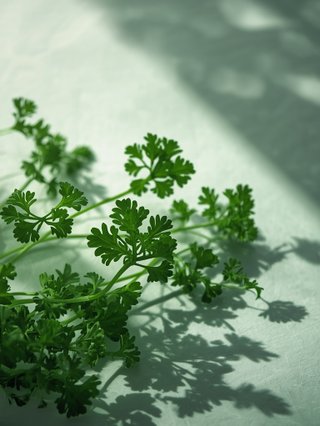
The leek (Allium porrum) belongs to the amaryllis family (Amaryllidaceae), closely related to garlic, onions, and chives. Its edible parts include a tender, elongated bulb with smooth contours and flat, ribbon-like leaves, while the stem forms the so-called “heel”—a shortened, thickened section. Leeks are renowned for their robust, slightly pungent flavor and aromatic profile, which can evoke strong reactions—from enthusiastic appreciation to outright aversion. Historically, they played a crucial role in European cuisine and herbal medicine, yet their nutritional value remains undervalued in modern diets.
Nutritional Profile of Leeks: Vitamins, Allicin, and Minerals
It is recommended for people with constipation because of its high levels of dietary fiber and pectin and in diseases of the urinary system because it is disinfectant and antimicrobial. Like onions, it is recommended in conditions of cold, when the stomach and throat are inflamed. Due to its low levels of phosphorus, it strengthens the body's immune system and helps the body build up more resistant to diseases.
Caloric Content, Carbohydrates, and Dietary Fiber in Leeks
Leek (Allium porrum) is an exceptionally low-calorie vegetable, making it an ideal component of weight-management and low-glycemic-load diets. A 100 g serving of fresh leek provides only about 24–29 kcal, 2.2 g of plant protein, less than 0.3 g of fat, and approximately 3–5 g of net carbohydrates alongside 2.7 g of dietary fiber, including valuable prebiotic inulin and fructans that nourish beneficial gut microbiota.
Culinary Uses of Leeks: Warm and Cold Dishes
Porridge is an aromatic vegetable with a sharp flavor that is a staple of the Italian diet. It can be cooked, fried or choked. It adds flavor to meals, flavour to meat or vegetable juices. Porridge can also be used to make sauces, porridge meats or pasta pancakes.
Want to apply these guidelines in your daily diet?
Our smart diet generator creates a tailored meal plan in 3 minutes based on the recommendations in this article.

Anna Schmidt
• 23.10.2026Diets Premium Expert
Diets Premium team expert. Specializes in nutrition plans, strength sports, and training plans.