Isotonic drinks – key information and application in sports
Table of Contents 4
Medical & Editorial Disclaimer (§3 Terms): This article is for informational and educational purposes only, does not constitute medical advice, diagnosis, or treatment, and is used at your own risk. Consult a qualified physician for medical conditions.
The underlying physiology relies on matching the natural osmolality of human plasma, which allows concurrent sodium and carbohydrate molecules to drive rapid fluid absorption across the intestinal lining efficiently. However, commercial bottled sports drinks frequently incorporate synthetic additives, artificial colorings, and refined sugars that may prove counterproductive for frequent consumers or younger athletes. Distinguishing between genuine physiological needs and marketing claims ensures that hydration practices remain safe, healthful, and aligned with individual physical demands.
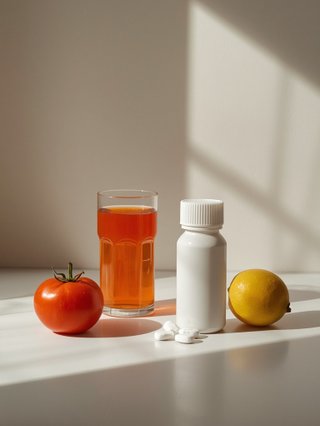
To optimize daily health and athletic conditioning, active individuals can benefit from preparing natural homemade isotonic beverages using fresh fruit juices, high-quality mineral water, raw honey, and a pinch of sea salt. This approach guarantees superior nutritional cleanliness, avoids unnecessary chemicals, and provides balanced electrolytes at a minimal cost. Incorporating such thoughtful hydration strategies into demanding routines supports overall vitality, endurance, and post-exercise recovery without compromising long-term wellness.
Isotonic beverages represent a critical component of the nutritional strategy for many physically active individuals, particularly those engaged in endurance sports or subjected to high-intensity training regimens. Their distinctive formulation of electrolytes and carbohydrates is meticulously designed to facilitate optimal hydration while rapidly replenishing energy reserves depleted during exertion. To fully harness the potential of these specialized fluids, it is essential to explore their operational mechanisms, nutritional composition, and the rationale behind incorporating them into an athlete’s daily diet—whether at the amateur or professional level.
Osmolality fundamentals and physiology of isotonic sports hydration
An isotonic beverage exhibits an osmolality matching human physiological plasma (270–330 mOsm/kg H2O). Formulated with a 4–8% carbohydrate concentration (40–80 g/L) alongside key electrolytes—principally sodium (460–1150 mg/L) and potassium—it optimizes rehydration kinetics.
By engaging sodium-glucose cotransporters (SGLT1) across the intestinal brush border, the concurrent presence of sodium and hexose drives rapid osmotic fluid transit into the vascular compartment far exceeding plain water clearance.
Clinical indications: when to deploy isotonic drinks over plain water
For recreational exercise bouts under 60 minutes in temperate climates, plain water is fully adequate. Isotonic formulas are strictly indicated under specific high-demand contexts:
- Endurance activities exceeding 60–90 minutes in duration (marathons, road cycling, intermittent team sports).
- Training under elevated thermal stress (> 25°C) and high humidity, where sweat rates reach 1–2 liters per hour.
- Prevention of exercise-associated hyponatremia (EAH), a life-threatening electrolyte dilution caused by consuming massive volumes of plain hypotonic water without sodium.
Safety of commercial isotonic drinks in pediatric and adolescent athletes
Commercial bottled sports drinks frequently incorporate synthetic azo dyes (Brilliant Blue, Allura Red), artificial acidity regulators, and unnecessary refined sucrose. In non-elite pediatric athletes, habitual intake fosters dental erosion and surplus caloric gain.
For active youth, hydration should rely on mineralized spring water or natural homemade fruit-water blends containing micro-quantities of table salt.
Evidence-based formulation for natural homemade isotonic drink
Homemade isotonic sports drinks provide superior nutritional cleanliness and cost-efficiency. Optimal protocol for 1 liter:
- 800 mL fresh spring or mineral water,
- 200 mL freshly squeezed orange or pink grapefruit juice (supplying potassium and hexoses),
- 2 tablespoons pure raw honey (providing 30–40 g glucose/fructose fuel),
- 1 g fine sea salt (approx. 1/4 teaspoon, yielding ~400 mg sodium),
- Optional: muddled fresh mint leaves or ginger root for anti-nausea gastroprotection.
Want to apply these guidelines in your daily diet?
Our smart diet generator creates a tailored meal plan in 3 minutes based on the recommendations in this article.
Tags

mgr Szwedziak K. i wsp., „Napoje izotoniczne w diecie sportowców.”, POSTĘPY TECHNIKI PRZETWÓRSTWA SPOŻYWCZEGO 1/2015 Tomczyk M. i wsp., „Ocena jakości napojów izotonicznych przygotowanych samodzielnie na bazie naturalnych składników.”, MEDSPORTPRESS, 2019; 3(4); Vol. 35, 169-177
Diets Premium Expert
Diets Premium team expert. Specializes in nutrition plans, strength sports, and training plans.