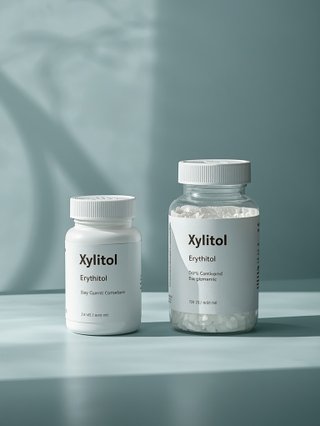
Can xylitol be a carcinogen? Potential risks associated with this sweetener


Table of Contents 3
Medical & Editorial Disclaimer (§3 Terms): This article is for informational and educational purposes only, does not constitute medical advice, diagnosis, or treatment, and is used at your own risk. Consult a qualified physician for medical conditions.
Biochemically, xylitol is classified as a polyol, which the body processes more gradually than standard sucrose. While it is generally well-tolerated, individuals with sensitive digestive systems may experience gastrointestinal discomfort if consumed in excess. Regarding concerns about safety, current scientific literature does not support the claim that xylitol acts as a carcinogen. In fact, some research has explored its potential in inhibiting certain cellular proliferation processes, suggesting that it may be a suitable sugar substitute even for those navigating complex health conditions.
For practical daily application, moderation remains the most effective strategy. Xylitol should be treated as an occasional supplement rather than a primary food source within a balanced diet. Those with pre-existing digestive sensitivities should monitor their personal tolerance levels closely. Ultimately, maintaining a diverse and nutrient-dense diet is the best approach to long-term wellness, ensuring that sweeteners serve only as a minor component of one's overall nutritional strategy.
Xylitol
The harm of xylitol
Is xylitol carcinogenic?
Want to apply these guidelines in your daily diet?
Our smart diet generator creates a tailored meal plan in 3 minutes based on the recommendations in this article.

Kacper Nowak
• 24.09.2026Diets Premium Expert
Diets Premium team expert. Specializes in nutrition plans, strength sports, and training plans.