Healthy eating for busy people – simple shopping, ready-made solutions, and meal prep in 15 minutes


Table of Contents 4
Medical & Editorial Disclaimer (§3 Terms): This article is for informational and educational purposes only, does not constitute medical advice, diagnosis, or treatment, and is used at your own risk. Consult a qualified physician for medical conditions.
From a physiological and neurobehavioral standpoint, cognitive state during grocery acquisition directly influences nutritional choices. Entering a supermarket while fatigued or experiencing low blood sugar impairs impulse inhibition, priming the brain's reward centers to favor calorie-dense, ultra-processed convenience foods. Furthermore, replacing tedious macronutrient tracking with a balanced visual plate structure—filling half the plate with colorful vegetables alongside a dedicated portion of lean protein such as eggs, pan-seared salmon, tofu, or cottage cheese, and complex carbohydrates like quinoa, sweet potatoes, or whole rye bread—supports a steady glycemic response. Finishing meals with quality lipids from extra virgin olive oil or seeds contributes to lasting satiety and helps prevent energy fluctuations throughout a busy day.
To apply these principles effortlessly, busy individuals can rely on wholesome supermarket conveniences that compress preparation time without compromising nutritional integrity, including plain frozen spinach and broccoli, pre-washed salad mixes, canned legumes like chickpeas, lentils, and black beans, microwaveable whole grain pouches, and canned wild salmon or sardines. Dedicating a single session to batch cooking versatile building blocks—such as simmering a pot of brown basmati rice or farro while simultaneously roasting sheet pans of seasonal vegetables and preparing lean proteins—provides ready-to-use components that can be stored in airtight glass containers and combined into diverse bowls, wraps, and salads all week. Coupled with the habit of never shopping hungry, following a categorized grocery list, and focusing on the fresh outer perimeter of the store, this system makes wholesome eating sustainable even under tight time constraints.
The single most pervasive barrier cited against maintaining a healthy diet is the misconception that it demands laborious grocery shopping and exhaustive hours in the kitchen. In biological reality, optimal nutrition requires neither culinary complexity nor endless preparation; success hinges entirely upon strategic supermarket purchasing and assembling nutrient-dense whole-food staples. This pragmatic guide dismantles the friction of healthy eating for time-constrained professionals, providing supermarket navigation frameworks, 15-minute meal formulas, and batch-cooking blueprints.
Supermarket Navigation: Nutrient-Dense Convenience Foods
Modern grocers offer an abundance of whole foods that dramatically compress culinary prep times without nutritional compromise. Non-negotiable staples include: plain frozen vegetables (chopped spinach, broccoli florets, stir-fry medleys devoid of added sodium sauces), canned organic legumes (chickpeas, lentils, black beans), pre-washed bagged salad mixes, microwaveable pouch whole grains (brown rice, quinoa), and canned wild fish (sardines, salmon). These nutrient-dense staples require merely assembly rather than laborious cooking.
The 15-Minute Balanced Plate Architecture
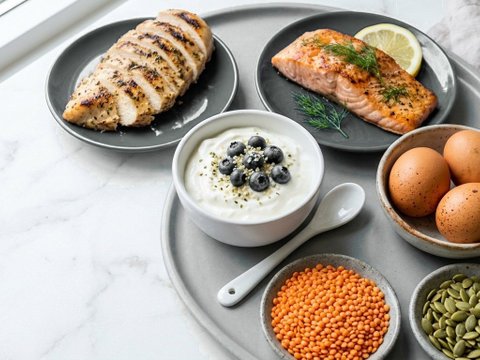
Eliminating friction requires bypassing complex macro-counting in favor of the visual plate method: 50 percent of the plate is filled with colorful vegetables (raw, steamed, or stir-fried), 25 percent is allocated to a lean protein anchor (eggs, pan-seared salmon, tofu, cottage cheese), and 25 percent houses complex carbohydrates (quinoa, sweet potatoes, whole rye bread). Finishing with a tablespoon of extra virgin olive oil or seeds ensures lipid satiety, stabilizing glycemic response and keeping hunger at bay for 4 to 5 hours.
Batch Cooking Mastery: Cook Once, Eat Clean All Week
Batch cooking represents the ultimate leverage strategy for demanding schedules: dedicating 45 minutes on Sunday to prepare versatile core food building blocks. Concurrently simmer a large pot of whole grains (brown basmati rice or farro), roast two sheet pans of seasoned seasonal vegetables, and batch-prepare lean proteins (baked chicken tenders, lentils). Stored in airtight glass containers, these prefabricated components can be dynamically hybridized into distinct bowls, salads, and wraps throughout the workweek.
The Psychology of Grocery Acquisition: Neutralizing Impulse Buying
Navigating the supermarket while fatigued or hypoglycemic is disastrous: cognitive impulse inhibition plummets, priming the brain's ventral striatum to prioritize calorie-dense junk foods. An unyielding rule is never entering a market hungry, always equipped with a pre-categorized grocery inventory. Sticking to the outer perimeter of the supermarket—where living, perishable foods (produce, chilled dairy, fresh fish) reside—while actively bypassing central aisles of packaged confectionery establishes an environment pre-committed to metabolic success.
Want to apply these guidelines in your daily diet?
Our smart diet generator creates a tailored meal plan in 3 minutes based on the recommendations in this article.
Tags

Olivia Davis
• 25.11.2026Diets Premium Expert
Diets Premium team expert. Specializes in nutrition plans, strength sports, and training plans.