The Body's Movement Patterns
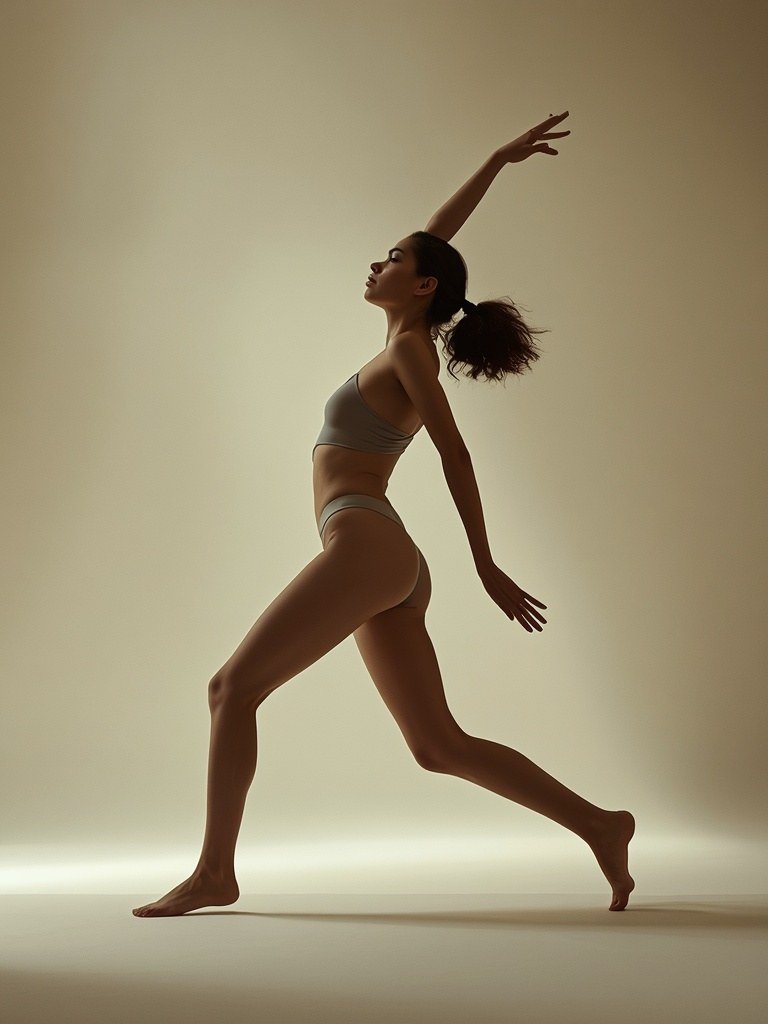
Table of Contents 18
Medical & Editorial Disclaimer (§3 Terms): This article is for informational and educational purposes only, does not constitute medical advice, diagnosis, or treatment, and is used at your own risk. Consult a qualified physician for medical conditions.
The various movement categories encompass upper-body pushing and pulling motions as well as complex lower-body sequences such as squats, lunges, and the hip hinge. While pushing movements strengthen the chest and shoulders, pulling patterns focus on stabilizing the back. The hip hinge and squat are crucial for generating power from the lower limbs, whereas rotational movements and loaded carries challenge dynamic stability and deep core musculature. These mechanisms work synergistically to stabilize joints and maximize biomechanical efficiency.
For sustainable health improvement, it is advisable to begin with simple variations and increase complexity only once mastery is achieved. Integrating unilateral exercises and rotational patterns improves balance and coordination in everyday life. Consciously carrying loads further strengthens functional strength, which is indispensable for overall resilience. By steadily refining these patterns, one not only enhances athletic form but also makes a significant contribution to preventing everyday physical discomfort.
This article is professional premium content (PRO) provided in its entirety.
Seven foundational kinetic templates underlying routine physical activities
Squat – a foundational movement pattern in sports and physical activity
Pressing Motion – Upper-Body Movement Pattern
Pulling Motion (Upper-Body Movement Pattern)
Hip flexion hinge: biomechanical movement pattern of the hip joint
Single-Leg Lunge (Unilateral Movement Pattern)
Dynamic Twist: Rotational Movement Pattern in Athletic Training
Weighted gait – the foundational locomotion and core stabilization movement pattern
Why mastering fundamental movement patterns is the cornerstone of long-term success in strength training
What is the most effective approach to mastering movement patterns and determining their practical application?
A structured framework for advancing movement patterns: Progressing from foundational exercises to advanced movement variations
The squat exercise: mastering variations from TRX to Olympic barbell techniques
Comprehensive guide to the "hip hinge" movement: biomechanics, exercise variations, and strength training applications
Pull exercises – upper-body resistance training: horizontal and vertical pulling movements
Push Movement Patterns – Horizontal and Vertical Variations for the Upper Body
The push pattern targets the pectoralis major, anterior deltoids, and triceps brachii. These movements are categorized into horizontal pushing (pressing away from the torso) and vertical pushing (overhead pressing). Key progressive variations include:
- Horizontal pushing (push-up progressions): hands-elevated push-ups, kneeling push-ups, standard push-ups, and feet-elevated push-ups.
- Horizontal free-weight pressing: flat dumbbell bench press and traditional barbell bench press.
- Suspension and dip pushing: parallel bar dips targeting upper-body pressing power.
- Vertical pushing (overhead pressing): single-arm seated or standing dumbbell overhead press, bilateral dumbbell overhead press, and standing barbell overhead press (military press).
The lunge exercise: a comprehensive breakdown of movement patterns and their variations
Twist – rotational and twisting motions: foundational movement patterns in functional training
Loaded ambulation techniques: a comprehensive examination of gait and weight-carrying patterns
Want to apply these guidelines in your daily diet?
Our smart diet generator creates a tailored meal plan in 3 minutes based on the recommendations in this article.
Tags

mgr Felix Weber
• 25.09.2026Diets Premium Expert
Diets Premium team expert. Specializes in nutrition plans, strength sports, and training plans.