Borage oil – a scientific analysis of its role in acne therapy, fertility support, and potential side effects. Is there evidence of its influence on the body's hormonal balance?
Table of Contents 6
Medical & Editorial Disclaimer (§3 Terms): This article is for informational and educational purposes only, does not constitute medical advice, diagnosis, or treatment, and is used at your own risk. Consult a qualified physician for medical conditions.
The oil does not directly contain steroid hormones but significantly impacts the endocrine milieu by modulating prostaglandin biosynthesis. GLA is elongated into dihomo-gamma-linolenic acid (DGLA), which competitively inhibits inflammatory arachidonic acid pathways, generating anti-inflammatory series-one prostaglandins. This metabolic pathway explains its therapeutic efficacy in reducing cyclic mastalgia and mitigating psychological and physical symptoms of premenstrual syndrome. In dermatological contexts, GLA reinforces the epidermal lipid barrier, preventing transepidermal water loss and restoring physiological hydration, beneficial for acne and atopic dermatitis. For female reproductive health, adequate GLA intake supports the synthesis of fertile cervical fluid.
While generally recognized as safe and well-tolerated at typical supplemental dosages, mild side effects such as transient gastrointestinal symptoms or headaches may occur. Crucially, caution is advised for individuals taking anticoagulant or antiplatelet medications, as high-dose GLA can mildly prolong bleeding time. During pregnancy, its use should be strictly supervised by an obstetrician. Prior to integrating evening primrose oil into any supplementary regimen, a meticulous, evidence-based evaluation of existing scientific literature and consultation with a healthcare professional is imperative to ensure safety and appropriateness.
Derived from the seeds of the evening primrose plant (Oenothera biennis), this botanical oil has been employed for decades across diverse domains of natural medicine—ranging from the alleviation of dermatological conditions such as rosacea and atopic dermatitis to the mitigation of chronic physical and mental fatigue syndromes. Its distinctive biochemical composition, abundant in gamma-linolenic acid (GLA) and other essential polyunsaturated fatty acids, theoretically positions it as a potential modulator of various physiological pathways. However, despite promising anecdotal reports and its longstanding use in folk medicine, many of its attributed therapeutic benefits lack definitive validation through rigorous clinical trials. This discrepancy underscores the imperative for a meticulous, evidence-based evaluation of existing scientific literature prior to considering its integration into supplementary regimens.
Evening primrose – origin and botanical characteristics
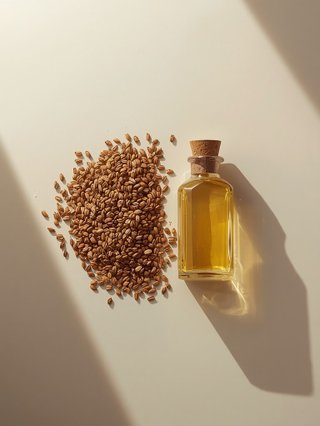
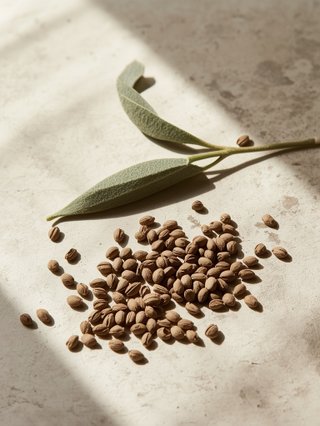
Evening primrose (Oenothera biennis) is a biennial plant native to North America, currently cultivated widely throughout Europe and Asia. For centuries, Native American communities utilized its leaves and roots for poultices and wound healing. In modern phytotherapy, the primary therapeutic value lies in the oil extracted from its mature seeds. Evening primrose oil (EPO) is exceptionally rich in essential polyunsaturated fatty acids, particularly linoleic acid (LA) and gamma-linolenic acid (GLA), which play foundational roles in cellular membrane integrity and systemic eicosanoid metabolism.
Evening primrose oil for acne and dermatological health
Evening primrose oil is widely recommended in dermatological protocols for inflammatory skin conditions, including acne vulgaris, atopic dermatitis, and xerosis. Gamma-linolenic acid (GLA) reinforces the epidermal stratum corneum lipid barrier, preventing transepidermal water loss (TEWL) and restoring physiological hydration. In acne pathogenesis, sebum often exhibits an altered lipid profile characterized by linoleic acid deficiency. Topical and oral supplementation with cold-pressed evening primrose oil modulates sebaceous gland secretion, reduces hyperkeratinization of follicular ducts, and downregulates inflammatory prostaglandins, promoting clearer and more resilient skin.
Evening primrose oil and reproductive health
Evening primrose oil (EPO) has gained considerable clinical and traditional interest regarding female reproductive health. Its primary active agent, gamma-linolenic acid (GLA), serves as a direct precursor to prostaglandin E1 (PGE1), an eicosanoid responsible for modulating vascular permeability, glandular secretion, and pelvic microcirculation.
In the follicular phase of the menstrual cycle, adequate GLA intake supports cervical epithelial glands in synthesizing fertile, alkaline 'egg-white' cervical mucus. This specific quality of mucus is vital for prolonging sperm survival and facilitating sperm motility through the cervix toward the ovum. Consequently, phytotherapists frequently recommend EPO from the first day of menstruation until ovulation.
However, once ovulation has occurred, discontinuation is strictly advised. Prostaglandins triggered by GLA can induce mild uterine contractions, which during the luteal phase could theoretically interfere with blastocyst implantation. Clinical evidence underscores that while EPO optimizes pre-ovulatory reproductive environments, it must be timed strictly within the follicular window.
Evening primrose oil and pregnancy precautions
Despite its reputation for cervical ripening in late pregnancy, evening primrose oil should be used with extreme caution or avoided during pregnancy unless explicitly supervised by an obstetrician. Clinical studies have revealed conflicting data regarding its safety when ingested or administered vaginally near term. Some observations have linked unmonitored late-term use with prolonged active labor phases, premature rupture of membranes, and increased risks of postpartum bleeding due to prostaglandin-mediated uterine stimulation. Consequently, evidence-based obstetrics advises against unverified self-supplementation throughout gestation.
Hormonal regulation and evening primrose oil
Evening primrose oil does not directly contain steroid hormones, yet it substantially impacts the endocrine milieu by modulating prostaglandin biosynthesis. GLA is elongated into dihomo-gamma-linolenic acid (DGLA), which competitively inhibits inflammatory arachidonic acid pathways, generating anti-inflammatory series-1 prostaglandins (PGE1). This metabolic pathway explains its therapeutic efficacy in reducing cyclic mastalgia (breast pain) and mitigating psychological and physical symptoms of premenstrual syndrome (PMS) and menopausal hot flashes when administered at standardized doses of 500–1000 mg twice daily.
Potential side effects and drug interactions
Evening primrose oil is widely recognized as safe and well-tolerated at typical supplemental dosages. Mild side effects reported in clinical trials include transient gastrointestinal symptoms such as nausea, soft stools, or mild abdominal discomfort, as well as occasional headaches. Importantly, caution is mandated for individuals taking anticoagulant or antiplatelet medications (such as warfarin or aspirin), as high-dose GLA can mildly prolong bleeding time. Furthermore, individuals diagnosed with epilepsy or schizophrenia taking phenothiazine neuroleptics should avoid high-dose evening primrose oil due to potential threshold-lowering interactions.
Want to apply these guidelines in your daily diet?
Our smart diet generator creates a tailored meal plan in 3 minutes based on the recommendations in this article.
Tags

Alicja Kowalska
• 25.11.2026Diets Premium Expert
Diets Premium team expert. Specializes in nutrition plans, strength sports, and training plans.