Detoxifying the body using Vitamin E


Table of Contents 4
Medical & Editorial Disclaimer (§3 Terms): This article is for informational and educational purposes only, does not constitute medical advice, diagnosis, or treatment, and is used at your own risk. Consult a qualified physician for medical conditions.
At the core of its physiological function, vitamin E acts as a primary antioxidant within the human body, helping to safeguard cells against oxidative stress and damage associated with free radical activity. By exhibiting oxygen-binding properties, it helps inhibit the formation of reactive molecules and provides vital protection for fatty acids within cellular structures. Adequate intake is particularly relevant for older adults looking to support cognitive efficiency and healthy aging processes, as well as physically active individuals seeking favorable cellular respiration conditions for muscle work and recovery.
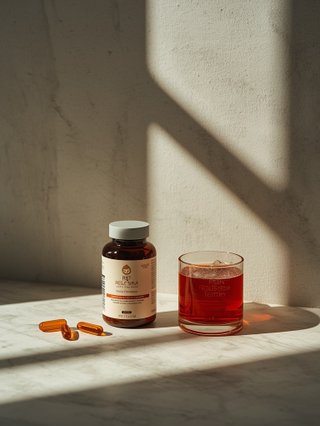
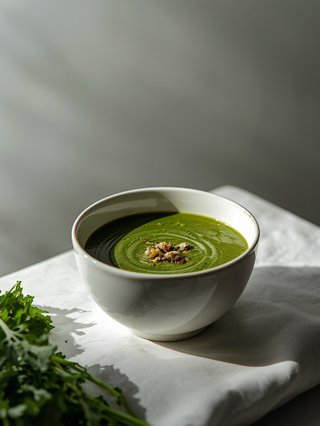
To incorporate sufficient vitamin E into daily nutrition, individuals can focus on whole food sources such as vegetable oils, fish liver oil, walnuts, almonds, and eggs. Adding black currants, white cabbage, and green plants like broccoli, parsley, and spinach further enriches the diet with these protective compounds. When considering supplementation, selecting products containing alpha-tocopherol and aligning intake with dietary fatty acid consumption and individual life stages ensures a balanced, thoughtful approach to daily wellness.
What is the substance known as Vitamin E?
Who can benefit from vitamin E?
Functionality and characteristics of Vitamin E
Supplementation Techniques
Want to apply these guidelines in your daily diet?
Our smart diet generator creates a tailored meal plan in 3 minutes based on the recommendations in this article.

mgr Max Müller
Diets Premium Expert
Diets Premium team expert. Specializes in nutrition plans, strength sports, and training plans.