Key Takeaways
The visual appearance of food is the primary factor that captures human attention, serving as a vital indicator of freshness and anticipated flavor. Colorants play a transformative role in food production, bridging the gap between sensory appeal and consumer behavior. Understanding the distinction between natural pigments and synthetic dyes is crucial for navigating the complexities of modern nutrition and maintaining a balanced lifestyle.
Physiologically, natural dyes derived from botanical sources provide more than just aesthetic value, as they often possess antioxidant properties that help protect vitamins and cellular structures from oxidative damage. Conversely, synthetic organic colorants are engineered for high chromatic stability and cost-effectiveness, ensuring consistent visual results in confectionery and processed beverages. While these laboratory-produced substances meet regulatory safety standards, their function is purely decorative, aimed at restoring or enhancing the vibrant hues lost during industrial processing.
To optimize long-term health, consumers should prioritize whole foods and products that utilize plant-based coloring agents. Practical mindfulness involves scrutinizing ingredient lists for natural extracts rather than artificial pigments, especially in snacks and flavored drinks. By favoring naturally derived colors, individuals can enjoy visually appealing meals while potentially benefiting from the protective biological compounds inherent in plant pigments.
The color of a product is the first aspect that captures our attention, it is a measure of its freshness, suggests its taste, and stimulates purchasing. The colorants present in food are classified as natural and synthetic.
02 / 04
Natural food dyes
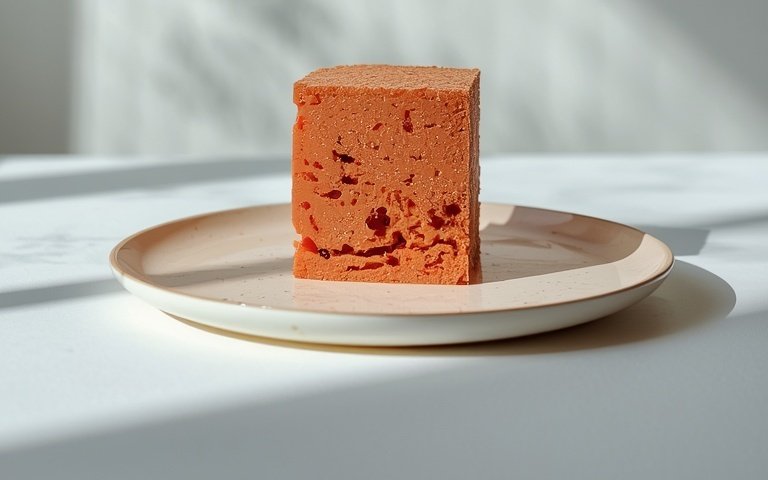
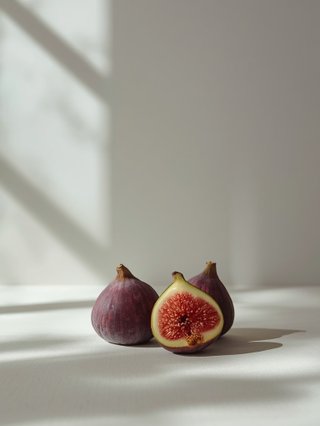
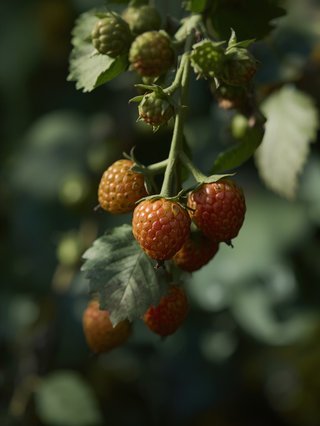
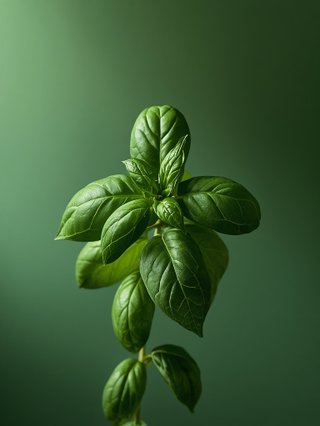
Natural colorants are a group of chemical compounds produced from natural ingredients. Their use is beneficial because their organic origin is one of the biggest advantages of using this type of colorant. In the age of organic food and the trend for natural products, these colorants are highly desired by consumers. Some of them even have health-promoting properties, protecting against vitamin oxidation and cardiovascular diseases. There is certainly a short shelf life of natural colorants compared to synthetically derived colorants. Natural colorants lose their properties under the influence of temperature, light, metal ions, and oxidizers. Another disadvantage is their relatively high production costs. The most important natural colorants include: caramel, chlorophyll, anthocyanins, turmeric, and cochineal. There is also the possibility of laboratory synthesis of natural colorants; this group is called identical natural colorants. Overview of the most important natural colorants used in food production.. Caramels. A wide group of natural colorants, indicated by the abbreviation E150 on industrial product packaging.. It is nothing other than burnt sugar, i.e., subjected to high temperature. Under its influence, it undergoes caramelization and takes on a caramel color (depending on the type of sugar, from light brown to almost black). Caramels are used to give a characteristic color to dark bread, beer, soft drinks, as well as many types of sweets – chocolates and candies. Several types of colorants from this group are currently used. These include sulphite caramel (E 150 b), which is used to color bourbons, brandies, and whiskies. Ammoniacal caramel (E 150 c) is used to color cakes, bread, jams, glazes, and sauces, as well as ammoniacal-sulphite caramel (E 150 d) used in the production of dark beer and meat sauces. Excessive intake of caramel in the diet causes digestive system dysfunction.. Chlorophyll. We all know it as assimilating pigments, found in leaves and other plant parts exposed to light.. Two types of this natural pigment are used in the food industry – chlorophyll A and chlorophyll B.. The first has a bright green color, the second is yellowish-green.. It is used in the production of soups, sauces, olive oil, and is often used in the production of ice cream.. No side effects of its use have been found so far.. Anthocyanins. These are natural colorants marked with the symbol E 163.. Their color depends on the pH in which they are found; sometimes it is red, sometimes blue.. They are commonly found in fruits such as raspberries, berries, currants, or aronia.. When obtaining this colorant on a large scale, grape skins or red cabbage are used.. In industry, they are used to color products such as: red wine, yogurts, jams, candies, and non-alcoholic carbonated drinks.. Curcumin is a natural yellow coloring agent, designated with the symbol E 100. It is obtained by extracting the rhizomes of long turmeric. The food industry uses curcumin to color numerous products, such as curry, breadings for meat and fish, margarine, cakes, and many others. It is speculated that curcumin slows the development of tumors and prevents the onset of senile dementia and Alzheimer's disease. Cochineal is a commonly used natural red coloring agent, designated with the symbol E 120. A characteristic feature of cochineal is its origin – it is obtained from the shells of small insects – cactus cochineals. Therefore, vegetarians and vegans should not use products containing this dye. It is a quite stable substance and surprisingly does not degrade quickly, as happens with other natural dyes. Due to its harmful effects, its maximum daily intake is specified as 5 mg/kg of body weight.
Want to apply these guidelines in your daily diet?
Our smart diet generator creates a tailored meal plan in 3 minutes based on the recommendations in this article.