Collagen: powder, liquid, food, and tablets – how to use?
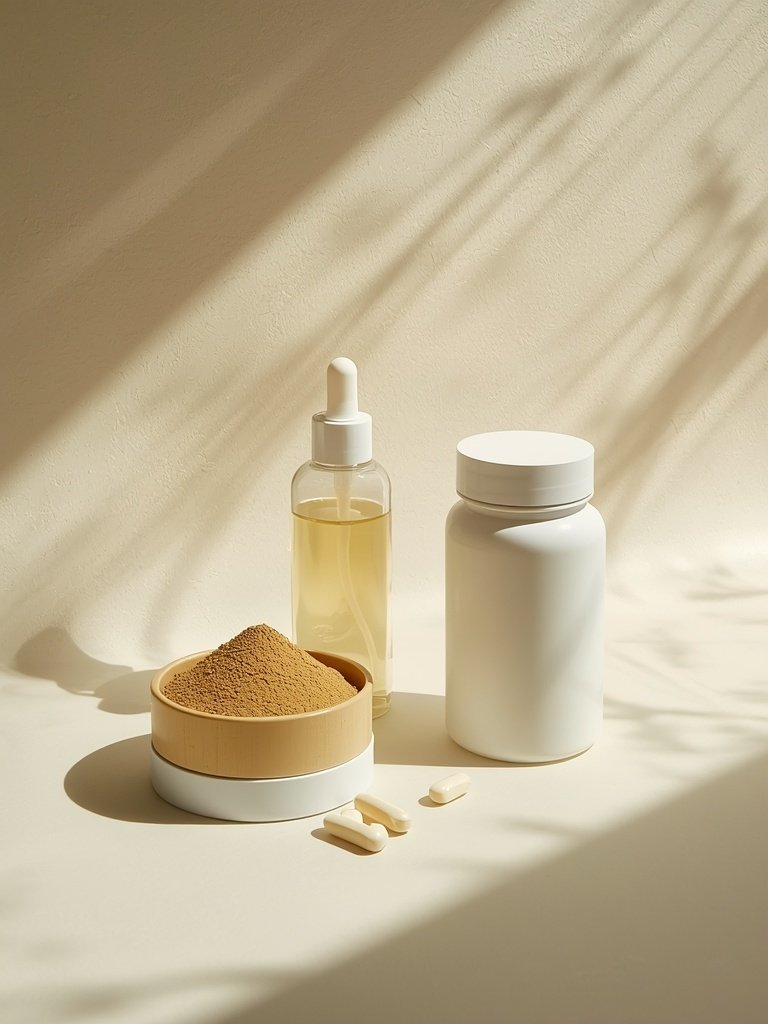
Table of Contents 5
Medical & Editorial Disclaimer (§3 Terms): This article is for informational and educational purposes only, does not constitute medical advice, diagnosis, or treatment, and is used at your own risk. Consult a qualified physician for medical conditions.
This article examines the physiological and practical distinctions among the primary delivery formats used in supplementation and skincare. It clarifies how powdered dietary supplements containing bioavailable hydrolyzed collagen peptides or free amino acids differ from conventional culinary gelatin derived from denatured animal connective tissue, while noting the synergistic role of added compounds such as vitamin C for endogenous collagen synthesis, calcium, magnesium, and glycosaminoglycans. Furthermore, the text evaluates liquid suspensions, topical creams and serums, and tablet formulations, weighing benefits such as dosing precision and convenience against production limitations like increased volume and costs associated with water-based solvents.
From a practical standpoint, readers gain actionable insights for integrating collagen-rich options into their daily routine according to personal preferences. Alongside choosing sensibly among powders, liquids, and tablets to support skin, joint, and connective tissue wellness, individuals can incorporate natural dietary sources such as gelatin-based fruit gels, meat and fish aspics, and concentrated broths simmered from animal bones, tendons, and cartilage. Balancing whole-food culinary preparations with targeted supplementation offers a straightforward, well-rounded strategy for maintaining daily amino acid intake.
A comprehensive guide: methods for utilizing collagen in supplementation and skincare
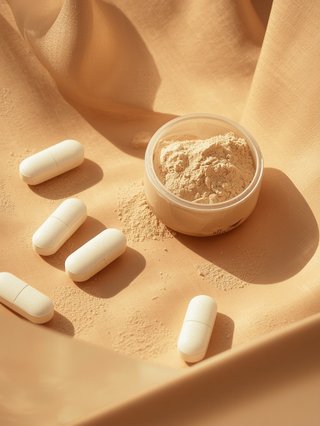
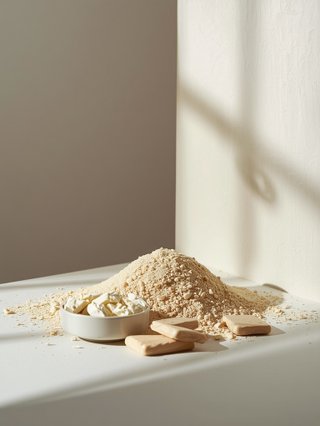
Powdered collagen: distinguishing between dietary supplements and culinary gelatin – composition, functional differences, and applications
Liquid Collagen: Properties, Applications, and Limitations
Collagen in tablet form: properties, advantages, and practical limitations
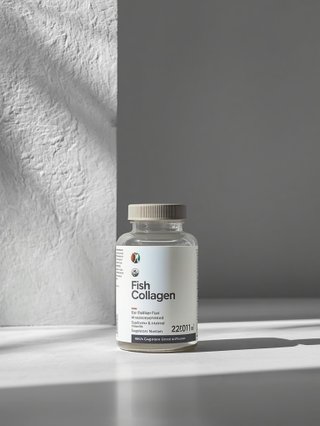
Natural dietary sources of collagen and its available supplemental forms
Want to apply these guidelines in your daily diet?
Our smart diet generator creates a tailored meal plan in 3 minutes based on the recommendations in this article.

mgr Literatura: Hames B. D., Hooper N. M., Biochemia – Krótkie wykłady, PWN, Warszawa 2004, Zdzieblik D., Oesser S., i in., Collagen peptide supplementation in combination with resistance training improves body composition and increases muscle strength in elderly sarcopenic men: a randomised controlled trial, Br J Nutr. 2015 Oct 28;114(8):1237–45, Asserin J., Lati E., i in. The effect of oral collagen peptide supplementation on skin moisture and the dermal collagen network: evidence from an ex vivo model and randomized, placebo-controlled clinical trials. J Cosmet Dermatol. 2015 Dec;14(4):291–301, Schunck M., Zague V. i in., Dietary Supplementation with Specific Collagen Peptides Has a Body Mass Index-Dependent Beneficial Effect on Cellulite Morphology. J Med Food. 2015 Dec;18(12):1340–8, Choi S. Y., Ko E. J., i in., Effects of collagen tripeptide supplement on skin properties: a prospective, randomized, controlled study. J Cosmet Laser Ther. 2014 Jun;16(3):132–7, Cúneo F., Costa-Paiva L. i in., Effect of dietary supplementation with collagen hydrolysates on bone metabolism of postmenopausal women with low mineral density. Maturitas. 2010 Mar;65(3):253–7, Proksch E., Segger D. i in., Oral supplementation of specific collagen peptides has beneficial effects on human skin physiology: a double-blind, placebo-controlled study, Skin Pharmacol Physiol. 2014;27(1):47–55.
Diets Premium Expert
Diets Premium team expert. Specializes in nutrition plans, strength sports, and training plans.