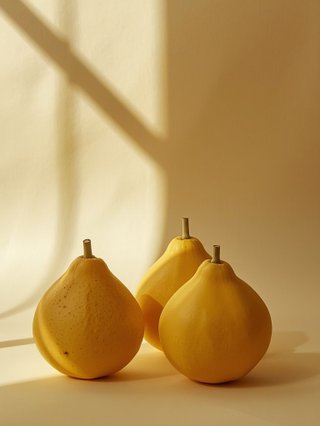
Cherimoya - characteristics and uses


Table of Contents 3
Medical & Editorial Disclaimer (§3 Terms): This article is for informational and educational purposes only, does not constitute medical advice, diagnosis, or treatment, and is used at your own risk. Consult a qualified physician for medical conditions.
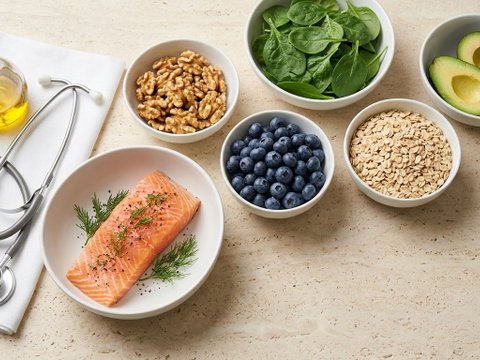
From a nutritional perspective, the soft pulp provides a rich spectrum of essential micronutrients and natural sugars. It contains protective antioxidant vitamins such as vitamin C and vitamin E, alongside key B-complex vitamins, particularly vitamin B six. Furthermore, the fruit serves as a meaningful source of crucial minerals, including calcium, phosphorus, magnesium, iron, manganese, and copper, paired with a well-balanced ratio of potassium and sodium. These components collectively support cellular health, metabolic function, and general systemic well-being without relying on artificial additives.
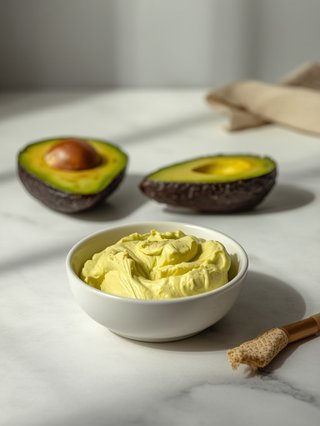
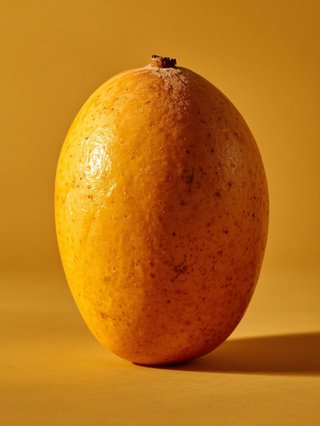
In daily culinary practice, the simplest way to enjoy cherimoya is by slicing it in half and scooping out the sweet pulp with a spoon, taking care to discard the seeds. Its naturally rich texture makes it an exceptional candidate for fresh desserts, fruit salads, yogurts, and chilled dairy-free ice creams. When blended and chilled, it transforms into smooth, thick beverages and smoothies that pair wonderfully with aromatic spices like vanilla and cinnamon. Incorporating this tropical fruit into meals offers an effortless method to elevate dietary variety and savor wholesome natural flavors.
How to Select and Eat Cherimoya.
Nutritional Profile and Health-Promoting Properties.
Culinary Applications in Fresh Desserts.
Want to apply these guidelines in your daily diet?
Our smart diet generator creates a tailored meal plan in 3 minutes based on the recommendations in this article.

mgr David Janitzek
• 23.10.2026Diets Premium Expert
Diets Premium team expert. Specializes in nutrition plans, strength sports, and training plans.