Key Takeaways
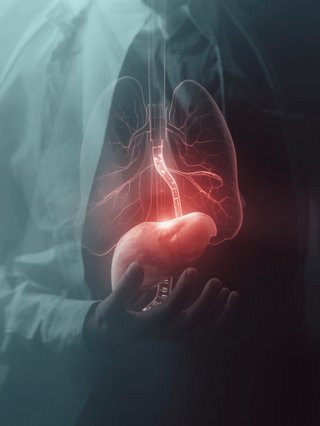
The liver serves as the central metabolic hub and the largest gland in the human body, playing a fundamental role in neutralizing toxins and eliminating unwanted metabolic byproducts. Its health is paramount for overall vitality, as it facilitates a vast array of chemical reactions essential for life. Recognizing the importance of this organ allows individuals to make informed dietary choices that bolster the body natural defense systems and maintain internal balance.
Physiologically, the liver is indispensable for the digestion and absorption of fats through the production of bile acids, which break down lipids for more efficient enzymatic processing. Clinical insights suggest that specific foods, such as cruciferous vegetables and green tea, provide potent antioxidants like epigallocatechin gallate that enhance detoxification pathways. These natural compounds help stabilize liver enzymes and may offer protective effects against tissue scarring and fatty deposits, supporting long-term hepatic integrity.
To support liver health daily, incorporating nutrient-dense options such as filtered coffee, broccoli, and Brussels sprouts into the diet is highly beneficial. These foods contribute to the organ's regenerative capacity and help mitigate the impact of environmental stressors on the metabolic system. By focusing on a variety of plant-based sources rich in protective phytonutrients, one can proactively nurture the liver and enhance the body's innate ability to process and remove harmful substances.
Although it has long been known that the liver is the site of more than 400 chemical reactions daily, many still wonder how exactly this organ functions. The liver is primarily responsible for the removal of harmful substances, eliminating many unwanted toxins and metabolic byproducts from the body.
02 / 02
The best liver food
"Some types of food provide protection to the liver. For example, starting the day with a bowl of oatmeal and (interestingly) coffee helps your liver function properly" - Dr. Michael H. Greger. Following Dr. Greger's words, 10 foods that support the human body's largest internal organ are presented below. Oatmeal
Studies show that consuming whole-grain products (such as: sourdough rye bread with added grains, pumpernickel, whole wheat pasta, coarse groats: barley, spelt, buckwheat, millet, brown rice, natural cereal flakes: oats, barley) correlates with a reduced risk of chronic diseases [1].. Generally speaking, consumers of traditional oatmeal are less likely to get sick.. Broccoli
It is well known that a diet rich in vegetables such as cabbage, broccoli, or Brussels sprouts can improve the efficiency of detoxification organs (including the liver) by up to 37%.. Furthermore, consuming these plants can reduce the risk of liver diseases, especially liver cancer.. This remarkable effect is attributed to organic chemical compounds: glucosinolates and their metabolites (sulforaphane) found in plants of the Brassicaceae family.. It is therefore worth including the above products in your menu, preparing various dishes (creams, steamed or briefly cooked vegetables)... Coffee
Although alcohol consumption promotes liver inflammation, coffee consumption correlates with a lower intensity of these conditions. Scientific study results are quite promising, and this is most likely due to the active compounds contained in coffee beans. As literature reports state, drinking coffee limits DNA damage and facilitates the removal of cells infected with hepatitis C virus [1]. Important: Daily consumption of caffeinated beverages can lead to physical dependence, and consequently caffeine withdrawal symptoms (mood swings, headaches, fatigue, difficulty concentrating).. Green tea
One of the oldest drinks in the world – green tea – is currently attracting increasing interest due to growing nutritional awareness.. Light green infusions positively affect the digestive system, facilitating digestion and nutrient absorption.. In addition, they support kidney and urinary tract function, relieve fatigue, and may lower blood pressure.. Many studies indicate the special role of polyphenols (flavonoids, catechins) contained in these infusions.. Green tea exhibits antioxidant activity, prevents cancers, especially lung and stomach cancer, and their precancerous states. Interesting studies indicate the protective effect of green tea on the liver exposed to the action of the organic solvent (2-nitropropane) present in cigarette smoke. Important due to the hypolipidemic, anti-inflammatory, and antioxidant effects of catechins, consuming green tea is recommended as part of the prevention of non-alcoholic fatty liver disease and for patients with metabolic syndrome. For therapeutic purposes, drinking 2–3 cups of straw infusions daily is recommended [9].. Water
Water is an essential component for the life of every organism and is a universal thirst-quenching drink. Furthermore, it is needed, among other things, in the processes of: digestion and absorption of nutrients, excretion of harmful metabolic products and toxins, as well as the regulation of water-electrolyte and acid-base balance [2].. It is worth remembering that the human body cannot store water, so it must be constantly supplied to function properly.. Almonds
Almond seeds are considered the most noble among nuts. Thanks to their richness in vitamins, especially group B, and mineral components (magnesium), almonds, also known as the "king of nuts," have been used as a remedy for heartburn, nausea, and even help in fighting stress. Furthermore, right next to peanuts and pistachios, almonds contain the most protein. They are also a valuable source of antioxidant vitamins necessary to protect against oxidative stress. These nuts are primarily a source of alpha-tocopherol.. Spinach
Spinach, due to its many valuable properties, has been considered a healthy vegetable since ancient times. In addition to being rich in vitamins and minerals necessary for the functioning of the human body, it is a source of biologically active substances. It also has great utility in weight-loss diets because it contains a substance (thylakoid) that inhibits fat digestion and reduces appetite, also increasing weight loss efficiency by 43%. It is worth emphasizing that the epoxyxanthophyll, neoxanthine, and violaxanthin present in spinach reduce cancer activity, which suggests that consuming this plant may reduce the risk of developing cancer [7].. Interesting To achieve better weight loss results, spinach should be consumed in a chopped and blended form.. Berries
As literature reports indicate, a certain group of chemical compounds found in plants prevents the accumulation of fat in human liver cells. We are talking about anthocyanins, which are purple, red, and blue pigments present in various types of fruits, among others, berries. It is worth mentioning cranberries here, as this fruit in the Petri dish inhibits the growth of liver cancer cells, surpassing all other common fruits in the United States, such as apples, bananas, pineapples, strawberries, grapes, lemons, oranges, and pears. Unfortunately, to the dissatisfaction of the pharmaceutical industry, the active ingredients responsible for this special effect of cranberries have not yet been isolated. In this regard, it is worth emphasizing that extracts of individual fruit ingredients contained in products available on the market do not exhibit anti-cancer activity, just as unprocessed fruit does [1].. Herbs and spices (oregano, plantain, rosemary)
Oregano (Origanum vulgare L.) has found use not only in culinary arts but also in phytotherapy for liver diseases. Thanks to its richness in essential oils, mainly thymol and carvacrol, this raw material is used in the treatment of digestive system disorders, as well as intestinal stagnation in cases of fat maldigestion. Interestingly, the composition of oregano oil, as written by Dr. Różański, is variable. It depends on the proportion of individual parts of the raw material, the harvest period, the drying process, the variety, and the country of origin. The leaves and root of the dandelion have been used in official medicine since the 13th century as a typical liver remedy. Aqueous, alcoholic extracts, and the juice of common yarrow exhibit strong choleretic, choletheric, detoxifying, and antispasmodic properties. The immense potential of the dandelion is due to the flavonoids and polyphenolic acids present in practically all parts of the plant. These ingredients exhibit hepatoprotective effects, and additionally prevent liver steatosis and cirrhosis and the formation of gallstones [8].. Another plant worth noting is rosemary.. This popular green shrub from the Mediterranean climate, belonging to the family Lamiaceae, has been used in medicine.. The herbal raw material is the leaves of this plant, from which extracts or essential oil are prepared.. Studies have shown that rosemary and its active ingredients prevent the formation of free radicals.. They also have anti-inflammatory, anti-cancer, anti-rheumatic, anti-diabetic, and hepatoprotective effects. They also have antimicrobial activity and prevent the formation of stomach and intestinal ulcers [4]. Milk thistle (Silybum marianum)
The fruit of milk thistle, known in herbal medicine since antiquity, has been used in phytotherapy for liver and gallbladder diseases since the time of Dioscorides. This raw material contains a complex of flavonoids – silymarin, which is found in the fruits of Silybum, specifically in its seed coat. It is silymarin that strengthens and stabilizes the liver cell membrane and, importantly, protects the liver from the harmful effects of mycotoxins, ethanol, many drugs, and plant toxins. Interesting extracts from spotted oregano effectively relieve symptoms of indigestion while also increasing the digestive tract's tolerance to fatty and high-protein dishes [8].. If we want a healthy liver, we should remember, as always, to prevent diseases of this organ.. All more serious diseases begin with inflammatory conditions. Finally, it is worth emphasizing that one can protect oneself against viruses using common-sense measures, and fatty liver can be prevented in a very simple way – by avoiding excessive consumption of alcohol, calories, saturated fats, and sugar [1].
Want to apply these guidelines in your daily diet?
Our smart diet generator creates a tailored meal plan in 3 minutes based on the recommendations in this article.