Which is better – dried fruits or fresh?

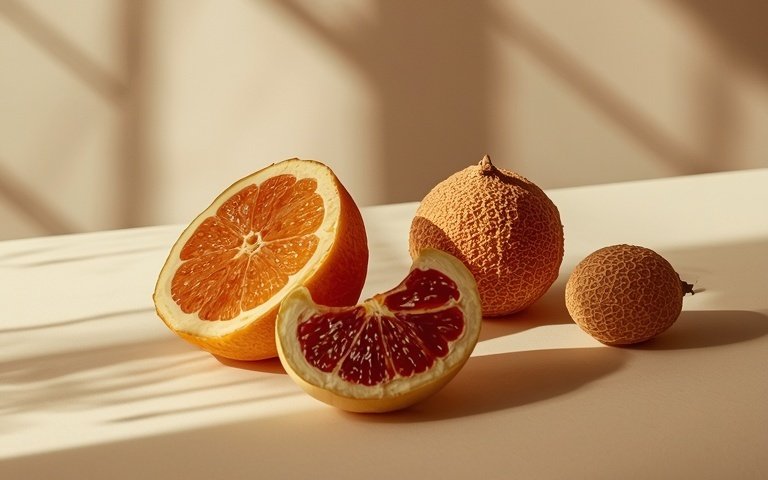
Table of Contents 3
Medical & Editorial Disclaimer (§3 Terms): This article is for informational and educational purposes only, does not constitute medical advice, diagnosis, or treatment, and is used at your own risk. Consult a qualified physician for medical conditions.
Dried fruits result from a moisture reduction process, which concentrates their nutrients and consequently leads to a higher caloric density compared to their fresh counterparts. This concentrated form offers readily digestible carbohydrates. Fresh fruits, however, are characterized by their high water content and a broader spectrum of heat-sensitive vitamins that can be partially lost during drying. Furthermore, dried fruits may undergo technological treatments such as sulfuring or added sugars.
For daily nutrition, fresh fruits should be the primary choice due to their natural and unprocessed nature. They are an excellent source of hydration and a wide array of micronutrients. Dried fruits can be a useful supplement, for instance, as an energy-rich snack on the go, but should be consumed in moderation due to their concentrated sweetness and potential additives. A conscious selection and preference for fresh fruit significantly contribute to a healthy lifestyle.
Fresh, unprocessed fruits – an essential component of a balanced dietary regimen
Dehydrated fruit: nutritional profile, processing methods, and dietary considerations
Fresh fruit versus dried fruit: Which option is healthier?
Want to apply these guidelines in your daily diet?
Our smart diet generator creates a tailored meal plan in 3 minutes based on the recommendations in this article.

Oliwia Kaczmarek
• 25.11.2026Diets Premium Expert
Diets Premium team expert. Specializes in nutrition plans, strength sports, and training plans.