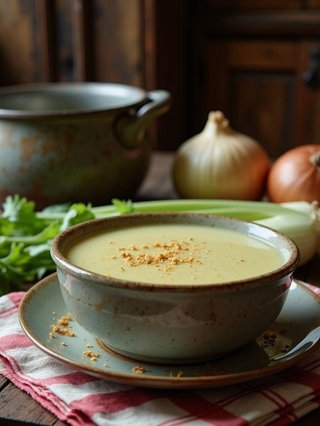
What is in the walnut oil?
Table of Contents 4
Medical & Editorial Disclaimer (§3 Terms): This article is for informational and educational purposes only, does not constitute medical advice, diagnosis, or treatment, and is used at your own risk. Consult a qualified physician for medical conditions.
The oil presents a light, slightly yellowish or greenish hue, accompanied by a mild, nutty flavor with hints of caramel and a subtle nutty aroma. It is an excellent source of omega-three, omega-six, and omega-nine fatty acids, all crucial for optimal bodily functions. Research suggests that consuming walnuts and their oil can positively influence the gut microbiome composition, potentially reducing the risk of numerous lifestyle-related diseases.
In culinary applications, walnut oil is best suited for cold dishes such as salads, dressings, sauces, and desserts, as heating can diminish its beneficial properties and alter its delicate flavor to a bitter taste. To maintain its freshness and nutritional value, it should be stored in a cool, dark place, ideally in a sealed dark glass bottle. It is important to note that once opened, its shelf life is relatively short, and prompt consumption is recommended.
Properties and composition of nut fat
Health benefits of walnut oil
Utilization of nut oil in the kitchen
Preservation of oil
Want to apply these guidelines in your daily diet?
Our smart diet generator creates a tailored meal plan in 3 minutes based on the recommendations in this article.

Laura Schneider
• 25.11.2026Diets Premium Expert
Diets Premium team expert. Specializes in nutrition plans, strength sports, and training plans.