3 min read

Water ionization – what is it, impact on health
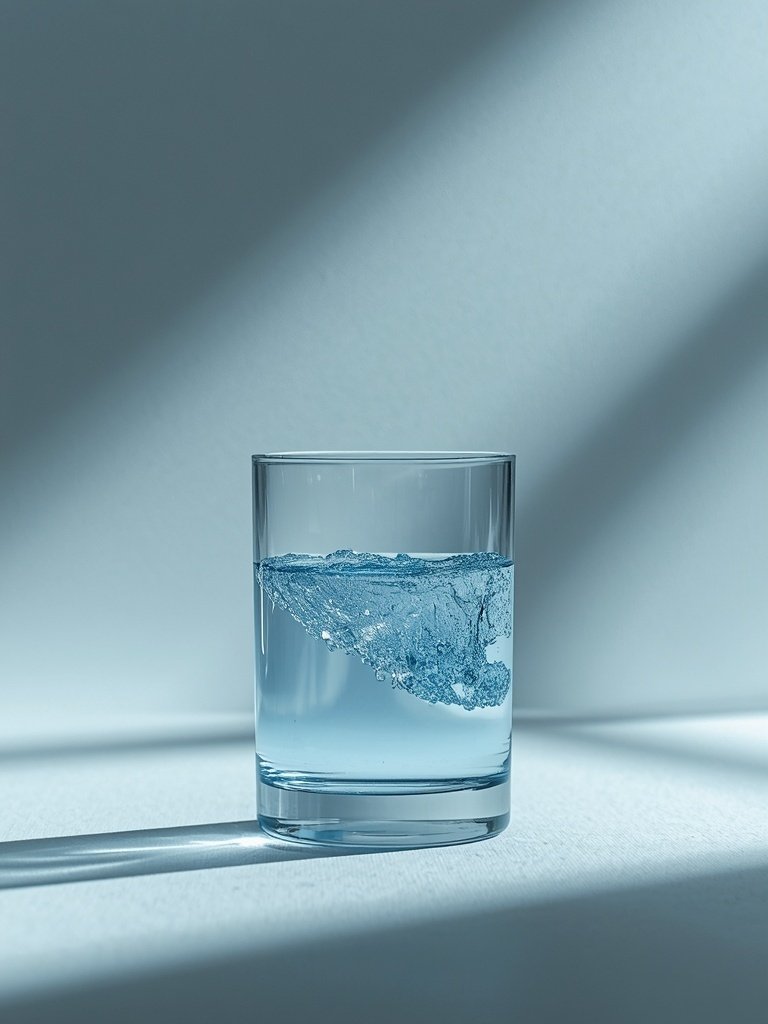
Clinical review: Emilia Szymańska
Water ionization – what is it, impact on health
1 photo
804
Smart Voice AI
0:00
0:00
Listen to the article content live
Table of Contents 3

Medical & Editorial Disclaimer (§3 Terms): This article is for informational and educational purposes only, does not constitute medical advice, diagnosis, or treatment, and is used at your own risk. Consult a qualified physician for medical conditions.

Clinical E-Books & Diet Plans: Explore E-Books & Plans →
Key Takeaways
Water ionization is a physicochemical process that generates considerable discussion among health-conscious consumers and medical professionals alike. While commercial advocates frequently attribute extraordinary antioxidant capabilities and systemic alkalizing effects to ionized water, clinical nutrition science evaluates these assertions through an objective, evidence-based lens. Understanding the intersection between water treatment technology and human physiology helps readers distinguish between marketing claims and well-established biological principles.

At a mechanistic level, electrolytic water ionizers operate by applying a low-intensity electric current across a positively charged anode and a negatively charged cathode. This controlled electrolysis induces electrolytic dissociation, splitting water molecules into hydrogen ions and hydroxide ions while selectively separating alkaline minerals such as sodium, potassium, calcium, and magnesium. Despite commercial narratives promoting ionized water as a defense against purported body acidification, physiological research demonstrates that human acid-base homeostasis is tightly and autonomously maintained by sophisticated internal regulatory mechanisms rather than the alkalinity of ingested beverages.

For daily wellness and hydration, consumers benefit most from focusing on consistent fluid intake and evaluating verified nutrition facts and mineral profiles rather than relying on unproven alkalizing remedies. Drinking clean, adequately mineralized water alongside a balanced diet naturally supports the body's intrinsic physiological functions and overall nutritional status. Individuals considering specialized water modification devices should view them with informed skepticism and always consult qualified healthcare providers for personalized medical or nutritional guidance.
Water ionization is a physicochemical process that sparks considerable debate among consumers and the medical community alike. Advocates claim extraordinary health benefits, such as potent antioxidant activity and systemic alkalization, whereas clinical science evaluates these assertions objectively. This article examines the electrolysis mechanism behind water ionizers, the physiology of human acid-base homeostasis, and empirical evidence regarding the health impact of ionized water.
01 / 03

Ionogenic process: the mechanistic formation of electrically charged species from neutral atomic and molecular structures

Ionogenesis constitutes a foundational physicochemical phenomenon wherein electrically neutral atoms or molecules undergo transformation into positively charged cations or negatively charged anions. This process is initiated by diverse energetic stimuli, including but not limited to electromagnetic radiation, particulate collisions, or thermal interactions. Of particular applied significance is ionization in the context of water property modification, where specialized ionizing devices induce controlled molecular dissociation, resulting in water exhibiting altered redox potential and clustered molecular architecture.
02 / 03

Electrolytic water ionizing device: mechanistic separation of mineral components via electrolysis

According to manufacturer specifications, water ionizers operate via a controlled electrolysis process employing two oppositely charged electrodes—a positively charged anode and a negatively charged cathode. Upon application of a low-intensity electric current, electrolytic dissociation occurs, wherein water molecules are split into hydrogen ions (H⁺) and hydroxide ions (OH⁻). This mechanism facilitates the selective separation of alkaline ions (primarily sodium, potassium, calcium, and magnesium) from acidic ions (such as chlorides, sulfates, phosphates, and protons). The outcome is the generation of two distinct water fractions with divergent properties: alkaline water—commonly referred to as "living water"—and acidic water, colloquially termed "dead water." The dissociation reaction can be represented by the following equilibrium: H₂O ⇌ H⁺ + OH⁻. An excess of OH⁻ ions relative to H⁺ ions yields an alkaline pH, whereas proton dominance results in acidification. A critical technical limitation, however, is that pure distilled water with a neutral pH (where H⁺ and OH⁻ concentrations are balanced) exhibits exceptionally low electrical conductivity, rendering the dissociation process exceedingly slow and inefficient. Furthermore, the recombination reaction—the reformation of H₂O molecules from ions—proceeds at a substantially faster rate than their dissociation. Consequently, only a negligible fraction of molecules (approximately 2 in 1 billion) remain in a dissociated state. The primary argument against the practical utility of such ionizers is the physical impossibility of achieving the advertised effects under real-world conditions. Even assuming the hypothetical scenario of complete dissociation and selective filtration of the alkaline fraction, the question of scientifically validated health benefits from such water remains contentious—a domain necessitating further rigorous clinical investigation.
03 / 03

Ionized water: A scientific examination of purported health benefits and the debunking of the "body acidification" myth

Manufacturers and distributors of ionized water claim that its regular consumption ensures an optimal alkaline pH, purportedly minimizing so-called "body acidification"—a concept that, despite its widespread popularity among consumers, lacks scientific validation. This myth is frequently exploited by producers of supplements and "miracle" remedies promising to "alkalize" the body. In reality, however, acid-base homeostasis is tightly regulated by the body through sophisticated physiological mechanisms: blood buffer systems, renal function (which selectively reabsorbs bicarbonate and excretes excess hydrogen ions), and pulmonary activity (responsible for carbon dioxide elimination) maintain blood pH within an extraordinarily narrow range of 7.35–7.45. Deviations such as acidosis arise solely from pathological conditions—such as renal failure, respiratory disorders, or metabolic dysfunctions—rather than dietary habits. Furthermore, assertions regarding the anticancer or detoxifying properties of ionized water remain unsupported by empirical evidence, as confirmed by meta-analyses of available research.
Meal Plan

Want to apply these guidelines in your daily diet?

Our smart diet generator creates a tailored meal plan in 3 minutes based on the recommendations in this article.

mgr Literatura:
J. Stępiński, S. Angielski; Równowaga kwasowo-zasadowa;
Scientifically reviewed by a clinical dietitian • 23.10.2026

mgr Literatura: J. Stępiński, S. Angielski; Równowaga kwasowo-zasadowa;

Diets Premium Expert

Diets Premium team expert. Specializes in nutrition plans, strength sports, and training plans.

USDA FoodData Central EFSA PubMed Clinical Guidelines
Loading
Recommended articles in this category

Related Articles

Discover similar publications and expert insights.

Coconut Chips and Flakes – Health Properties, Nutrition, and Calories
Nutritional Values

Coconut Chips and Flakes – Health Properties, Nutrition, and Calories

⏱ 3 min czytania
#Nutritional Values #Sweet Treats
Facts and Legends Surrounding Magnesium
Nutrition

Facts and Legends Surrounding Magnesium

⏱ 5 min czytania
#Nutrition #Skin Health
Beef - cuts, nutritional values, recipes... is beef healthy?

Nutritional Values

Beef - cuts, nutritional values, recipes... is beef healthy?

⏱ 5 min czytania
#Nutritional Values #Nutrition Facts
Nutritional values of herring, their distinctive properties, and recipe instructions
Nutritional Information

Nutritional values of herring, their distinctive properties, and recipe instructions

⏱ 5 min czytania
#Nutritional Information #Nutritional Properties
Grape juice: characteristics and nutritional contents
Nutritional Benefits Of Fruits

Grape juice: characteristics and nutritional contents

⏱ 5 min czytania
#Nutritional Benefits Of Fruits #Nutritional Benefits Of Grapes
Anise – Properties, Uses and Interesting Facts
Nutrition Facts

Anise – Properties, Uses and Interesting Facts

⏱ 2 min czytania
#Nutrition Facts #Condiments
Plant Sprouts – Types, Uses, Nutritional Benefits, and Health Gains from Consumption
Nutritional Benefits

Plant Sprouts – Types, Uses, Nutritional Benefits, and Health Gains from Consumption

⏱ 3 min czytania
#Nutritional Benefits #Nutritional Values
White Chocolate Product – Composition, Nutritional Value and Impact on Diet
Nutritional Value

White Chocolate Product – Composition, Nutritional Value and Impact on Diet

⏱ 3 min czytania
#Nutritional Value #Nutrition
Eggplant – Nutritional Value, Recipes. How to Prepare Eggplant?
Nutritional Value

Eggplant – Nutritional Value, Recipes. How to Prepare Eggplant?

⏱ 5 min czytania
#Nutritional Value #Baking
What Are the Characteristics of Black Elderberry? Syrups, Juices, and Liqueurs Made from Black Elderberry
Nutrition Facts

What Are the Characteristics of Black Elderberry? Syrups, Juices, and Liqueurs Made from Black Elderberry

⏱ 3 min czytania
#Nutrition Facts
What Dishes Can Be Prepared with Melon? Which Varieties Exist and What Are Their Nutritional Values?
Nutritional Values

What Dishes Can Be Prepared with Melon? Which Varieties Exist and What Are Their Nutritional Values?

⏱ 4 min czytania
#Nutritional Values #Nutrition Facts
Autumn Upper Respiratory Tract Conditions – Prevention Methods
Nutrition Facts

Autumn Upper Respiratory Tract Conditions – Prevention Methods

⏱ 5 min czytania
#Nutrition Facts
Johimbin – Effects, Side Effects, and Action
Nutrition Facts

Johimbin – Effects, Side Effects, and Action

⏱ 6 min czytania
#Nutrition Facts
Karoshi: Symptoms and Consequences of Chronic Overwork
Nutrition Facts

Karoshi: Symptoms and Consequences of Chronic Overwork

⏱ 6 min czytania
#Nutrition Facts
Millet Porridge – Nutritional Values, Drawbacks, Uses, and Recipes
Balanced Diet On The Go

Millet Porridge – Nutritional Values, Drawbacks, Uses, and Recipes

⏱ 4 min czytania
#Balanced Diet On The Go #Nutritional Values
Edible Horse Chestnuts – Characteristics, Nutritional Values and Recipes
Nutritional Values

Edible Horse Chestnuts – Characteristics, Nutritional Values and Recipes

⏱ 4 min czytania
#Nutritional Values #Nutrition Facts
Digestive Tract: Structure of the Esophagus and Intestines, Functions, Most Common Issues, Treatment Methods
Nutrition Facts

Digestive Tract: Structure of the Esophagus and Intestines, Functions, Most Common Issues, Treatment Methods

⏱ 4 min czytania
#Nutrition Facts
Do I Really Support the New Ecological Trend – or Is It a New Lifestyle?
Nutrition Facts

Do I Really Support the New Ecological Trend – or Is It a New Lifestyle?

⏱ 3 min czytania
#Nutrition Facts
Sunflower Sprouts – Cultivation and Nutritional Values
Nutritional Values

Sunflower Sprouts – Cultivation and Nutritional Values

⏱ 3 min czytania
#Nutritional Values #Nutrition Facts
How to Effectively Reduce Weight After 50: Diet Plan and Recipes
Nutrition Facts

How to Effectively Reduce Weight After 50: Diet Plan and Recipes

⏱ 5 min czytania
#Nutrition Facts
Star Fruit – Effects, Nutritional Value, and Uses
Nutritional Value Of Fruits

Star Fruit – Effects, Nutritional Value, and Uses

⏱ 3 min czytania
#Nutritional Value Of Fruits #Nutritional Value Of Food
Beans – Properties, Nutritional Value, Recipes… How to Cook Beans?
Nutritional Value

Beans – Properties, Nutritional Value, Recipes… How to Cook Beans?

⏱ 6 min czytania
#Nutritional Value #Beans
Stevia - properties, nutritional values, and utilization
Natural Sweetener

Stevia - properties, nutritional values, and utilization

⏱ 3 min czytania
#Natural Sweetener #Nutritional Values
White sugar compared to brown sugar... Evaluating their nutrient profiles and health impacts
Nutritional Values

White sugar compared to brown sugar... Evaluating their nutrient profiles and health impacts

⏱ 2 min czytania
#Nutritional Values #Nutrition Facts
Dorada – Nutritional Value & Recipes
Nutrition

Dorada – Nutritional Value & Recipes

⏱ 6 min czytania 📚 Nutrition
#Nutritional Values #Nutritional Value
Game Meat – Nutritional Values, Uses, and Consumption Limitations
Nutrition

Game Meat – Nutritional Values, Uses, and Consumption Limitations

⏱ 4 min czytania 📚 Nutrition
#Nutritional Values #Health Benefits
Melons: an exploration of cultivars, distinctive traits, nutrient profile, and culinary applications
Food & Ingredients

Melons: an exploration of cultivars, distinctive traits, nutrient profile, and culinary applications

⏱ 4 min czytania 📚 Food & Ingredients
#Nutritional Values #Nutrition Facts
Chia (*Salvia hispanica*): Caloric Density, Phytochemistry, and Culinary Thermodynamics
Nutritional Composition

Chia (*Salvia hispanica*): Caloric Density, Phytochemistry, and Culinary Thermodynamics

⏱ 4 min czytania
#Nutritional Composition #Health Benefits
Fermented sour pickles: Nutritional benefits, vitamin profile, and the secrets to an authentic homemade recipe
Lactic Acid Fermentation

Fermented sour pickles: Nutritional benefits, vitamin profile, and the secrets to an authentic homemade recipe

⏱ 3 min czytania
#Lactic Acid Fermentation #Nutritional Benefits
Red onions – nutritional value, recipes... can you sauté red onions?
Nutritional Values

Red onions – nutritional value, recipes... can you sauté red onions?

⏱ 4 min czytania
#Nutritional Values #Nutritional Value
For Trainees

Latest Diets

Discover other diet plans with similar goals and nutrients.

Share