Valerian – action, side effects, price, and availability


Table of Contents 6
Medical & Editorial Disclaimer (§3 Terms): This article is for informational and educational purposes only, does not constitute medical advice, diagnosis, or treatment, and is used at your own risk. Consult a qualified physician for medical conditions.
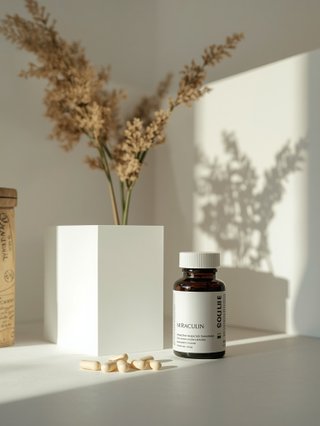
The physiological effects of valerian root stem from a complex array of bioactive constituents found within its root system and aerial parts, most notably valerenic acids, valtrates, and essential oils. These compounds interact with the nervous system to help regulate sleep onset, ease feelings of nervous tension, and offer potential protective support against oxidative stress. Consumers can access these properties through highly affordable ethanolic liquid drops packaged in opaque glass bottles to prevent light degradation, as well as through aqueous infusions and standardized dry-extract capsules.
Although valerian preparations are widely accessible and economical, mindful usage remains essential to avoid potential adverse reactions. Excessive intake or prolonged unsupervised use may occasionally trigger gastrointestinal discomfort or cardiovascular irregularities such as palpitations, meaning individuals with pre-existing heart conditions should exercise strict caution. Furthermore, expectant mothers must always consult a qualified healthcare professional before considering any botanical sedative, prioritizing non-pharmacological relaxation techniques and alcohol-free formulations whenever clinically appropriate.
Common Valerian (*Valeriana officinalis*) – Botanical Profile and Therapeutic Uses
Valerian root: pharmacological effects and therapeutic mechanisms of action
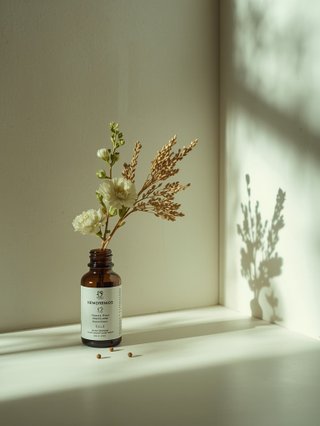
Valerian tincture in drop form – an ethanolic extract of *Valeriana officinalis*
The use of valerian during pregnancy: indications, limitations, and complementary relaxation approaches
Adverse reactions associated with valerian root: Essential considerations prior to consumption
Valerian root, despite being one of the most widely used botanical sedatives, is not completely devoid of adverse effects. Clinical evidence and pharmacological observations indicate several key areas of concern:
1. Cardiovascular disturbances – High doses or protracted use may occasionally induce cardiac rhythm irregularities, including palpitations and mild arrhythmias. Individuals with pre-existing cardiovascular conditions should strictly avoid unsupervised mega-dosing.
2. Gastrointestinal symptoms – In sensitive individuals, valerian extracts can provoke nausea, mild abdominal cramping, dyspepsia, or loose stools, particularly when consumed on an empty stomach.
3. Hypersensitivity reactions – Though uncommon, allergic responses such as contact urticaria, pruritus, or mild angioedema have been reported, especially in individuals allergic to plants in the Caprifoliaceae or Apiaceae families.
4. Drug interactions – Valerian potentiates the central nervous system depressive effects of synthetic sedatives, benzodiazepines, barbiturates, antidepressants, and ethanol, leading to excessive daytime sedation and impaired psychomotor coordination.
5. Withdrawal and dependency phenomena – Abrupt cessation following months of high-dose intake can provoke rebound insomnia, anxiety, and mild autonomic agitation. A gradual tapering protocol is clinically recommended.
In summary, while valerian exhibits an enviable safety profile compared to synthetic hypnotics, prudent dosage adherence and professional oversight remain essential for mitigating risks.
Comprehensive guide to valerian root pricing and purchasing options
Want to apply these guidelines in your daily diet?
Our smart diet generator creates a tailored meal plan in 3 minutes based on the recommendations in this article.
Tags

Sophia Williams
• 25.11.2026Diets Premium Expert
Diets Premium team expert. Specializes in nutrition plans, strength sports, and training plans.