Discovering Brussels Sprouts and their useful properties!
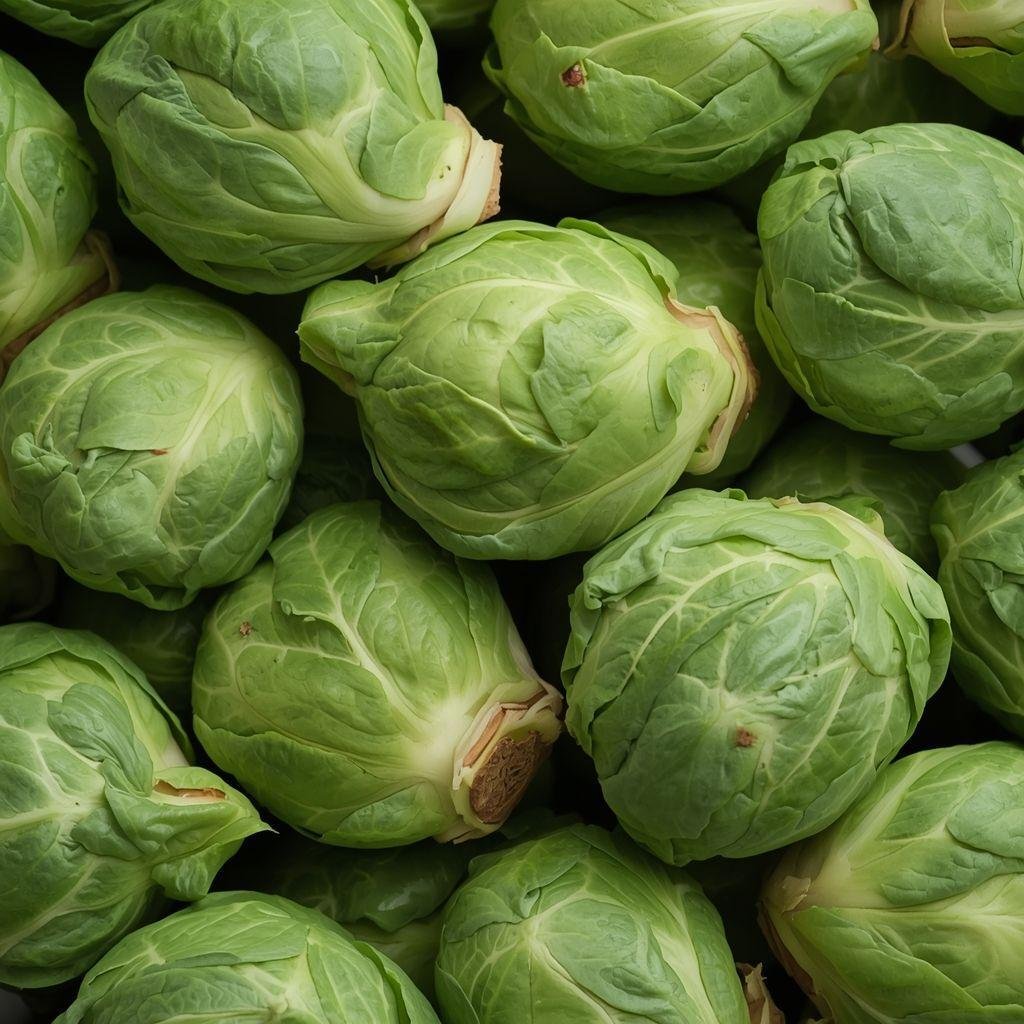
Table of Contents 4
Medical & Editorial Disclaimer (§3 Terms): This article is for informational and educational purposes only, does not constitute medical advice, diagnosis, or treatment, and is used at your own risk. Consult a qualified physician for medical conditions.
From a physiological perspective, Brussels sprouts are notably rich in sulforaphane, a bioactive compound extensively studied for its role in cellular health. Research suggests that sulforaphane may help reduce the risk of cellular mutations while supporting healthy cell differentiation and programmed cell death, known as apoptosis. Furthermore, because both raw and cooked sprouts provide minimal caloric energy alongside a naturally low glycemic index, they serve as an excellent dietary choice for individuals managing their weight, supporting stable blood sugar levels, or seeking nutrient-dense foods during pregnancy.
Translating these nutritional benefits into enjoyable daily meals depends largely on careful selection and smart cooking techniques. Choosing small, tightly closed, light green sprouts while discarding pale or discolored leaves ensures optimal freshness and flavor. Cooking the sprouts in an uncovered pot allows volatile sulfur gases to escape, while adding a splash of milk or a piece of bread to the water—or a pinch of cinnamon when steaming—effectively softens their natural bitterness.
What are Brussels sprouts?
Brussels sprouts – medical aspects
Caloric nutritional energy
Preparation of Brussels sprouts
Want to apply these guidelines in your daily diet?
Our smart diet generator creates a tailored meal plan in 3 minutes based on the recommendations in this article.

Mia Hoffmann
• 24.03.2026Diets Premium Expert
Diets Premium team expert. Specializes in nutrition plans, strength sports, and training plans.