The most important antioxidants are polyphenols!


Table of Contents 4
Medical & Editorial Disclaimer (§3 Terms): This article is for informational and educational purposes only, does not constitute medical advice, diagnosis, or treatment, and is used at your own risk. Consult a qualified physician for medical conditions.
Physiologically, polyphenols function by inhibiting oxidizing enzymes and preventing the formation of harmful metallic ions. Through these actions, they help safeguard genetic material from modifications and support cellular health by limiting the proliferation of unwanted cells. Furthermore, they contribute to cardiovascular well-being and assist in regulating metabolic processes, such as insulin secretion and glucose absorption, as highlighted by clinical research into their biological activity.
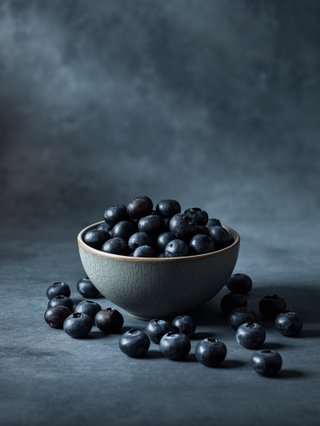
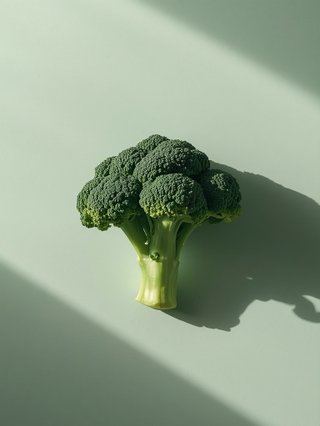
To incorporate these benefits into daily life, it is recommended to focus on a diverse intake of plant-based foods. Excellent sources include a wide array of berries, apples, pomegranates, and cherries, alongside vegetables such as broccoli, beetroot, onions, red peppers, and parsley. By consistently including these nutrient-dense foods in your diet, you provide your body with the necessary tools to neutralize free radicals and maintain a balanced, healthy internal environment.
What precisely are polyphenols?
Characteristics of Polyphenols
Dietary Sources of Polyphenols
Scientific Stance and Clinical Research
Want to apply these guidelines in your daily diet?
Our smart diet generator creates a tailored meal plan in 3 minutes based on the recommendations in this article.

mgr David Janitzek
• 25.11.2026Diets Premium Expert
Diets Premium team expert. Specializes in nutrition plans, strength sports, and training plans.