The effect of the first fifteen kilograms – how to avoid gaining weight during studies


Table of Contents 6
Medical & Editorial Disclaimer (§3 Terms): This article is for informational and educational purposes only, does not constitute medical advice, diagnosis, or treatment, and is used at your own risk. Consult a qualified physician for medical conditions.
Physiological and behavioral insights suggest that the combination of high stress levels and a shift toward sedentary habits plays a major role in weight fluctuations. Research highlights that the initial semester is a critical window for habit formation, as students often replace home-cooked meals with convenient, nutrient-poor options. These changes in dietary patterns, coupled with irregular sleep and decreased physical activity, can disrupt metabolic health and lead to persistent weight gain that lasts far beyond the college years.
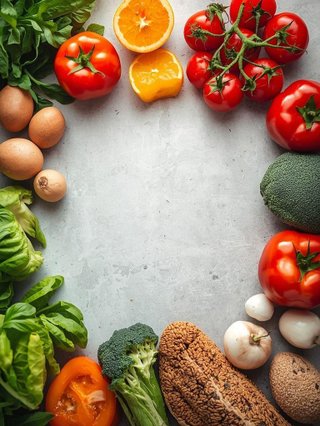
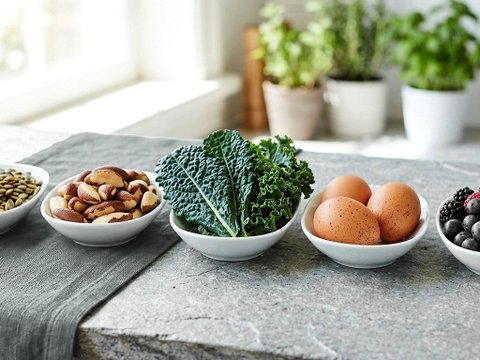
Maintaining a healthy weight during this exciting chapter requires a proactive approach to daily routines and nutritional choices. Prioritizing a diet rich in whole plant foods, such as vegetables and fruits, can provide the necessary nutrients to support both physical energy and cognitive function. By incorporating consistent movement and mindful stress management techniques, students can successfully navigate the demands of higher education while fostering habits that contribute to a vibrant and healthy future.
This article is professional premium content (PRO) provided in its entirety.
Freshman 15 Phenomenon
What the studies reveal
The Freshman 15 Effect: Factors Contributing to Weight Gain
Consequences
Dietary habits and physical activity among Polish students
How to maintain a healthy weight during college
Want to apply these guidelines in your daily diet?
Our smart diet generator creates a tailored meal plan in 3 minutes based on the recommendations in this article.
Tags

Alicja Kowalska
• 25.11.2026Diets Premium Expert
Diets Premium team expert. Specializes in nutrition plans, strength sports, and training plans.