Sunflower seed oil – properties, uses, and effect on the human body
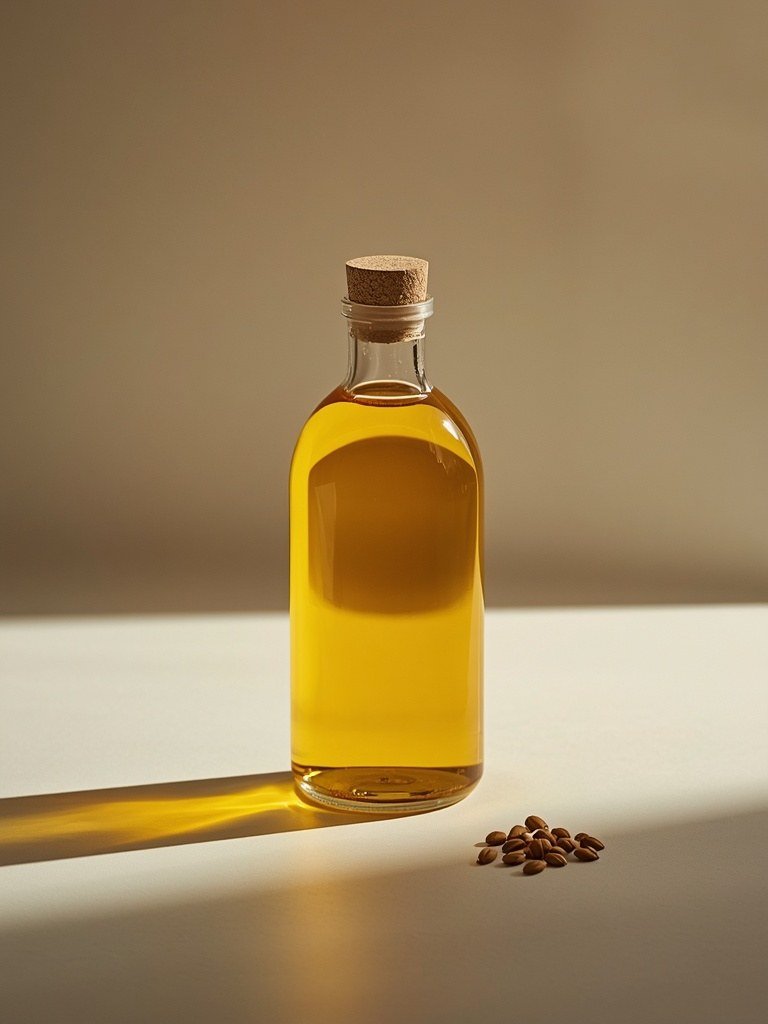

Table of Contents 5
Medical & Editorial Disclaimer (§3 Terms): This article is for informational and educational purposes only, does not constitute medical advice, diagnosis, or treatment, and is used at your own risk. Consult a qualified physician for medical conditions.
From a physiological perspective, sunflower oil is prized for its dense concentration of natural vitamin E alongside bioactive phytosterols. As a primary lipid-soluble antioxidant, vitamin E helps safeguard cellular membranes against oxidative damage, supports vascular elasticity, and contributes to skin integrity, while phytosterols assist in moderating intestinal cholesterol absorption. Additionally, the article explores the traditional Ayurvedic practice of oil pulling using cold-pressed sunflower oil. By mechanically swishing the lipophilic liquid through the oral cavity and interdental spaces, oral microbes such as Streptococcus mutans, cellular debris, and lipid-soluble impurities are trapped, which may help reduce dental plaque accumulation, soothe gingival irritation, alleviate halitosis, and promote a balanced oral microbiome.
Translating these insights into daily wellness requires matching the specific oil grade to its intended application. Unrefined cold-pressed sunflower oil is best reserved for chilled culinary preparations and morning oil pulling on an empty stomach, whereas refined sunflower oil offers enhanced thermal stability suited for cooking and frying. When practicing oral oil pulling, the emulsified fluid must always be thoroughly expectorated rather than swallowed, and the routine should be approached strictly as a supportive adjunct to conventional mechanical tooth brushing, interdental flossing, and regular professional dental care.
Throughout recent decades, sunflower seed oil has established itself as one of the most widely consumed vegetable oils in culinary and domestic food preparation globally. Depending on its processing—whether unrefined cold-pressed or refined—it offers distinct health and culinary attributes, delivering an abundant supply of vitamin E, phytosterols, and unsaturated fatty acids.
Characteristics and popularity of sunflower oil
The enduring popularity of sunflower oil reflects a widespread consumer desire for natural, plant-based lipid sources free from industrial trans fats and hydrogenated oils. Extracted from the seeds of the common sunflower (Helianthus annuus), it is primarily distributed as unrefined cold-pressed oil or as refined cooking oil with enhanced heat resistance.
Nutritional properties, vitamin E, and lipid balance
Sunflower oil is characterized by an exceptionally rich concentration of natural vitamin E (approximately 40–50 mg per 100 g), generously satisfying daily nutritional requirements for this paramount antioxidant. Vitamin E preserves membrane lipids against oxidative insults, fosters vascular elasticity, and attenuates cutaneous aging.
Furthermore, sunflower oil yields significant phytosterols (250–300 mg/100 g), which impede intestinal cholesterol uptake. Because conventional sunflower oil predominantly features linoleic acid (omega-6) with minimal omega-3 content, it should be harmoniously combined with dietary omega-3 sources such as fatty fish, flaxseeds, and walnuts.
Oil pulling with sunflower oil – method and principles
Oil pulling is a traditional oral hygiene modality rooted in Ayurvedic tradition and widely introduced to Europe in the early 1990s. The protocol involves swishing one tablespoon of unrefined cold-pressed sunflower oil through interdental spaces for 15–20 minutes in the morning on an empty stomach.
Throughout this mechanical agitation, the lipophilic fluid traps oral microbes, lipid-soluble impurities, and cellular debris. Upon completion, the fluid must be expectorated and the mouth thoroughly rinsed with warm water.
Benefits for oral hygiene and dental plaque reduction
Clinical trials corroborate that consistent botanical oil pulling substantially diminishes salivary counts of Streptococcus mutans, a primary microbial driver of dental caries, while decreasing dental plaque accumulation.
The regimen provides valuable supportive care in managing gingival inflammation, mitigates halitosis (bad breath), and fosters a healthier oral microbial equilibrium.
Safety guidelines, recommendations, and limitations
Oil pulling represents a safe and non-invasive complementary hygiene practice, provided the emulsified liquid is never swallowed. It must always be viewed as an adjunct to, and never a substitute for, conventional mechanical tooth brushing, flossing, and professional dental check-ups.
Want to apply these guidelines in your daily diet?
Our smart diet generator creates a tailored meal plan in 3 minutes based on the recommendations in this article.
Tags

mgr Tim Klein
• 25.11.2026Diets Premium Expert
Diets Premium team expert. Specializes in nutrition plans, strength sports, and training plans.