Sage (Salvia) – species, medicinal properties, uses and contraindications
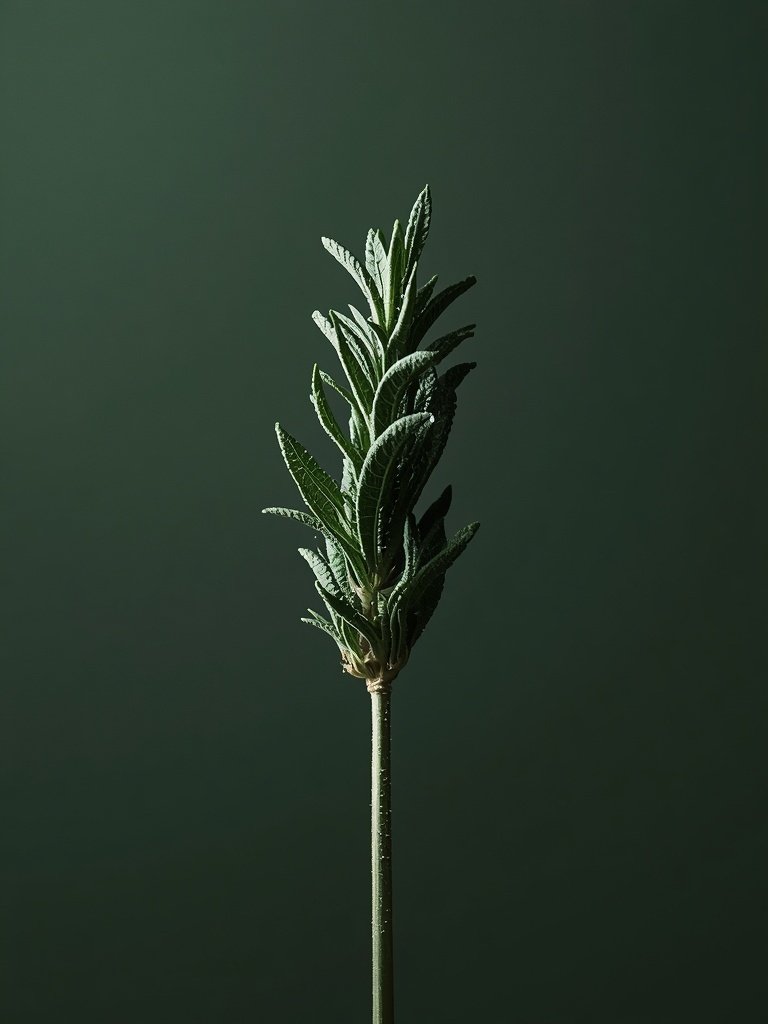
Table of Contents 5
Medical & Editorial Disclaimer (§3 Terms): This article is for informational and educational purposes only, does not constitute medical advice, diagnosis, or treatment, and is used at your own risk. Consult a qualified physician for medical conditions.
The article chapters detail the widespread global distribution of sage species and highlight the growing scientific interest in its therapeutic properties. Various sage cultivars are presented, which find application not only in medicine but also as ornamental plants. The beneficial effects of sage on the human body, including digestive support, cognitive function enhancement, and relief from cold symptoms, are emphasized, underscoring the importance of its chemical composition, rich in B vitamins, vitamin K, and key minerals.
In daily life, sage can be a valuable culinary ingredient and support overall well-being. However, it is important to exercise caution in its use, especially during pregnancy, lactation, or in cases of epilepsy, to avoid potential adverse effects. Moderate and mindful incorporation of sage into the diet can help harness the numerous health benefits of this valuable herb.
Sage: The most species-rich genus of the Lamiaceae family with near-global distribution
Diverse Cultivars of Medicinal Sage: Distinct Visual Traits and Applications in Ornamental Horticulture
Therapeutic properties and health-promoting applications of common sage in preventive care
Therapeutic Indications – What Ailments Does Common Sage Relieve?
Potential adverse effects and contraindications associated with the use of common sage (*Salvia officinalis*)
Want to apply these guidelines in your daily diet?
Our smart diet generator creates a tailored meal plan in 3 minutes based on the recommendations in this article.

mgr Max Müller
• 25.11.2026Diets Premium Expert
Diets Premium team expert. Specializes in nutrition plans, strength sports, and training plans.