Sage - characteristics, sage oil, medicinal properties
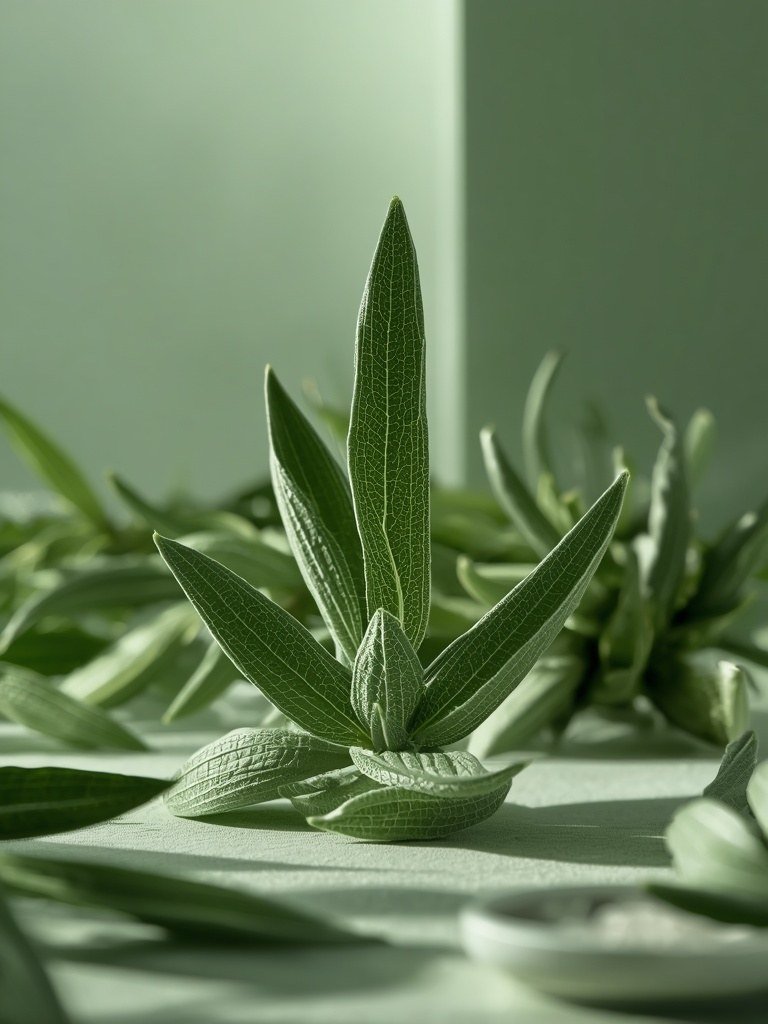
Table of Contents 4
Medical & Editorial Disclaimer (§3 Terms): This article is for informational and educational purposes only, does not constitute medical advice, diagnosis, or treatment, and is used at your own risk. Consult a qualified physician for medical conditions.
The physiological benefits of sage are derived from its rich profile of polyphenolic tannins, essential oils, and flavonoids. These constituents work synergistically to enhance digestive processes, stimulate intestinal movement, and support lipid metabolism by influencing cholesterol levels. Furthermore, the antimicrobial properties of clary sage oil provide a natural defense against various pathogens, while the presence of vitamins and essential minerals like magnesium and calcium contributes to skeletal health and cellular function.
Incorporating sage into a daily routine can provide practical support for oral hygiene, skin health, and metabolic regulation. Whether used as a concentrated oil or a traditional infusion, this herb serves as a versatile addition to a health-conscious lifestyle. By embracing the nutritional and therapeutic attributes of sage, individuals can complement their dietary habits with time-tested botanical support, fostering long-term well-being through natural means.
Common Sage – an Herb of Ancient Healing Legacy
Therapeutic and cosmetic attributes of common sage: A detailed examination of its health-promoting bioactive constituents
Clary Sage Essential Oil – Therapeutic Properties and Clinical Applications
Therapeutic applications of common sage: A multifaceted natural remedy with empirically supported health-promoting effects
Want to apply these guidelines in your daily diet?
Our smart diet generator creates a tailored meal plan in 3 minutes based on the recommendations in this article.

Olivia Davis
• 25.11.2026Diets Premium Expert
Diets Premium team expert. Specializes in nutrition plans, strength sports, and training plans.