Rib fracture – causes, symptoms and treatment
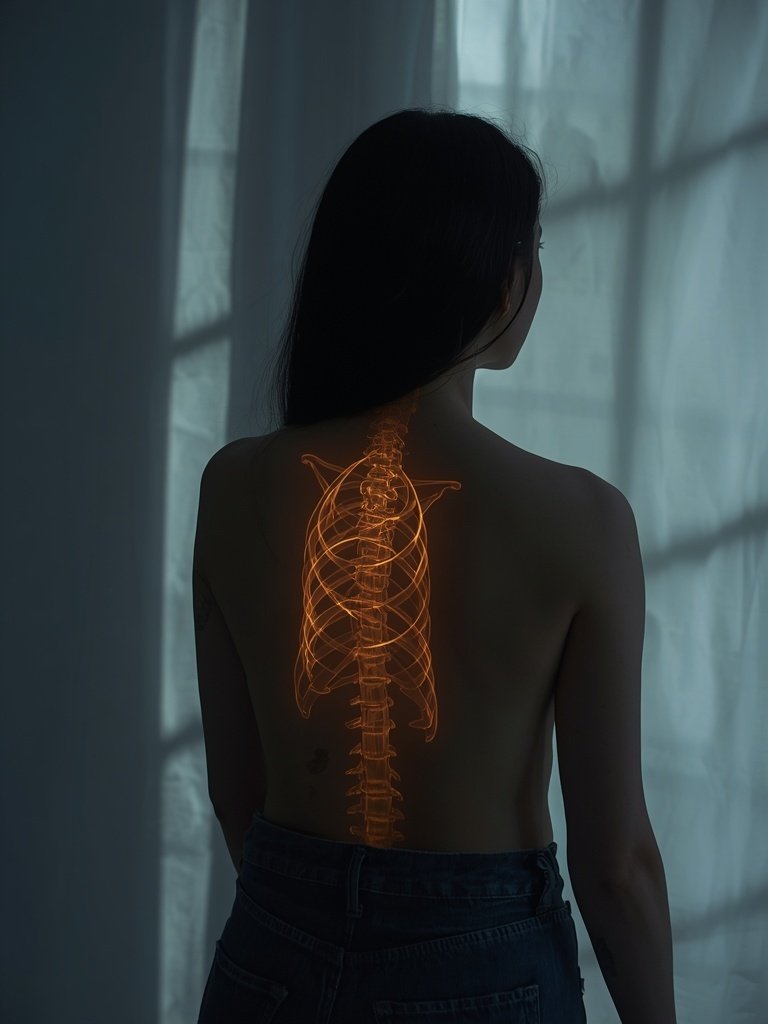

Table of Contents 3
Medical & Editorial Disclaimer (§3 Terms): This article is for informational and educational purposes only, does not constitute medical advice, diagnosis, or treatment, and is used at your own risk. Consult a qualified physician for medical conditions.
The causes range from blunt-force impacts, such as crushing compression or falls, to pathological overloading of the thoracic framework. Clinically, the injury often presents as a sharp, stabbing pain that intensifies during the inhalation phase. The structural compromise leads to functional impairment of the affected thoracic segment, resulting in diminished mobility.
Thoracic radiography remains a cornerstone of diagnostic assessment, though repeat imaging after a certain interval may be necessary for ambiguous cases. Therapeutically, it is important to consider the specific nature of the injury to implement appropriate recovery protocols and support the healing process.
Etiological determinants and mechanistic pathways of rib fractures across clinical and traumatic scenarios
Clinical manifestations and potential complications associated with rib and thoracic cage injuries
Diagnostic assessment and therapeutic management of rib fractures: from identification to recovery protocols
Want to apply these guidelines in your daily diet?
Our smart diet generator creates a tailored meal plan in 3 minutes based on the recommendations in this article.
Tags

mgr Mateusz Pawlak
• 25.09.2026Diets Premium Expert
Diets Premium team expert. Specializes in nutrition plans, strength sports, and training plans.