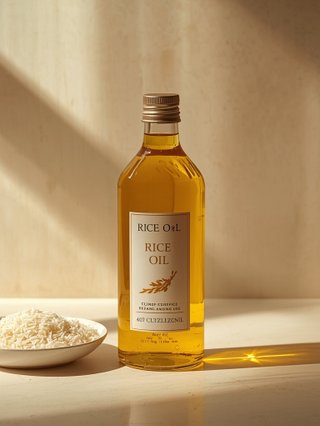
Rapeseed oil: comparison of refined and unrefined versions – nutrient profile and health effects
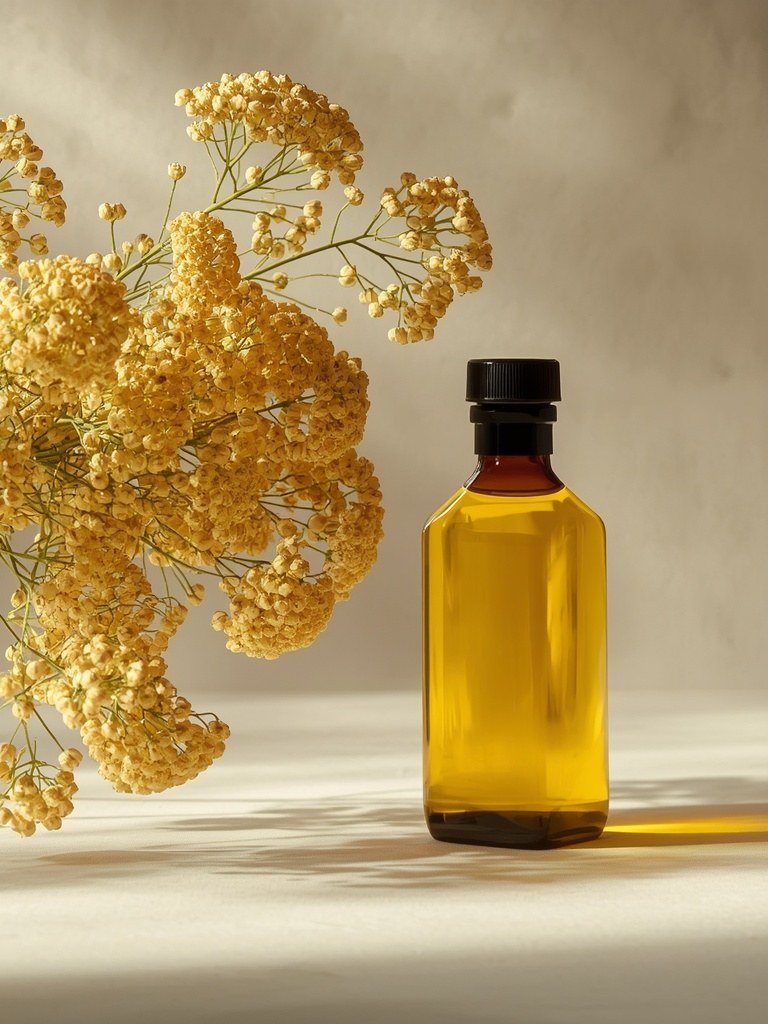
Table of Contents 5
Medical & Editorial Disclaimer (§3 Terms): This article is for informational and educational purposes only, does not constitute medical advice, diagnosis, or treatment, and is used at your own risk. Consult a qualified physician for medical conditions.
From a physiological perspective, rapeseed oil stands out for having one of the lowest proportions of saturated fatty acids among common culinary oils, while its lipid matrix is dominated by monounsaturated oleic acid. It also provides a balanced physiological ratio of linoleic acid to alpha-linolenic acid alongside natural vitamin E, vitamin K, and plant sterols. Clinical evidence indicates that substituting saturated dietary fats with rapeseed oil helps support healthy serum LDL-cholesterol and triglyceride levels while preserving protective HDL fractions. Furthermore, the essential alpha-linolenic acid acts as a precursor to long-chain fatty acids, contributing to anti-inflammatory balance, vascular endothelial integrity, and glycemic management in the context of insulin resistance.
For optimal daily nutrition, keeping both varieties in the kitchen allows home cooks to match each oil to its ideal thermal application. Cold-pressed unrefined rapeseed oil retains a rich golden color and a distinctive nutty flavor, making it best suited for raw applications such as salad dressings, dips, and drizzling over warm dishes just before serving. Conversely, refined rapeseed oil offers a neutral scent and taste paired with a high smoke point, providing a thermally stable medium for frying, roasting, and baking.
This article is professional premium content (PRO) provided in its entirety.
Amid the surge in popularity of exotic plant fats, native rapeseed oil is frequently undervalued despite boasting an exceptional fatty acid profile, abundant vitamin E, and plant sterols that place it at the forefront of cardioprotective nutrition. This analysis delivers an evidence-based comparison between cold-pressed virgin and refined rapeseed oils, detailing their culinary versatility and metabolic benefits.
Characteristics and agronomic importance of rapeseed
Rapeseed (Brassica napus) represents one of the premier oilseed crops cultivated throughout Central Europe. Modern agricultural cultivars (double-zero or canola-type cultivars) are virtually free from erucic acid and glucosinolates, rendering contemporary rapeseed oil safe and nutritionally superior.
Owing to its wide availability and economic affordability, it serves as a cornerstone of balanced preventive nutrition, often celebrated as the 'olive oil of the North'.
Fatty acid profile and micronutrient density
Rapeseed oil boasts the lowest proportion of saturated fatty acids (a mere 6–7%) among common culinary vegetable oils. Its lipid matrix is dominated by monounsaturated oleic acid (roughly 60–65%), renowned for supporting cardiovascular wellness.
Crucially, it demonstrates an optimal physiological ratio of omega-6 (linoleic acid, ~20%) to omega-3 (alpha-linolenic acid ALA, ~10%) of roughly 2:1. It further delivers abundant natural vitamin E (25–30 mg/100 g), vitamin K, and cholesterol-lowering phytosterols.
Cardiovascular and metabolic health implications
Extensive clinical research confirms that substituting saturated dietary lipids with rapeseed oil effectively decreases serum LDL-cholesterol and triglyceride concentrations while preserving protective HDL fractions.
The constituent alpha-linolenic acid (ALA) acts as an essential precursor to long-chain EPA and DHA fatty acids, imparting anti-inflammatory and antithrombotic benefits that safeguard the vascular endothelium and assist glycemic management in insulin resistance.
Refined versus cold-pressed varieties – differences and usage
The choice between cold-pressed virgin and refined rapeseed oil depends on culinary application:
Cold-pressed (unrefined) oil: Extracted mechanically below 40°C, it possesses a deep golden hue and a distinctive nutty flavor. It is ideal for salads, dressings, dips, and finishing warm dishes. It should not be used for high-heat frying.
Refined rapeseed oil: Purified to achieve neutrality in scent and taste, it features an elevated smoke point (approx. 204–240°C / 400–464°F), making it an extraordinarily safe and versatile fat for high-temperature pan-frying, baking, and roasting.
Conclusion – why rapeseed oil deserves a daily place in your diet
Rapeseed oil synergizes exceptional cardioprotective benefits with economic accessibility and outstanding culinary adaptability. By delivering monounsaturated fats, essential omega-3s, and protective antioxidants, it represents an exemplary functional staple.
Keeping both variants on hand—cold-pressed for raw culinary finishing and refined for thermal cooking—ensures optimal nutrition and culinary success.
Want to apply these guidelines in your daily diet?
Our smart diet generator creates a tailored meal plan in 3 minutes based on the recommendations in this article.
Tags

Mia Hoffmann
• 25.11.2026Diets Premium Expert
Diets Premium team expert. Specializes in nutrition plans, strength sports, and training plans.