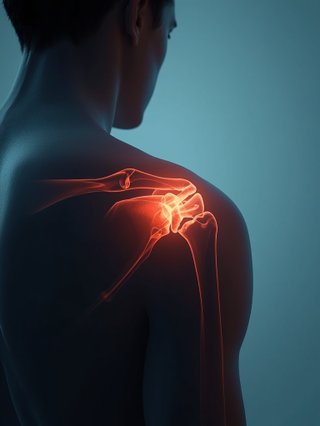
Range of motion - flexibility and stabilization


Table of Contents 5
Medical & Editorial Disclaimer (§3 Terms): This article is for informational and educational purposes only, does not constitute medical advice, diagnosis, or treatment, and is used at your own risk. Consult a qualified physician for medical conditions.
Examining physiological mechanisms reveals that forcing an extreme range of motion is not always beneficial, particularly when dealing with joint wear, individual skeletal structure, or past injuries. In such instances, developing strength within the current operational boundaries is far safer and more productive than overstretching. Alternating between mobility and stability across different joints helps protect vulnerable areas from excessive strain while maintaining natural movement mechanics.
Practical implementation in daily routines and fitness programs involves respecting individual anatomical uniqueness rather than chasing rigid movement ideals. Tailored mobilization exercises and body awareness training support the development of superior motor skills and better everyday posture. By focusing on progressive, personalized improvements, individuals can successfully enhance their physical capacity and maintain a healthy balance between mobility and structural integrity.
The significance of maintaining body stability
Are there circumstances in which the range of motion should not be expanded?
Practical training - development of skills and physical awareness
Practical implementation of the 'joint by joint approach' principle by Gray Cook
Summary
Want to apply these guidelines in your daily diet?
Our smart diet generator creates a tailored meal plan in 3 minutes based on the recommendations in this article.
Tags

Sophia Williams
• 25.11.2026Diets Premium Expert
Diets Premium team expert. Specializes in nutrition plans, strength sports, and training plans.