Pudding powder
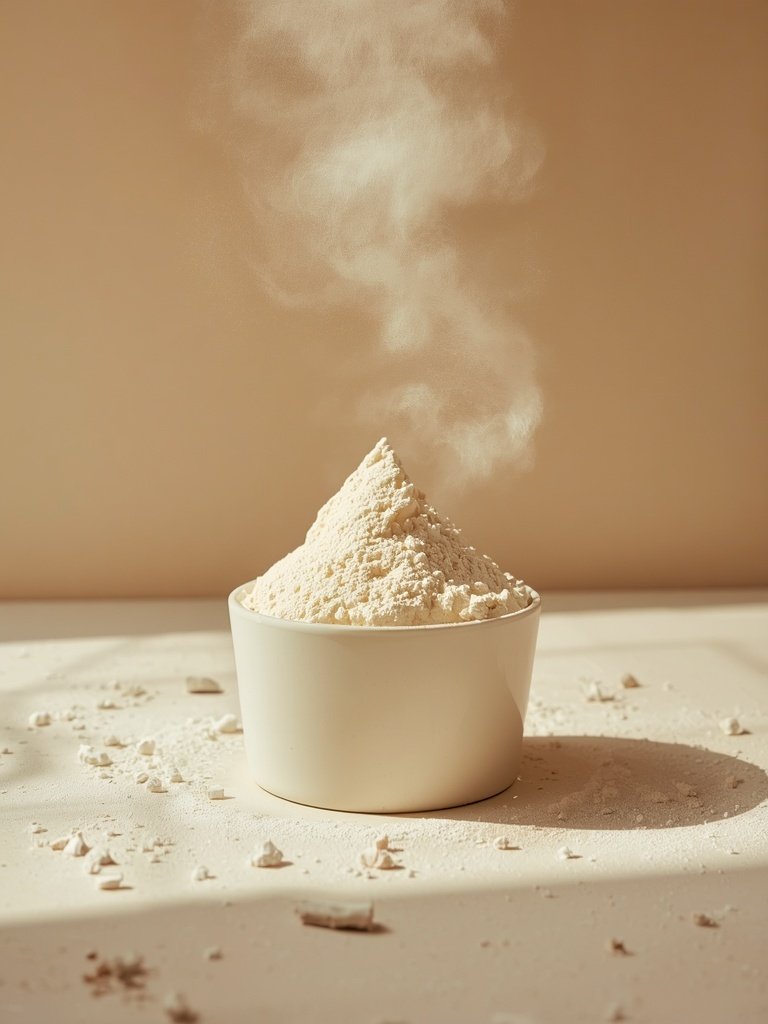
Table of Contents 3
Medical & Editorial Disclaimer (§3 Terms): This article is for informational and educational purposes only, does not constitute medical advice, diagnosis, or treatment, and is used at your own risk. Consult a qualified physician for medical conditions.
A closer examination of product formulations reveals a distinct difference between traditional cook-in pudding powders and instant varieties that only require dissolving in hot water. While standard cook-in mixes rely primarily on starches alongside artificial or natural flavorings and colorants, instant versions frequently incorporate numerous food additives such as emulsifiers, stabilizers, and thickeners, alongside low-nutrient ingredients like glucose syrup, fat-protein preparations, and hydrogenated palm oil. Furthermore, to impart an appealing yellow hue to vanilla or cream flavors, manufacturers often use quinoline yellow, one of the so-called Southampton colors associated with potential hyperactivity in children. Although natural coloring agents with recognized health benefits—such as curcumin or cocoa in chocolate varieties—are sometimes utilized, their actual concentration in the dry mix remains negligible.
In domestic cooking, home-prepared pudding nevertheless serves as a highly adaptable culinary base whose texture can be tailored from a light, airy mousse to a dense filling suitable for layered cakes, yeast rolls, or crepes. To make more mindful dietary choices, consumers should inspect ingredient labels carefully, avoid instant mixes laden with hydrogenated fats and synthetic dyes, and opt for simpler cook-in varieties. Pairing a classic stove-top pudding with fresh, seasonal fruit offers a practical way to enjoy this traditional culinary texture while exercising better control over added sugars and artificial additives.
Nutritional composition and characteristic properties of instant custard powder: Dietary considerations and potential health implications
Nutrition professionals seldom endorse powdered custard desserts due to their unfavorable nutritional profile. The primary ingredient in these products is starch—derived from potatoes, corn, or chemically modified variants—which exhibits a high glycemic index, potentially leading to rapid spikes in blood glucose levels. The standard composition of cook-in custard powder includes various starch types, crystalline sucrose, and either synthetic or naturally derived flavoring agents and colorants. In the case of "instant" varieties, which require only the addition of boiling water and stirring, the list of additives expands significantly. These formulations commonly incorporate emulsifiers to ensure a smooth texture, stabilizers to extend shelf life, thickening agents to modify consistency, and colorants and flavorings with negligible nutritional value. Furthermore, such products frequently contain questionable components, including fat-protein compounds of indeterminate origin, glucose-fructose syrup, and hydrogenated vegetable fats such as palm oil.
Particular attention should be given to the colorants used in vanilla and cream-flavored custards. Quinoline yellow (E104), classified among the so-called "Southampton dyes," has been scientifically linked to hyperactivity and attention deficits in children, as documented in multiple peer-reviewed studies. While curcumin (E100), a natural alternative with anti-inflammatory properties, is sometimes employed, it appears in trace amounts insufficient to confer meaningful health benefits. Chocolate-flavored custards contain cocoa, which possesses antioxidant properties, but again in quantities too minimal to be nutritionally significant. It is critical to emphasize that custard powder itself provides neither vitamins nor minerals; any nutritional content in the final dessert stems solely from supplementary ingredients such as whole milk, fresh fruit, or premium cocoa. For instance, custard prepared with cow’s milk does supply calcium, vitamin A, and vitamin D, but these nutrients originate from the dairy component rather than the powdered mix.
From a health-conscious perspective, the optimal approach involves preparing custard according to traditional homemade recipes using unprocessed ingredients. This method ensures full transparency regarding composition while eliminating the risk of consuming undesirable additives or hidden sugar sources.
Nutritional energy content of powdered custard – a comprehensive caloric breakdown
Practical applications of powdered custard in home cooking – culinary guidance and creative suggestions
Want to apply these guidelines in your daily diet?
Our smart diet generator creates a tailored meal plan in 3 minutes based on the recommendations in this article.
Tags

Katarzyna Mazur
• 25.11.2026Diets Premium Expert
Diets Premium team expert. Specializes in nutrition plans, strength sports, and training plans.