Properties and occurrence of hydroxymethylfurfural as an aromatic compound

Table of Contents 3
Medical & Editorial Disclaimer (§3 Terms): This article is for informational and educational purposes only, does not constitute medical advice, diagnosis, or treatment, and is used at your own risk. Consult a qualified physician for medical conditions.
From a biochemical perspective, this heterocyclic aldehyde originates from the acid-catalyzed dehydration of simple sugars, alongside caramelization and Maillard reactions occurring during thermal processing. The potential physiological implications of HMF remain a subject of active scientific inquiry. While certain investigations highlight concerns regarding cytotoxic metabolites formed during its biological transformation, ongoing research continues to evaluate its overall safety profile. Regardless of toxicity discussions, its presence remains an invaluable analytical tool for establishing authenticity and detecting excessive heat exposure in natural foods.
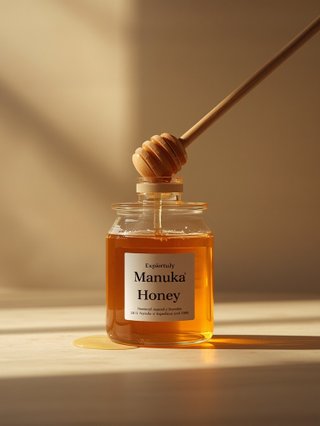
To apply these insights into daily nutrition, consumers are encouraged to select high-quality, minimally processed foods and store sensitive products like raw honey away from excessive heat. Minimizing reliance on heavily heat-treated or industrially processed items helps preserve the natural integrity of raw ingredients. Prioritizing gentle preparation methods and fresh whole foods aligns with a balanced lifestyle and supports optimal dietary choices.
5-Hydroxymethyl-2-furaldehyde (HMF): chemical profile and occurrence in food products
Hydroxymethylfurfural (HMF): Biochemical Characteristics and Potential Health Implications
Hydroxymethylfurfural: Occurrence, Formation, and Analytical Relevance in Food Processing
Want to apply these guidelines in your daily diet?
Our smart diet generator creates a tailored meal plan in 3 minutes based on the recommendations in this article.
Tags

Literatura: Kowalski S., Łukasiewicz M. (2012): Występowanie 5-hydroksymetylo-2-furfuralu (HMF) w wybranych produktach spożywczych dostępnych na polskim rynku. Bromatologia i Chemia Toksykologiczna. XLV, 4:1239–1245. Cendrowski A., Ścibisz I., Mitek M. (2011): Wpływ warunków przechowywania na zawartość hydrokysmetylofurfuralu, furfuralu i kwasu askorbinowego w dżemach z owoców jagodowych. ŻYWNOŚĆ. Nauka. Technologia. Jakość. 6, 79: 155-166. Michalska A., Zieliński H. (2007): Produkty reakcji Maillarda w żywności. ŻYWNOŚĆ. Nauka. Technologia. Jakość. 2,51: 5-16. Śliwińska A., Przybylska A., Bazylak G. (2012): Wpływ zmian temperatury przechowywania na zawartość 5-hydrokysmetylofurfuralu w odmianowych i wielokwiatowych miodach pszczelich.
Diets Premium Expert
Diets Premium team expert. Specializes in nutrition plans, strength sports, and training plans.