Posture disorders – spinal defects
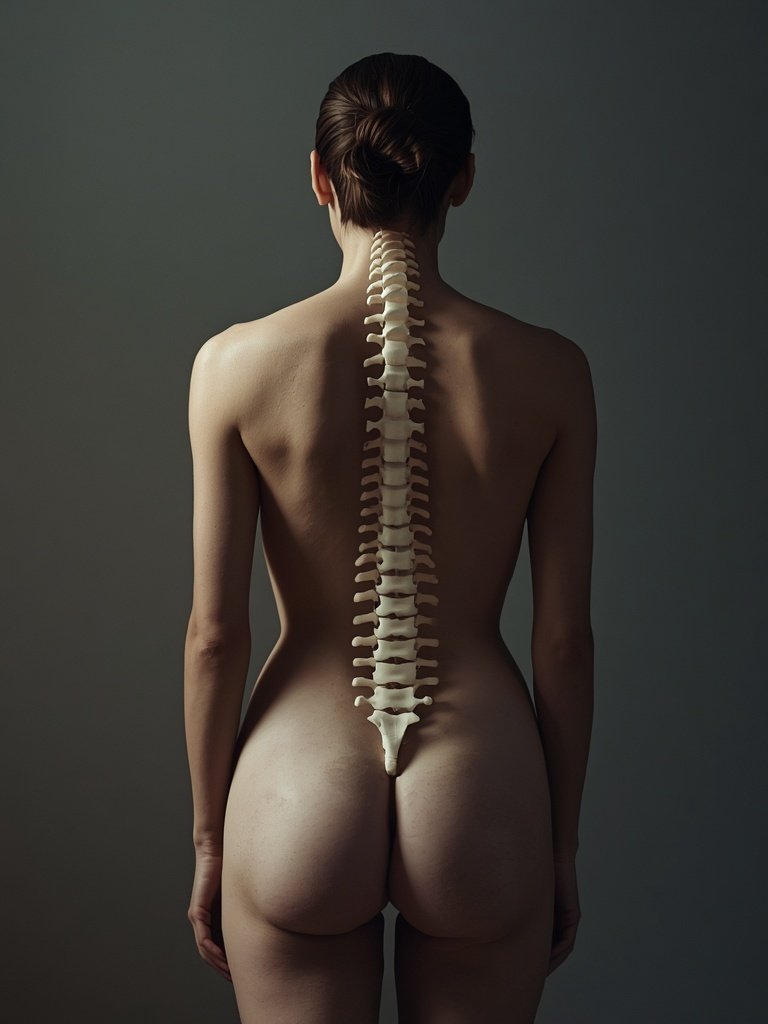
Table of Contents 12
Medical & Editorial Disclaimer (§3 Terms): This article is for informational and educational purposes only, does not constitute medical advice, diagnosis, or treatment, and is used at your own risk. Consult a qualified physician for medical conditions.
The analysis details the gradual evolutionary stages of postural dysfunctions, moving from initial functional imbalances to muscular and ligamentous contractures, and ultimately to permanent structural alterations. Specific syndromes such as thoracic hyperkyphosis, lumbar hyperlordosis, round-concave back, and flat back are thoroughly examined alongside their congenital and acquired origins. The text explores how the loss of natural spinal curvatures compromises the shock-absorbing capacity of the axial skeleton, placing excessive stress on spinal structures and altering pelvic mobility.
To manage and mitigate the progression of these alignment abnormalities, practical strategies focused on ergonomic awareness and targeted therapeutic exercise are essential. While resistance training offers substantial benefits for reinforcing weakened stabilization muscle groups, improper form carries the risk of exacerbating existing dysbalances. Adopting ergonomic daily habits, incorporating structured movement to counteract prolonged sitting, and engaging in tailored corrective exercises provide an effective framework for supporting healthy biomechanics and preventing functional decline.
This article is professional premium content (PRO) provided in its entirety.
Postural deviations contrasted with optimal bodily alignment: essential biomechanical and functional considerations
Phase I: The functional disturbance period in postural defect progression – adaptive musculoskeletal transformation dynamics
Stage two: progression of contractures within soft-tissue components (ligaments, tendons, and muscular systems)
Phase III – advanced structural deformities (so-called entrenched systemic dysfunctions)
Prenatally originated developmental anomalies: etiologies, classification, and formation mechanisms
Acquired postural disorders: etiologies and classification into developmental and habitual subgroups
Thoracic hyperkyphosis syndrome (rounded back posture)
Hollow back syndrome with associated postural disorders (lumbar hyperlordosis)
Round-concave back syndrome (dorsum rotundo-concavum): concurrent thoracic hyperkyphosis and lumbar hyperlordosis
My back is flat
Postural dysfunctions and gym-based resistance training: mitigating risks while leveraging therapeutic potential
Comprehensive overview of postural dysfunctions and their health implications across age demographics
Want to apply these guidelines in your daily diet?
Our smart diet generator creates a tailored meal plan in 3 minutes based on the recommendations in this article.
Tags

Oliwia Kaczmarek
• 25.11.2026Diets Premium Expert
Diets Premium team expert. Specializes in nutrition plans, strength sports, and training plans.