Plants supporting the fungal infection treatment process
Table of Contents 2
Medical & Editorial Disclaimer (§3 Terms): This article is for informational and educational purposes only, does not constitute medical advice, diagnosis, or treatment, and is used at your own risk. Consult a qualified physician for medical conditions.
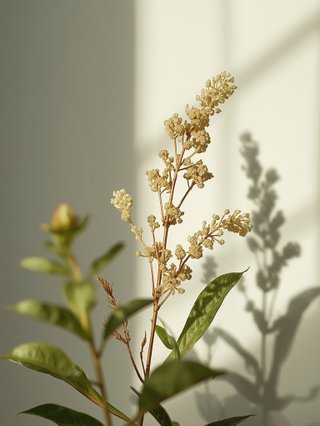
The discussion delves into various forms of herbal preparations, including teas, decoctions, infusions, and extracts, emphasizing the importance of correct dosing and application to maximize efficacy and prevent resistance. Particular attention is given to plants like Pau d’Arco, also known as Lapacho, which strengthens the immune system and inhibits fungal growth. Its active compounds stimulate macrophages to combat pathogens, contribute to blood cleansing, and may influence blood sugar levels.
For daily practice, incorporating specific herbs into one's dietary regimen can be a valuable complement to the dietary treatment of fungal infections. It is recommended to use herbal preparations for a defined period, followed by a break, to allow the body to detoxify and maintain the effectiveness of the plant compounds. Careful selection and preparation of herbs, such as pouring boiling water over dried or fresh leaves and flowers, are paramount to optimally harness their therapeutic properties.
Fungal infection – herbal treatment
Herbs for Fungal Infections
Want to apply these guidelines in your daily diet?
Our smart diet generator creates a tailored meal plan in 3 minutes based on the recommendations in this article.
Tags

Alicja Kowalska
• 25.11.2026Diets Premium Expert
Diets Premium team expert. Specializes in nutrition plans, strength sports, and training plans.