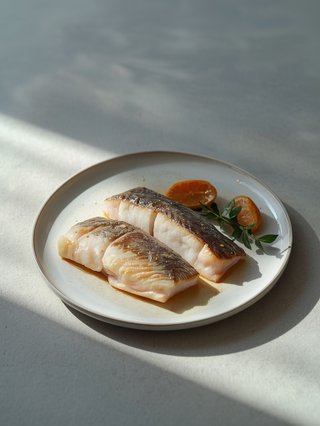
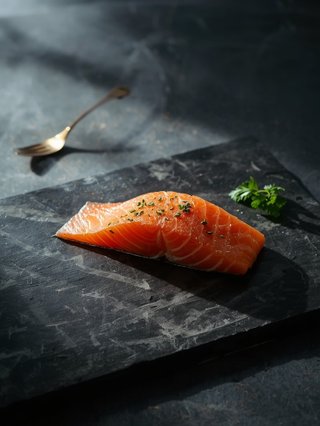
Shark (hammerhead shark) – what kind of fish is it, what does it eat, and is it really healthy?

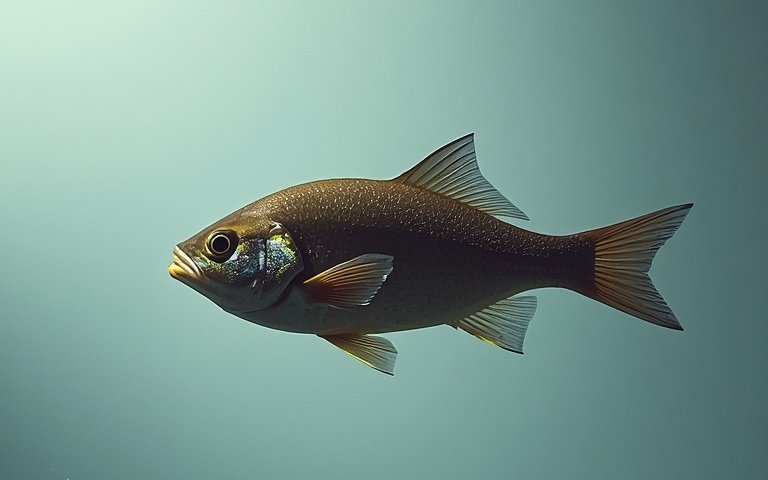
Table of Contents 5
Medical & Editorial Disclaimer (§3 Terms): This article is for informational and educational purposes only, does not constitute medical advice, diagnosis, or treatment, and is used at your own risk. Consult a qualified physician for medical conditions.
From a physiological and nutritional perspective, pangasius serves as a lean, low-energy source of digestible complete protein, yet unlike cold-water marine species such as salmon, mackerel, herring, or sardines, it provides negligible amounts of anti-inflammatory long-chain polyunsaturated fatty acids. Because this opportunistic omnivore possesses a vascularized swim bladder that allows facultative air-breathing in oxygen-depleted waters, it thrives in high-density commercial farming environments. Contrary to popular internet rumors, independent laboratory analyses conducted by marine fisheries researchers demonstrate that pangasius fillets do not accumulate dangerous levels of mercury, remaining far below regulatory safety thresholds compared to long-lived predatory ocean fish like swordfish or escolar.
In practical dietary planning, occasional consumption of pangasius poses no acute toxicological hazard to healthy adults, especially when selecting fillets carrying recognized aquaculture certifications that enforce strict water quality standards and prohibit prophylactic antibiotic use. Nevertheless, because this freshwater catfish fails to deliver the cardioprotective lipid profile expected from regular seafood meals, it should not replace nutrient-dense marine fish in a balanced diet. Vulnerable populations, including young children and pregnant or lactating women, are well advised to avoid uncertified fillets and prioritize higher-quality fish alternatives.
Pangasius (Pangasianodon hypophthalmus), taxonomically classified as the iridescent shark catfish and marketed commercially as basa or panga, is among the most widely consumed yet controversial freshwater fish on the global market. While consumers appreciate its affordability, boneless white fillets, and mild, neutral flavor, clinical nutritionists frequently point to its low omega-3 fatty acid content and the environmental conditions of intensive Mekong Delta aquaculture. Let us examine the scientific evidence, toxicological analyses, and true nutritional profile of pangasius.
What Kind of Fish Is Pangasius? Biological Profile of the Iridescent Shark Catfish
The fish marketed across grocery stores as panga or basa is biologically the iridescent shark catfish (Pangasianodon hypophthalmus)—a large freshwater teleost belonging to the shark catfish family (Pangasiidae), native to the major river basins of Southeast Asia, most notably the Mekong and Chao Phraya rivers. Its common name derives from its prominent, high-set dorsal fin and streamlined torso, which in juvenile specimens superficially resembles a small shark.
Virtually all pangasius fillets sold in Europe and North America originate from high-density commercial pond aquaculture in Vietnam's Mekong Delta, exported primarily as skinless, boneless, ice-glazed frozen fillets. Interestingly, juvenile iridescent sharks are also popular in ornamental fishkeeping due to their silvery iridescence, though wild adults grow to impressive dimensions exceeding 120 to 130 cm in length and up to 44 kg in weight, requiring massive aquatic habitats.
What Does Pangasius Eat in the Wild and in Commercial Aquaculture?
Iridescent shark catfish are opportunistic omnivores with remarkably adaptable feeding habits—a trait that, combined with their facultative air-breathing ability via a vascularized swim bladder, makes them inexpensive to farm at high stocking densities. In their native riverine ecosystems, pangasius feed on aquatic vegetation, algae, crustaceans, insect larvae, and small forage fish. In aquarium settings, they readily consume blanched lettuce, spinach, spirulina wafers, and standard pelleted fish feed.
In commercial Vietnamese aquaculture ponds, pangasius diets are formulated to maximize feed-conversion efficiency over a rapid 6-to-8-month grow-out cycle. Farmed stocks are fed extruded commercial pellets composed predominantly of soybean meal, rice bran, tapioca/cassava, and a modest fraction of byproduct fishmeal. This heavily plant-based feed regimen directly shapes the lipid composition of the fillet, resulting in very low concentrations of marine long-chain omega-3 fatty acids.
Is Pangasius Healthy? Nutritional Profile vs. Intensive Farming Controversies
From a basic macronutrient standpoint, pangasius is a lean, low-calorie protein source: 100 g of raw fillet provides roughly 85 to 92 kcal, 15 to 17 g of digestible complete protein, and only 1.5 to 2.0 g of total fat. However, unlike cold-water marine fish (such as salmon, mackerel, herring, or sardines), pangasius offers minimal nutritional value in terms of anti-inflammatory long-chain omega-3 polyunsaturated fatty acids (EPA and DHA)—supplying merely 0.03 to 0.08 g per 100 g—alongside negligible vitamin D and iodine.
The primary clinical concerns surrounding pangasius stem from intensive aquaculture practices and post-harvest processing:
- High-Density Stocking and Veterinary Inputs: Overcrowded pond conditions increase susceptibility to bacterial and parasitic outbreaks, historically prompting non-certified farms to rely on prophylactic antibiotics, disinfectants, and human chorionic gonadotropin (hCG) injections to induce spawning in captivity.
- Polyphosphate Water-Binding Additives: Frozen fillets are frequently treated with moisture-retaining polyphosphates (E452) and heavy ice glazes, causing the fish to shrink by 20–30% upon cooking while increasing dietary phosphorus and sodium intake.
Mercury and Heavy Metal Content in Pangasius – What Does Research Show?
Contrary to widespread internet myths, pangasius does not accumulate high concentrations of mercury. According to toxicological analyses conducted by the National Marine Fisheries Research Institute in Gdynia (MIR-PIB), pangasius fillets contain an average of approximately 10 µg (0.01 mg) of mercury per kilogram—fifty times below the European Union regulatory limit of 500 µg/kg. By comparison, long-lived predatory marine species such as butterfish (escolar), swordfish, or large tuna can exceed 300 µg/kg of methylmercury, and even wild freshwater roach (*Rutilus rutilus*) often shows higher mercury levels than farmed pangasius.
This low mercury level is explained by trophic biology: methylmercury biomagnifies up marine food chains over many years in apex predators, whereas farmed pangasius is harvested at 6 to 8 months of age on a predominantly plant-based diet. Nevertheless, independent monitoring studies have periodically detected variable trace levels of lead or cadmium in uncertified imports, reflecting localized sediment and water pollution in intensive pond systems.
Clinical Dietary Recommendations – Healthier Fish Alternatives to Pangasius
While occasional consumption of pangasius—particularly fillets bearing the ASC (Aquaculture Stewardship Council) certification, which enforces strict water-quality standards and prohibits prophylactic antibiotic use—poses no acute hazard to healthy adults, from a clinical nutrition standpoint it fails to deliver the cardioprotective benefits expected from eating fish twice a week. Avoiding uncertified pangasius is especially advised for young children, pregnant and lactating women, and patients with chronic hepatic or renal disease (given the kidney burden of added polyphosphates and potential trace contaminants).
To obtain high-biological-value protein alongside essential marine omega-3 fatty acids (EPA and DHA), vitamin D3, iodine, and selenium, replace pangasius with superior alternatives:
- Mild, lean white marine fish: Atlantic cod, wild Alaska pollock, hake, or coalfish/saithe (checking labels to ensure no added polyphosphates).
- Omega-3-rich fatty fish: Wild Pacific salmon, Atlantic mackerel, herring, sardines, or freshwater rainbow trout raised in clean flow-through raceways.
Want to apply these guidelines in your daily diet?
Our smart diet generator creates a tailored meal plan in 3 minutes based on the recommendations in this article.

Julia Wójcik
• 25.11.2026Diets Premium Expert
Diets Premium team expert. Specializes in nutrition plans, strength sports, and training plans.