Nutrition of the Elderly - Dietary Changes, Deficiencies


Table of Contents 3
Medical & Editorial Disclaimer (§3 Terms): This article is for informational and educational purposes only, does not constitute medical advice, diagnosis, or treatment, and is used at your own risk. Consult a qualified physician for medical conditions.
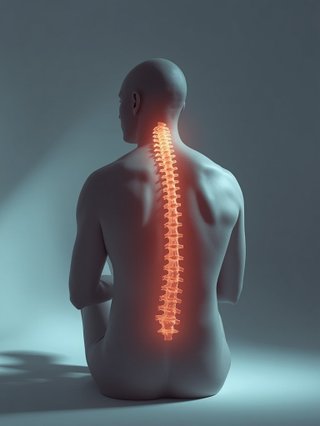
Throughout the aging journey, several internal mechanisms shift, impacting appetite and digestive capacity. Reduced salivary output often leads to dry mouth and diminished desire for food, while a weakened sense of smell impairs taste perception. Dental challenges complicate chewing, which directly hampers the initial stages of digestion—a process further strained by decreased gastric acid and enzyme secretion. Consequently, seniors face a heightened vulnerability to micronutrient deficiencies, notably involving B-complex vitamins, vitamins A, C, E, folic acid, calcium, and vitamin D, which can compromise bone integrity and metabolic stability.
To promote long-term well-being and protect skeletal health, nutritional strategies should focus on elevated nutrient density. Meals ought to feature lean poultry, low-fat dairy, whole grains, and a colorful array of fresh vegetables and fruits to supply essential antioxidants and minerals. Maintaining constant fluid intake throughout the day is critical to prevent dehydration. Additionally, consistent year-round vitamin D supplementation alongside sufficient calcium intake offers evidence-based support for bone density, helping to reduce the risk of fractures and nutritional imbalances.
Physiological changes in the body during aging
Nutritional Guidelines for Seniors – Key Principles
Older adults and vitamin and micronutrient deficiencies
Want to apply these guidelines in your daily diet?
Our smart diet generator creates a tailored meal plan in 3 minutes based on the recommendations in this article.
Tags

Katarzyna Mazur
• 25.11.2026Diets Premium Expert
Diets Premium team expert. Specializes in nutrition plans, strength sports, and training plans.