Key Takeaways
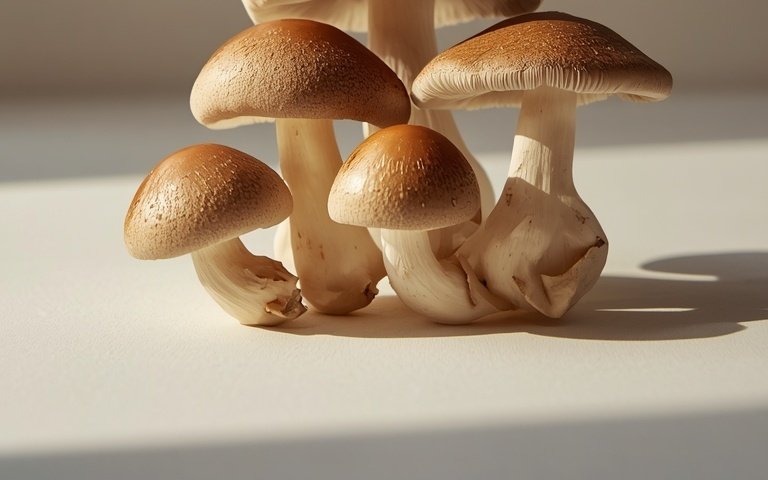
Mushrooms have long been an essential element of traditional Polish cuisine, utilized in both fresh and dried forms to enrich classic dishes such as dumplings and croquettes. Alongside wild forest varieties and widely available cultivated mushrooms, imported Asian species have increasingly expanded the culinary landscape with new flavors. Although mushroom consumption in Poland remains lower than in countries like the Netherlands or Japan, these ingredients offer notable nutritional qualities that extend well beyond their culinary appeal.
From a nutritional perspective, fresh mushrooms are characterized by a remarkably low energy density due to their high water content, making them a practical addition to weight-management diets. They also provide substantial amounts of dietary fiber, including structural fractions such as cellulose, lignin, and chitin, which help support daily fiber intake even though they may prove challenging for individuals with sensitive digestive systems. The primary health hazard associated with mushroom consumption is acute food poisoning, which typically arises when inexperienced gatherers misidentify toxic or inedible wild forest species.
To safely incorporate mushrooms into a balanced daily diet, consumers should prioritize sourcing products from controlled cultivation or certified suppliers to reduce the risk of poisoning to a minimum. Those who forage for wild mushrooms must strictly limit their harvest to varieties they can identify with absolute certainty. Furthermore, individuals with delicate digestion can benefit from consuming moderate amounts and choosing gentle preparation methods to enjoy the flavor and fiber of mushrooms comfortably.
Mushrooms have been an integral part of Polish cuisine for a long time, present in both fresh and dried form. Several traditional dishes cannot do without them, such as pierogi, croquettes. There are many enthusiasts of forest mushrooms, although there are also those who prefer cultivated mushrooms. The market offers something for every taste. For some time, there have also been imported mushrooms from Asia, allowing for the discovery of new flavors. Nevertheless, Poles consume much less mushrooms than the inhabitants of the Netherlands or Japan. Do mushrooms have any other benefits besides their taste? The answer to this question can be found in the following article.
01 / 02
Mushrooms: Comprehensive Health Benefits and Nutritional Profiles Worth Exploring
One of the most notable characteristics of mushrooms is their remarkably low caloric content—under 50 kcal per 100 g of fresh product—primarily due to their high water composition. This makes them an excellent addition to weight-loss diets. Additionally, mushrooms serve as a rich source of dietary fiber, which, while potentially challenging for individuals with sensitive digestive systems, helps meet daily fiber requirements. Among the fiber fractions present are cellulose, lignin, chitin, chitosan, and β-glucans, which exhibit cholesterol-lowering, anticancer, and immune-boosting properties. Of particular significance are the β-glucans found in oyster mushrooms, which are utilized in adjunctive cancer therapies across Asia. Mushrooms also contain minimal simple sugars, rendering them suitable for low-sugar diets, and trace amounts of fat, predominantly unsaturated fatty acids. However, their true value lies in the fat-soluble bioactive compounds they contain, including vitamin D (with 100 g fulfilling the entire daily requirement) and carotenoids such as beta-carotene and lycopene, present in concentrations comparable to those in tomatoes and bell peppers. Consequently, mushrooms should be incorporated into the diets of individuals with osteopenia, osteoporosis, or other bone-related conditions. Furthermore, their antioxidant content supports the maintenance of youthful, healthy skin. Although mushroom protein is considered incomplete—lacking essential amino acids such as cysteine, isoleucine, and methionine—its biological value surpasses that of most plant-based proteins. An additional advantage is the presence of α-aminobutyric acid (GABA), a crucial neurotransmitter, and ornithine, which plays a role in the body’s detoxification processes. Research on oyster mushrooms and shiitake has demonstrated their functional proteins’ anti-inflammatory, antibacterial, and anticancer properties. Due to their high mineral content, mushrooms possess alkalizing properties, making them a valuable component of an alkalizing diet, which is also recommended for hypertension management. They are abundant in B vitamins (B1, B2, B3), with levels exceeding those found in meat and dairy products, as well as minerals such as magnesium, calcium, sulfur, manganese, chromium, iron, and cobalt. The presence of antioxidants suggests that regular mushroom consumption may help reduce inflammatory conditions. Equally important is their contribution to flavor enhancement in dishes—mushrooms contain aromatic compounds and umami-associated substances, which are particularly beneficial in low-sodium diets, where salt reduction does not necessarily compromise taste.
Want to apply these guidelines in your daily diet?
Our smart diet generator creates a tailored meal plan in 3 minutes based on the recommendations in this article.