Lemon water for bladder inflammation – mechanisms of action, citrates, and urological prevention
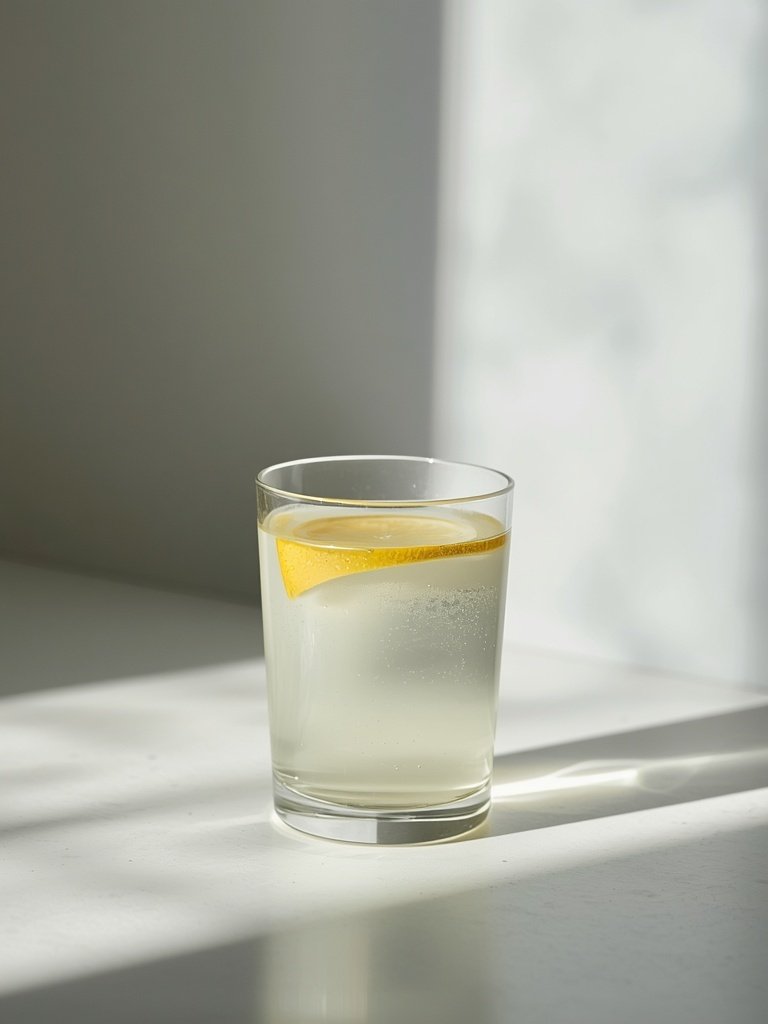
Table of Contents 3
Medical & Editorial Disclaimer (§3 Terms): This article is for informational and educational purposes only, does not constitute medical advice, diagnosis, or treatment, and is used at your own risk. Consult a qualified physician for medical conditions.
While fresh lemon juice is acidic prior to ingestion, its organic citric acid is rapidly oxidized during metabolic processes to produce bicarbonate precursors. This creates a systemic alkalinizing effect that elevates urinary pH. Less acidic urine causes significantly less irritation to inflamed urothelial tissues, providing relief from dysuria. Furthermore, the increased fluid intake accelerates urine production, physically flushing out pathogenic microbes, while natural vitamin C provides antioxidants that support overall tissue resilience.
To establish long-term urological support, lemon water can be integrated into a broader botanical and nutritional protocol. Natural compounds such as D-mannose help neutralize bacterial adhesion mechanisms, while active cranberry extracts further prevent microbes from clinging to bladder walls. Combined with supportive herbal infusions and consistent daily hydration, this approach offers an effective, non-invasive habit to foster ongoing urinary tract health.
Etiology of Urinary Tract Infections and the Critical Role of Fluid Diuresis
Urinary tract infections (UTIs), notably acute uncomplicated bacterial cystitis, rank among the most prevalent outpatient bacterial infections globally. In over 80–85% of cases, the causative pathogen is uropathogenic Escherichia coli (UPEC), which ascends the urethra, adheres to the bladder umbrella urothelium via specialized type 1 and P fimbriae, and triggers acute inflammation.
Clinical presentations classically feature dysuria (stinging or burning micturition), pollakiuria (urinary frequency), urgency, suprapubic discomfort, and cloudy, malodorous urine. Female anatomical architecture—notably a short urethra situated in close proximity to the anus—confers heightened vulnerability to recurrent episodes.
The primary non-pharmacological pillar of UTI management and prevention is vigorous mechanical diuresis. Elevating daily fluid intake to 2.5–3.0 liters dilutes urinary bacterial colony counts and accelerates micturition frequency, thereby physically sweeping detached bacteria out of the urinary tract before colonization can establish an intractable biofilm.
Impact of Lemon Juice on the Urinary System: Citrate, Urine Alkalinization, and Vitamin C
Infusing water with freshly squeezed lemon juice introduces key biochemical constituents that uniquely modulate urinary tract dynamics:
- Citrates and Systemic Urinary Alkalinization: Although lemon juice is inherently acidic in vitro, dietary citric acid is rapidly metabolized via the citric acid cycle in the liver into bicarbonate anions, imparting a systemic alkalinizing effect. Elevating urinary pH and citrate excretion directly soothes painful dysuria, as highly acidic urine exacerbates inflamed, denuded urothelial pain receptors.
- Inhibition of Crystal Nucleation: Urinary citrates chelate free calcium ions, preventing the precipitation of insoluble calcium oxalate crystals that cause micro-abrasions to the bladder wall and facilitate bacterial adherence.
- Ascorbic Acid (Vitamin C) and Citrus Bioflavonoids: Vitamin C provides essential antioxidant defense, supports phagocytic leukocyte activity, and helps maintain mucosal integrity. Citrus bioflavonoids such as hesperidin and rutin exert complementary anti-inflammatory effects.
Holistic UTI Prevention: Phytotherapy, D-Mannose, and Urological Protocols
To effectively mitigate recurrent cystitis, integrating lemon water into a broader, evidence-based preventive lifestyle protocol is highly recommended:
- D-Mannose: An unabsorbed monosaccharide excreted intact into urine, where it competitively binds the FimH adhesin of E. coli, neutralizing bacterial adhesion to bladder walls.
- Cranberry Extracts (PAC-A): Standardized for proanthocyanidins type A, cranberry compounds interfere with microbial pili adherence.
- Supportive Phytotherapy: Infusions of stinging nettle, horsetail, and birch leaf exert gentle diuretic and saluretic effects, promoting urinary throughput.
- Dietary Exclusions: During active inflammation, eliminate bladder irritants including ethanol, concentrated caffeine, hot chili spices, and carbonated beverages.
Clinical Red Flags: If urinary symptoms are accompanied by high fever, flank or costovertebral angle tenderness, hematuria, or nausea, acute pyelonephritis must be suspected. Immediate medical evaluation and prescription antimicrobial therapy are mandatory.
Want to apply these guidelines in your daily diet?
Our smart diet generator creates a tailored meal plan in 3 minutes based on the recommendations in this article.

mgr Tim Klein
• 25.11.2026Diets Premium Expert
Diets Premium team expert. Specializes in nutrition plans, strength sports, and training plans.