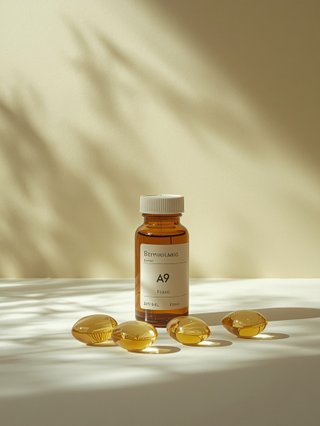
L-ascorbic acid and D-ascorbic acid: comparison of natural and synthetic forms

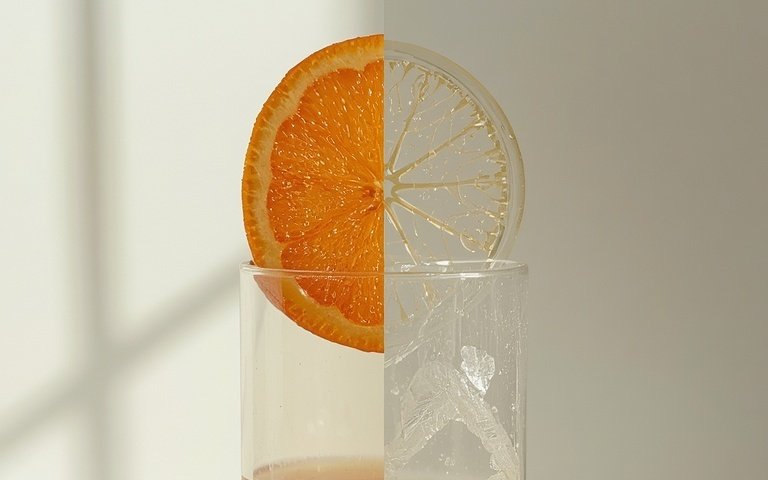
Table of Contents 3
Medical & Editorial Disclaimer (§3 Terms): This article is for informational and educational purposes only, does not constitute medical advice, diagnosis, or treatment, and is used at your own risk. Consult a qualified physician for medical conditions.
Physiologically, ascorbic acid functions as a potent antioxidant, neutralizing free radicals and playing a critical role in collagen synthesis, which maintains the structural integrity of skin, bones, and connective tissues. It also enhances non-heme iron absorption, supports neuroendocrine pathways, and aids immune defense. Crucially, only the L-ascorbic acid isomer is biologically active and absorbed by the human gastrointestinal tract, whereas the D-form lacks functional physiological activity. While synthetic ascorbic acid delivers a pure, cost-effective molecule, natural plant sources such as citrus fruits, berries, bell peppers, broccoli, and kale supply a complex matrix of bioactive polyphenols and flavonoids. These co-factors protect the ascorbic acid molecule from oxidative damage and enhance its intestinal uptake.
To achieve optimal health benefits, daily nutrition should prioritize a diverse intake of fresh fruits and vegetables to leverage the natural synergy between ascorbic acid and plant-derived antioxidants. Dietary supplements can serve as a practical addition during times of increased physical demand, but whole foods remain the gold standard for comprehensive nutritional support. Emphasizing fresh, nutrient-dense produce promotes robust immune function, healthy tissue repair, and resilient cellular defense.
The market for dietary supplements and pharmaceuticals offers a wide range of products based on ascorbic acid, ranging from isolated synthetic forms to naturally derived sources. However, what are the true distinctions in bioavailability and biological activity between synthetically manufactured vitamin C and its naturally occurring counterpart in foods? Do variants of this compound with divergent spatial configurations—such as dextrorotatory (D-) and levorotatory (L-) forms—exist, and if so, do they exhibit equivalent therapeutic efficacy and identical mechanisms of action at the cellular and metabolic levels? This article explores the scientific foundations, clinical implications, and practical considerations of these differences.
The Biological Functions of Vitamin C: Antioxidant Properties, Collagen Synthesis, and Beyond
Vitamin C, or ascorbic acid, plays a multitude of critical roles in the human body. Its primary functions include acting as a potent antioxidant, aiding in collagen synthesis for skin, connective tissues, and bones, and facilitating the synthesis of neurotransmitters and hormones such as carnitine and cortisol. Additionally, it enhances iron absorption, supports wound healing, and modulates immune function. Natural sources like citrus fruits, berries, broccoli, bell peppers, and kale are particularly rich in vitamin C. While synthetic ascorbic acid can mimic some of these biochemical processes, it often lacks the accompanying bioflavonoids and secondary plant compounds found in natural foods, which enhance bioavailability and therapeutic efficacy.
Natural vs. Synthetic Ascorbic Acid: Compositional and Functional Differences
Natural vitamin C, as found in fruits and vegetables, is not an isolated molecule but a complex mixture of ascorbic acid, bioactive polyphenols, flavonoids, and other secondary plant compounds. These co-factors not only enhance the antioxidant activity but also improve intestinal absorption and protect ascorbic acid molecules from oxidative degradation. In contrast, synthetic ascorbic acid is a pure, crystalline molecule that, while cost-effective to produce, lacks the synergistic effects of natural sources. Research indicates that natural vitamin C sources often exhibit higher biological availability and fewer side effects, such as kidney stones or digestive issues. Additionally, they frequently contain trace elements like copper or manganese, which are essential for optimal vitamin C utilization.
Optical Isomerism of Ascorbic Acid: Myth vs. Reality
A common misconception is that only the levorotatory (L-) form of ascorbic acid is biologically active, while the dextrorotatory (D-) form is ineffective. In reality, only one biologically relevant form of ascorbic acid exists: the L-form (L-ascorbic acid). The D-form is practically not absorbed by the human body and has no measurable physiological effect. The terms „dextrorotatory“ and „levorotatory“ refer to the ability of a substance to rotate polarized light to the right or left—a purely physical phenomenon unrelated to biological activity. Synthetic ascorbic acid is almost always the L-form, as the D-form is useless for pharmaceutical purposes. However, some dietary supplements contain a mixture of both forms, which significantly reduces bioavailability. For optimal efficacy, it is therefore recommended to consume natural vitamin C sources or high-quality synthetic preparations that contain only the L-form.
Want to apply these guidelines in your daily diet?
Our smart diet generator creates a tailored meal plan in 3 minutes based on the recommendations in this article.
Tags

mgr Tim Klein
• 25.11.2026Diets Premium Expert
Diets Premium team expert. Specializes in nutrition plans, strength sports, and training plans.