Kiwi – exotic fruit treasure
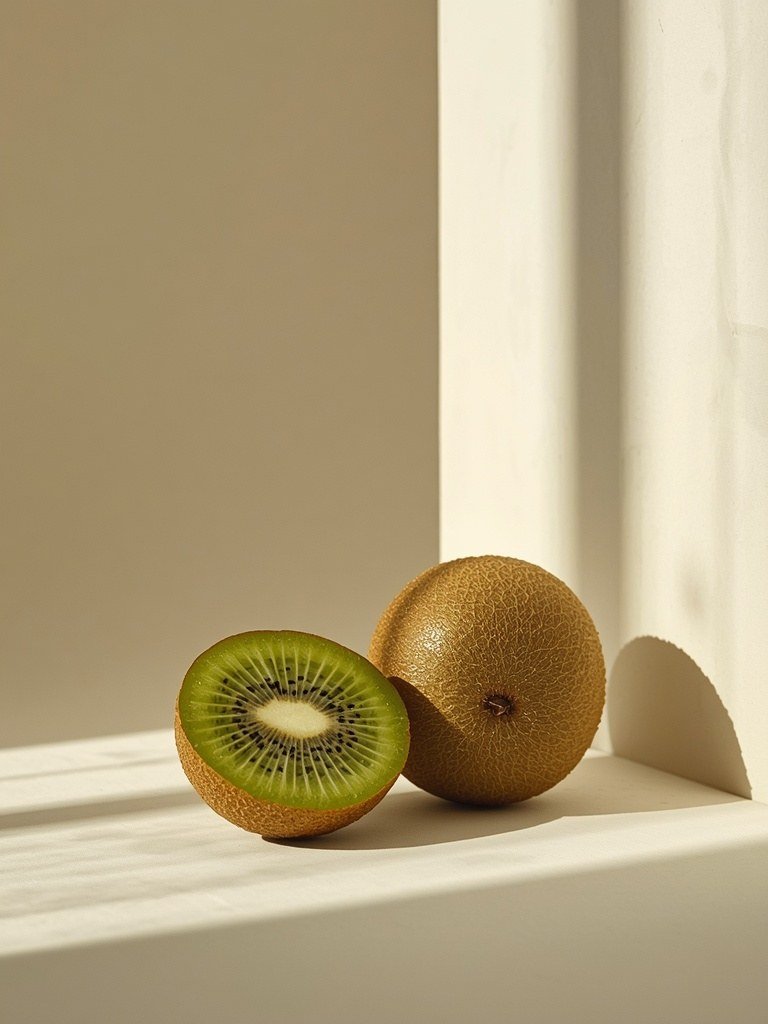
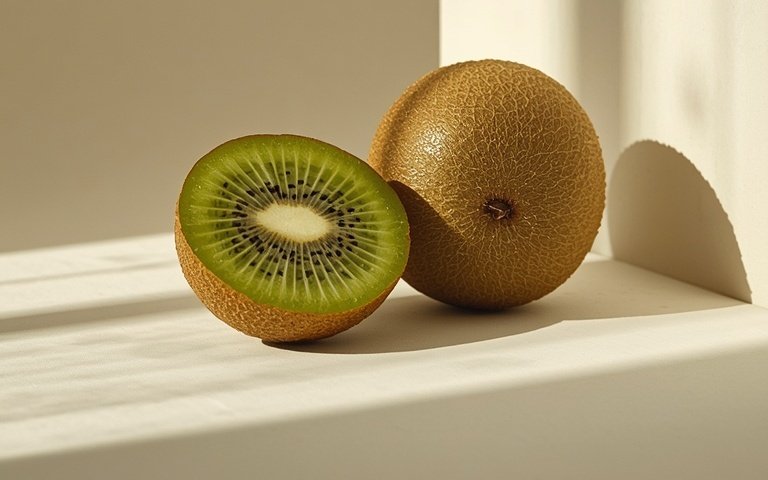
Table of Contents 3
Medical & Editorial Disclaimer (§3 Terms): This article is for informational and educational purposes only, does not constitute medical advice, diagnosis, or treatment, and is used at your own risk. Consult a qualified physician for medical conditions.
From a physiological standpoint, kiwifruit is particularly renowned for its extraordinary concentration of vitamin C, a critical antioxidant. This nutrient plays a pivotal role in collagen biosynthesis, thereby supporting skin integrity, microvascular resilience, and the structural strength of articular cartilage. Furthermore, its accumulation within lymphocytes enhances immunomodulatory functions. The overall nutritional architecture features dietary fiber, natural carbohydrates, and quality plant-based protein with a negligible fat content, promoting optimal digestive function and cellular protection.
In daily culinary practice, the kiwi is both versatile and invigorating. It is perfectly suited for direct raw consumption by simply halving the fruit and scooping out the juicy flesh. Beyond fresh snacking, its tangy flavor profile enhances nutrient-rich fruit salads, blended smoothies, and warm breakfast bowls made with oatmeal or millet porridge. Its unique biochemical properties also render it a valuable addition to homemade baked goods, adding a vibrant and health-supportive dimension to everyday meals.
Kiwifruit as a nutrient-dense source of vitamins and minerals – a detailed examination of its biochemical components and health implications
Kiwifruit and caloric value: What is the actual calorie count of this fruit?
Culinary and decorative applications of kiwi: comprehensive uses of this versatile fruit
Want to apply these guidelines in your daily diet?
Our smart diet generator creates a tailored meal plan in 3 minutes based on the recommendations in this article.

Kacper Nowak
• 25.11.2026Diets Premium Expert
Diets Premium team expert. Specializes in nutrition plans, strength sports, and training plans.