Jerusalem artichokes – ingredients, contraindications, preparation method
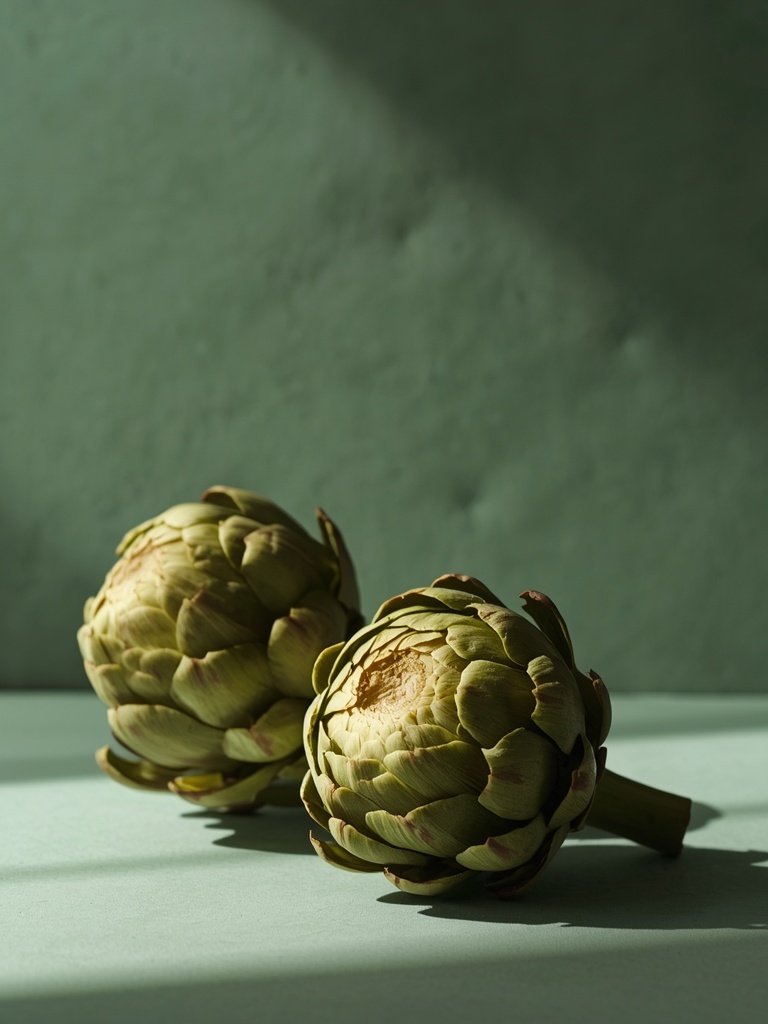
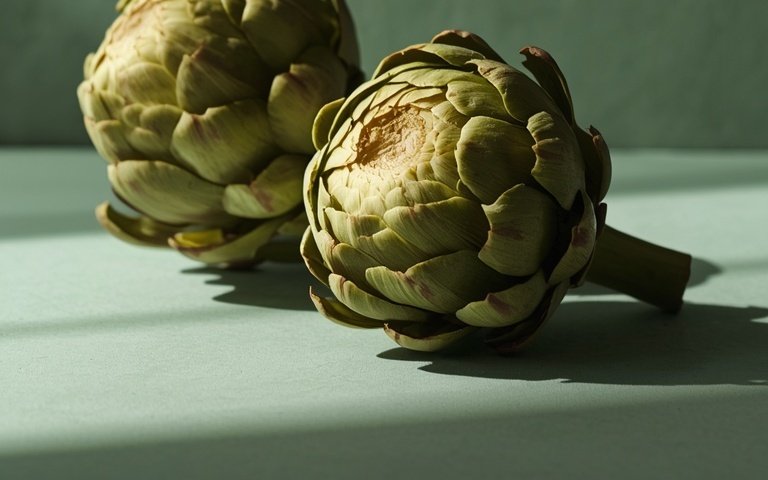
Table of Contents 4
Medical & Editorial Disclaimer (§3 Terms): This article is for informational and educational purposes only, does not constitute medical advice, diagnosis, or treatment, and is used at your own risk. Consult a qualified physician for medical conditions.
The notable physiological properties of the globe artichoke stem from a dense concentration of bioactive compounds, including flavonoids, luteolin glucosides, and phenolic acids such as caffeic and chlorogenic acid. Experimental and clinical evidence suggests that these phytochemicals play a supportive role in human health, particularly by helping to modulate glucose metabolism. While artichokes demonstrate high tolerability for the vast majority of individuals, it is important to note that occasional mild gastrointestinal disturbances, such as transient abdominal distension, can occur, and direct dermal exposure to plant material or extracts may occasionally trigger localized cutaneous reactions like erythema or urticaria in sensitive individuals.
Incorporating artichokes into daily meal preparation is straightforward once the fundamental cleaning technique is mastered, whether using fresh heads or convenient canned and frozen alternatives. When working with fresh artichokes, preparation begins by trimming the tough stem, stripping away the fibrous outer leaves, and halving the vegetable lengthwise to carefully excise the inner leaves and fuzzy choke with a sharp knife. Submerging the trimmed halves in water acidulated with apple cider vinegar or freshly squeezed lemon juice effectively preserves their vibrant natural hue prior to cooking, ensuring an appealing and nutrient-dense dish.
Edible artichokes of a thickness not exceeding ten millimetres
The globe artichoke, scientifically designated as Cynara cardunculus, represents a perennial rosette-forming plant of substantial agronomic significance. Its cultivation is highly favoured owing to the abundant yields it produces, which can be harvested systematically over a period exceeding half a decade. Nevertheless, the plant attains its peak productivity during the third year of vegetative growth, at which point it achieves optimal capacity for generating edible portions. Within the context of the global food economy, the artichoke assumes a pivotal role, particularly in the Mediterranean basin, where its cultivation not only satisfies local demand but also serves as a critical driver of regional economic advancement. The foremost global producers of this plant include nations such as Italy, Spain, France, and Greece, as well as regions like California in North America, alongside areas in South America, Turkey, and Iran.
Historical records confirm that the artichoke was employed as a medicinal plant as early as the fourth century BCE, positioning it among the oldest cultivated species worldwide. Its nutritional value is equally impressive—given its low caloric content (merely 50 kilocalories per 100 grams), it constitutes an excellent ingredient for weight-reduction diets and balanced nutritional regimens for individuals committed to maintaining a healthy body weight or addressing overweight concerns. Furthermore, its richness in dietary fibre, vitamins, and minerals further consolidates its status as a valuable component of a health-conscious diet.
Globe artichoke – a comprehensive analysis of its health-promoting properties and biological mechanisms of action
Artichokes: Contraindications, Precautions, and Adverse Reaction Profiles
A comprehensive step-by-step guide to properly cleaning and cooking artichokes
Want to apply these guidelines in your daily diet?
Our smart diet generator creates a tailored meal plan in 3 minutes based on the recommendations in this article.
Tags

Anna Schmidt
• 25.11.2026Diets Premium Expert
Diets Premium team expert. Specializes in nutrition plans, strength sports, and training plans.