Is it really the Delboeuf illusion, or does plate size matter?
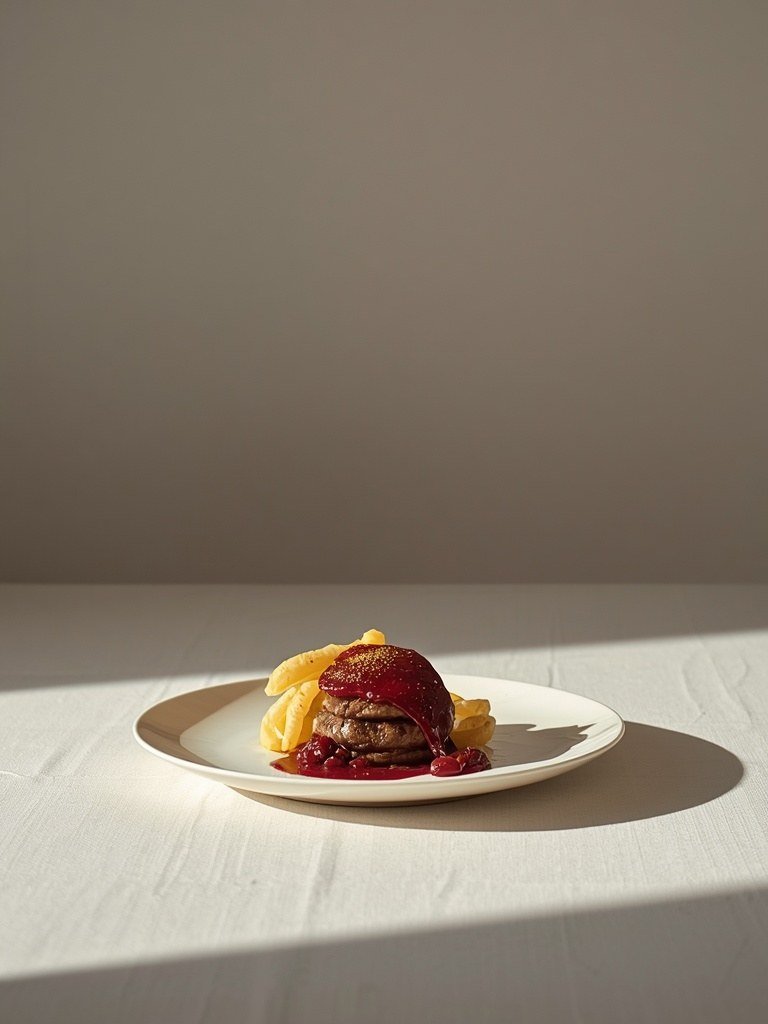
Table of Contents 2
Medical & Editorial Disclaimer (§3 Terms): This article is for informational and educational purposes only, does not constitute medical advice, diagnosis, or treatment, and is used at your own risk. Consult a qualified physician for medical conditions.
At the core of these physiological and psychological reactions lies a classic optical illusion governing how the human brain evaluates dimensions based on immediate surroundings. The interplay between contrast and visual similarity dictates that the perceived size of a food portion changes dramatically depending on the boundaries of the plate framing it. When the human visual system processes these spatial relationships, the resulting illusion directly alters our perception of sufficiency, thereby shaping the actual amount of food we decide to consume.
Translating these insights into practical everyday guidance offers valuable tools for mindful eating and gentle portion control. By selecting tableware devoid of highly pronounced, contrasting borders, individuals can mitigate the strength of this visual distortion and encourage a more natural self-regulation of intake. Such straightforward environmental modifications support a balanced lifestyle and contribute to long-term nutritional health without relying on restrictive dietary rules.
This is Delboeuf's illusion
Is there an effective method to circumvent the Delboeuf optical illusion when assessing portion sizes?
Want to apply these guidelines in your daily diet?
Our smart diet generator creates a tailored meal plan in 3 minutes based on the recommendations in this article.
Tags

Literatura:
Diets Premium Expert
Diets Premium team expert. Specializes in nutrition plans, strength sports, and training plans.