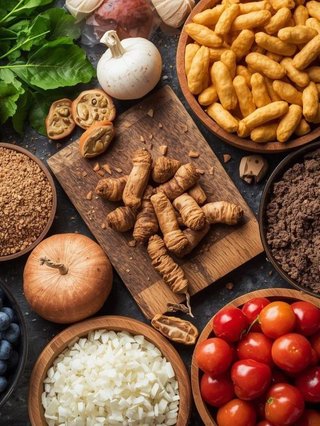
Is it worth using flaxseeds?
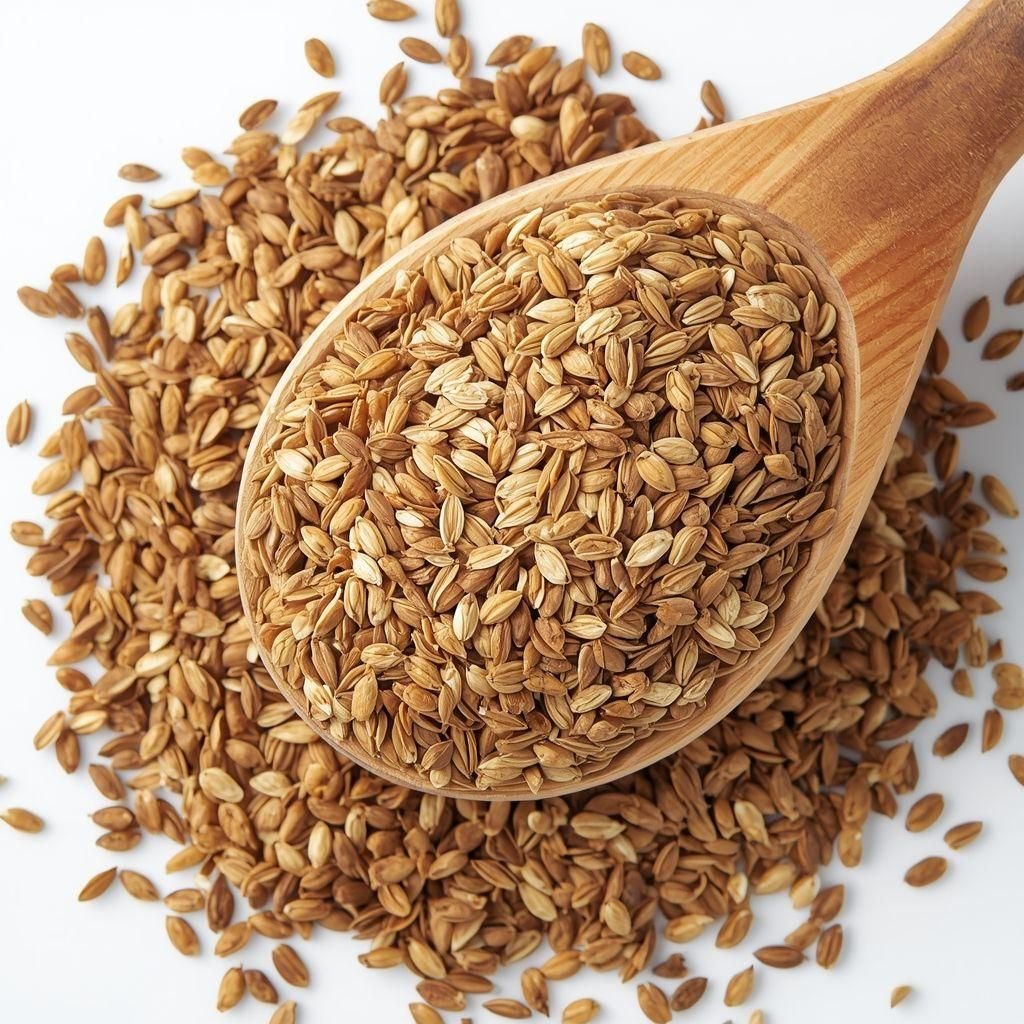
Table of Contents 3
Medical & Editorial Disclaimer (§3 Terms): This article is for informational and educational purposes only, does not constitute medical advice, diagnosis, or treatment, and is used at your own risk. Consult a qualified physician for medical conditions.
From a nutritional perspective, flaxseeds provide a dense matrix of polyunsaturated and monounsaturated fatty acids, easily digestible plant proteins, and B-complex vitamins such as thiamine and pyridoxine. A defining characteristic of the seeds occurs upon hydration, when they darken in color, expand in volume, and form a soothing mucilaginous coating. This natural mucilage helps coat and calm the gastric lining during bouts of stomach upset or acidity, while the abundant dietary fiber—predominantly soluble fiber—supports healthy intestinal peristalsis during both constipation and diarrhea, and contributes to maintaining favorable total and low-density lipoprotein cholesterol levels for cardiovascular wellness.
Incorporating flaxseeds systematically into daily meals offers an accessible way to enrich the diet with essential unsaturated fats, quality protein, and soluble fiber. For those seeking gentle digestive support, allowing the seeds to soak in water before consumption unlocks their protective mucilage properties. Making flaxseeds a regular staple in everyday nutrition serves as a practical strategy to support digestive harmony and long-term bodily function.
What are the properties of flaxseeds and what components do they consist of?
The properties and applications of flaxseeds – description
Summary of benefits and applications of flaxseed
Want to apply these guidelines in your daily diet?
Our smart diet generator creates a tailored meal plan in 3 minutes based on the recommendations in this article.

mgr David Janitzek
• 25.03.2026Diets Premium Expert
Diets Premium team expert. Specializes in nutrition plans, strength sports, and training plans.