How to lose excess weight after the winter season? Expert tips


Table of Contents 4
Medical & Editorial Disclaimer (§3 Terms): This article is for informational and educational purposes only, does not constitute medical advice, diagnosis, or treatment, and is used at your own risk. Consult a qualified physician for medical conditions.
Colder temperatures and shorter daylight hours naturally stimulate food cravings during winter, as the body seeks nutritional energy to support internal heat production. When basic meals are frequently supplemented with calorie-dense snacks, excess adipose tissue can accumulate, potentially contributing to health risks such as elevated blood pressure, insulin resistance, or diabetes. The arrival of spring brings longer days and milder weather, offering an ideal physiological and psychological opportunity to increase daily energy expenditure through outdoor physical activity.
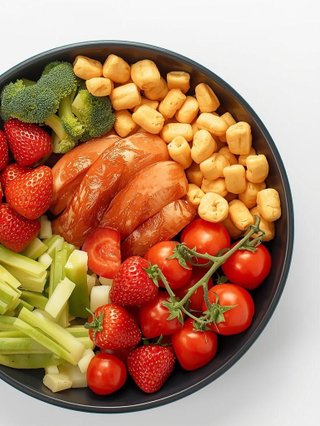
Adopting a structured eating rhythm with regular meals spaced evenly throughout the day helps stabilize appetite and prevent impulsive snacking both during and after the colder months. Incorporating warm dishes such as oatmeal, porridge, or scrambled eggs for breakfast, alongside nourishing soups and blended vegetable creams later in the day, satisfies the need for warmth while reducing cravings for sweets and cookies. Pairing these mindful nutritional choices with consistent outdoor movement like walking or running—and seeking guidance from a qualified dietitian when needed—provides a sustainable foundation for healthy weight management.
Why do we consume more food during the winter?
Can one lose excess winter kilograms in spring?
Are there methods to prevent excessive weight gain in the winter season?
Overview
Want to apply these guidelines in your daily diet?
Our smart diet generator creates a tailored meal plan in 3 minutes based on the recommendations in this article.

mgr Tim Klein
• 23.03.2026Diets Premium Expert
Diets Premium team expert. Specializes in nutrition plans, strength sports, and training plans.