Key Takeaways
The liver serves as a primary metabolic hub and is uniquely vulnerable to the toxic effects of psychoactive substances like alcohol. Excessive intake can trigger profound metabolic disturbances and direct organ damage, impacting overall systemic health. Recognizing the importance of liver health is the first step toward recovery, as this organ is responsible for managing essential nutrients and filtering harmful compounds from the bloodstream.
Physiological restoration of the liver involves a strategic dietary approach focused on reducing metabolic stress. By limiting high-fat foods and ensuring an adequate supply of proteins, the body can better prevent the accumulation of lipids within liver cells. Shifting from simple sugars to complex carbohydrates further supports the organ's role in glucose management, providing a steady energy source that facilitates cellular repair and functional recovery without overwhelming the metabolic pathways.
Practical daily guidance emphasizes the consumption of easily digestible meals distributed evenly throughout the day. Prioritizing nutrient-dense ingredients while avoiding processed sugars and heavy fats creates an environment conducive to natural regeneration. Consistent adherence to these nutritional principles, combined with mindful food choices, helps support the liver's innate ability to heal and contributes to long-term metabolic stability and vitality.
Alcohol, being one of the most harmful psychoactive substances, can lead to addiction and metabolic disorders [1]. As with most consumed substances, its detrimental effects depend on the dosage and frequency of intake. However, it is crucial to recognize that certain individuals may be more susceptible to addiction and metabolic disturbances, which can result in severe health implications.
01 / 02
What do you do to regenerate your liver after drinking?
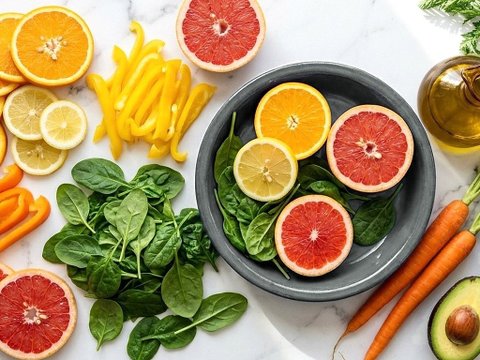
Alcohol is one of the top carcinogenic factors worldwide. Its consumption is associated with the risk of approximately 60 diseases, and it is also estimated to indirectly contribute to the occurrence of about 200 other diseases. It is widely known that the organs most susceptible to the toxic effects of alcohol are the brain and the liver [3, 4]. While the effect on the brain is indirect, the risk of damage to the liver is direct. It is worth thinking about the state of the liver before and during alcohol consumption. One should avoid large amounts of heavy, hard-to-digest foods, spicy and sharp products, and above all, highly processed ones. The type of alcohol consumed may also be important: from a metabolic point of view, it is better to choose, for example, pure vodka instead of colored vodka or gin and whisky, and white wine instead of red wine. It is important to note that even one uncontrolled evening ending in alcohol poisoning can lead to the damage of certain tissues. It should be remembered that almost every alcoholic beverage available on store shelves, other than ethanol, contains certain amounts of much more toxic methanol. Regular consumption of methanol and ethanol, high levels of acetic aldehyde in the body, and intense oxidative stress give rise to fatty liver, fibrosis, cirrhosis, and liver cancer. Furthermore, these factors may affect carcinogenesis in other tissues, and also negatively affect the condition of the stomach and intestines – which also carries a number of serious health consequences. Considering both liver protection and regeneration after alcohol, it is also worth looking at fruits and fruit juices – because not every fruit is healthy when consumed with alcohol. Examples include blackcurrant, quince, and tomato – their concurrent intake with alcohol may lead to the deregulation of liver enzyme activity, which will spread out alcohol metabolism over time, forcing the liver to work longer. Tomato juice, due to its potassium content, may aid in recovery after alcohol consumption, however, blackcurrant nectar should rather be avoided or heavily diluted. Conversely, lemon, pear, mango, and melon exhibit regenerative effects [5]. When looking for support for the body in combating the effects of alcohol consumption, it is also worth looking at certain hormones and dietary supplements. Drinking leads to the deregulation of cortisol and norepinephrine metabolism, which can result in mental disorders, depression, and other addictions. Cortisol plays a significant role in well-being during the so-called hangover, while norepinephrine may affect liver fibrosis processes. Proper supplementation can limit the side effects of alcohol consumption to some extent. For example, betaine, which is a methyl group donor, protects the liver from fibrosis, while ornithine, which is a non-protein amino acid, regulates high cortisol levels and associated consequences [6, 7].. Among dietary supplements with a positive effect on hangovers and alcohol-related disease – addiction and its consequences – a number of substances are mentioned [8].. Products that support the body and liver after drinking, i.e., during a hangover and associated ailments, are dietary supplements based on kudzu roots and flowers, ewodia fruits, yarrow seeds, sweet marjoram, thyme extract, ginger, parsley, or prickly pear. For long-term alcoholism, St. John's wort, red sage, Siberian tarragon, or Chinese cynowood may help.
Want to apply these guidelines in your daily diet?
Our smart diet generator creates a tailored meal plan in 3 minutes based on the recommendations in this article.