How to maintain a healthy blood pressure level and identify the richest sources of potassium!

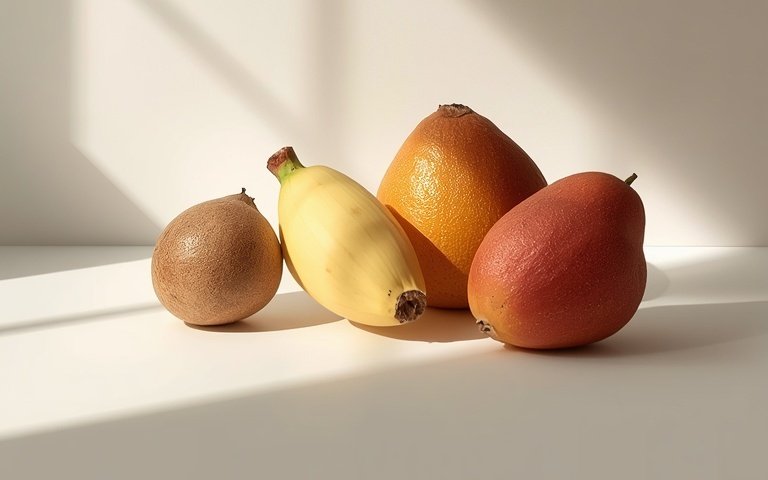
Table of Contents 5
Medical & Editorial Disclaimer (§3 Terms): This article is for informational and educational purposes only, does not constitute medical advice, diagnosis, or treatment, and is used at your own risk. Consult a qualified physician for medical conditions.
Throughout the exploration of this topic, we examine how potassium functions as a primary intracellular cation to promote vasodilation and assist the kidneys in balancing sodium levels. Modern dietary patterns often feature an unbalanced sodium-to-potassium ratio due to a high intake of processed foods, which can negatively impact endothelial health. Incorporating nutrient-dense whole foods such as dried fruits, legumes, seeds, and tuber vegetables helps restore this vital equilibrium, while understanding proper culinary techniques ensures maximum mineral retention during meal preparation.
In daily practice, adopting a heart-healthy approach involves swapping heavily processed items for fresh, whole-plant alternatives and prioritizing gentle cooking methods like steaming or roasting to preserve water-soluble minerals. Embracing these wholesome dietary adjustments naturally supports daily well-being and vascular resilience, though readers should always seek professional medical guidance for any specific health concerns or diagnosed conditions.
The Role of Potassium in Blood Pressure Regulation
Potassium (K+) is the predominant intracellular cation that, in close tandem with sodium, generates cellular resting and action potentials. One of potassium's primary cardiovascular mechanisms is promoting vasodilation by hyperpolarizing vascular smooth muscle cells. Furthermore, potassium stimulates renal natriuresis—the excretion of excess sodium and water through the kidneys—thereby reducing systemic vascular resistance and circulating blood volume.
Clinical meta-analyses consistently confirm that increasing dietary potassium intake in individuals with prehypertension and established hypertension produces meaningful reductions in systolic and diastolic blood pressure, lowering the lifetime hazard of stroke and coronary events by 20% to 25%.
Richest Natural Food Sources of Potassium
While bananas are widely heralded as the quintessential potassium food (approx. 360 mg per 100 g), numerous whole foods deliver significantly denser concentrations. Outstanding nutritional sources include:
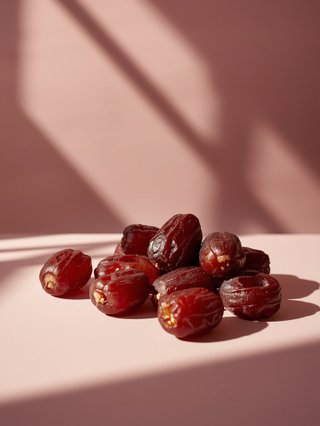
- Dried fruits: dried apricots (up to 1,660 mg/100 g), figs, prunes, and dates;
- Legumes: dry white beans (approx. 1,100 mg/100 g), lentils, chickpeas, and edamame;
- Seeds and nuts: pumpkin seeds, pistachios, almonds, and sunflower kernels;
- Tubers and nightshades: baked jacket potatoes, sweet potatoes, vine-ripened tomatoes, tomato paste, and tomato juice;
- Leafy greens: dark spinach, Swiss chard, kale, and fresh parsley;
- Fresh fruits: avocados (approx. 485 mg/100 g), cantaloupes, kiwis, and pomegranates.
The Sodium-to-Potassium Ratio: Key to Vascular Health
Modern industrialized diets suffer from a stark distortion of the evolutionary sodium-to-potassium ratio. Excessive consumption of ultra-processed foods laded with sodium chloride, coupled with inadequate intake of whole vegetables, leads to a sodium intake that drastically exceeds potassium.
An unfavorable Na:K ratio induces endothelial dysfunction, arterial stiffening, and fluid retention. The gold standard for cardiovascular longevity—exemplified by the DASH (Dietary Approaches to Stop Hypertension) diet—entails both curbing discretionary salt and deliberately magnifying the proportion of unrefined, potassium-dense produce.
Daily Recommended Intake, Deficiency, and Hyperkalemia
According to clinical nutritional guidelines from the World Health Organization (WHO) and the European Food Safety Authority (EFSA), the recommended adequate intake (AI) of potassium for healthy adults stands at 3,500 mg to 4,700 mg per day.
Potassium deficiency (hypokalemia) manifests through painful muscle cramps, physical fatigue, neuromuscular irritability, constipation, and cardiac palpitations. In healthy individuals, excess dietary potassium is readily filtered by renal tubules. However, patients suffering from chronic kidney disease (CKD) or taking ACE inhibitors and potassium-sparing diuretics must strictly monitor potassium intake to avoid life-threatening hyperkalemia.
Cooking Techniques and Meal Assembly to Preserve Potassium
Potassium is highly water-soluble. Boiling vegetables in generous amounts of water and discarding the cooking broth can leach away up to 50% to 70% of their baseline potassium content. To maximize potassium retention:
- Prioritize gentle steaming, sous-vide, stir-frying, or oven-roasting over boiling;
- When preparing broths, stews, or vegetable purée soups, consume the liquid to ingest all dissolved minerals;
- Incorporate raw greens, avocado, and pumpkin seeds into daily lunch and dinner plates;
- Swap commercial salty snacks for unsulfured dried apricots and raw almonds.
Want to apply these guidelines in your daily diet?
Our smart diet generator creates a tailored meal plan in 3 minutes based on the recommendations in this article.
Tags

Lena Bauer
• 25.11.2026Diets Premium Expert
Diets Premium team expert. Specializes in nutrition plans, strength sports, and training plans.