How to grow cilantro and how to use it in cooking and herbal medicine?
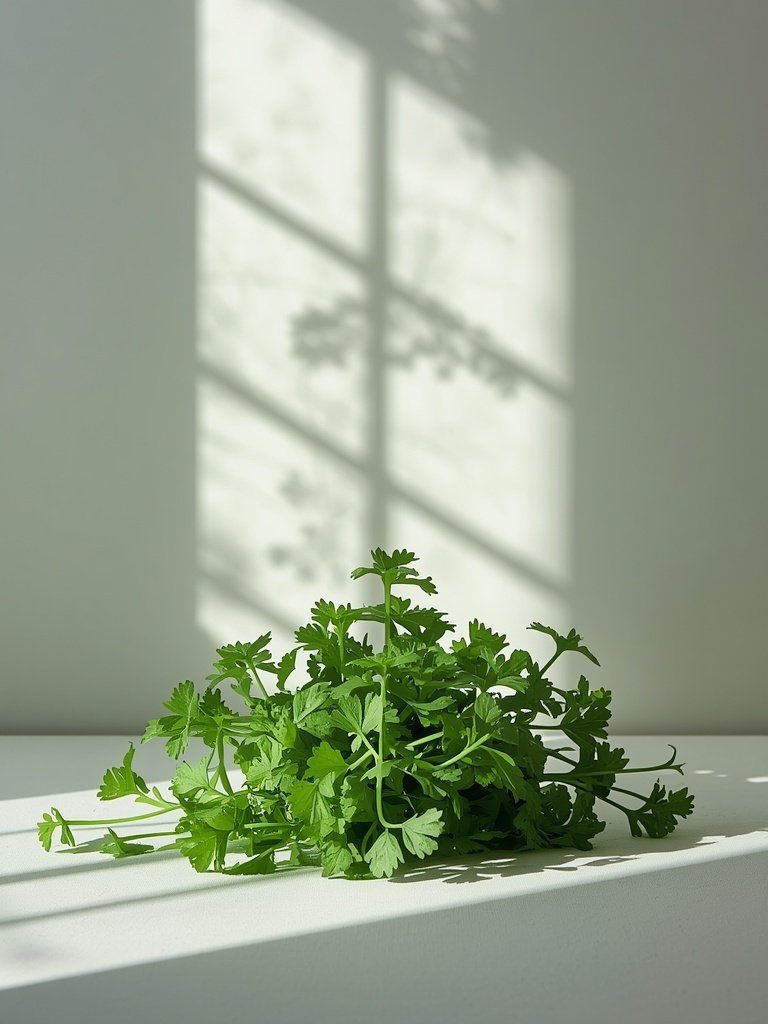
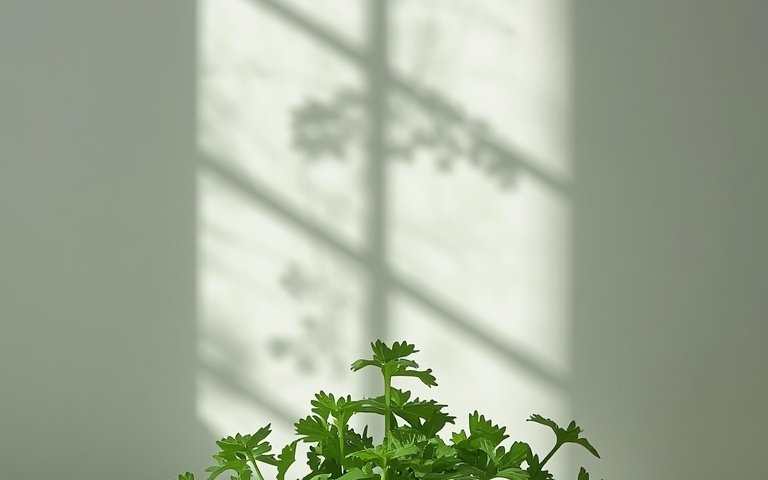
Table of Contents 4
Medical & Editorial Disclaimer (§3 Terms): This article is for informational and educational purposes only, does not constitute medical advice, diagnosis, or treatment, and is used at your own risk. Consult a qualified physician for medical conditions.
The physiological benefits of coriander are rooted in its rich composition of essential oils, particularly linalool, alongside a variety of protective antioxidants and flavonols. These bioactive constituents contribute to digestive comfort, helping to ease bloating and stimulate gastric secretions. Furthermore, the presence of various vitamins and plant compounds in the leaves offers support for the body's natural defenses, making it a functional addition to a balanced, health-conscious diet.
For practical daily use, it is best to add fresh cilantro leaves at the very end of the cooking process to preserve their delicate aromatic volatile compounds. To unlock the nutty notes of the seeds, they should be lightly toasted in a dry pan before being crushed or ground for use in stews and marinades. While coriander is safe and beneficial when consumed in standard culinary amounts, it is advisable to avoid concentrated medicinal extracts or essential oils during pregnancy due to their potential stimulatory effects.
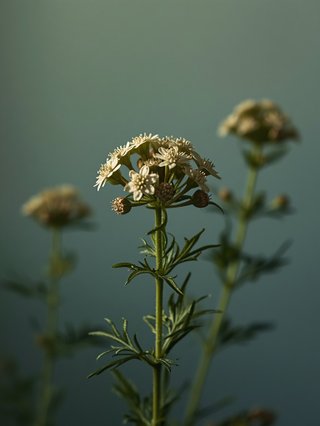
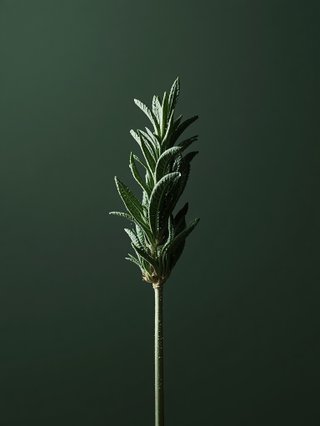
Coriander (Coriandrum sativum) ranks among humanity's oldest culinary and therapeutic herbs. Both its fresh green leaves (cilantro) and fragrant globular seeds supply essential oils dense in linalool, providing antioxidant and digestive support.
Botanical Profile and Bioactive Constituents
Coriander is an annual herbaceous plant belonging to the Apiaceae family:
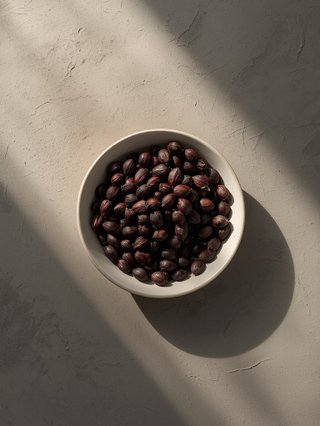
- Seeds: Supply aromatic essential oils primarily composed of linalool (60–70%), camphor, and geraniol, which stimulate gastric secretions and ease flatulence.
- Leaves (Cilantro): Rich in phylloquinone (vitamin K), ascorbic acid, and protective flavonols such as quercetin.
- Genetic taste perception: Variants in the olfactory receptor gene OR6A2 cause approximately 10–15% of individuals to perceive aldehydes in cilantro as tasting like soap.
Cultivating Coriander in the Garden and Indoors
Coriander can be effortlessly cultivated in garden beds or windowsill containers:
- Location: Full sun to light partial shade in well-draining, loamy soil.
- Sowing: Direct sow from spring onwards, planting seeds 1–2 cm deep.
- Irrigation: Maintain even moisture without waterlogging roots.
- Harvest: Snip tender outer leaves continuously; harvest seed umbels when they turn golden-brown to dry.
Safety Considerations and Pregnancy Guidelines
When consumed in standard culinary quantities as a fresh herb or spice, coriander is safe and health-promoting. However, concentrated medicinal extracts and essential oils should be avoided during pregnancy due to potential uterine stimulant properties.
Culinary Applications: Global Recipes and Seasoning Tips
Coriander bridges global cuisines from Southeast Asia to Latin America and the Middle East:
- Fresh Cilantro Leaves: Add at the very end of cooking to curries, Vietnamese pho, guacamole, and ceviche to preserve volatile aromatics.
- Toasted Seeds: Crack and toast in dry pans to unlock nutty notes for marinades, chili, and lentil stews.
Want to apply these guidelines in your daily diet?
Our smart diet generator creates a tailored meal plan in 3 minutes based on the recommendations in this article.
Tags

Lena Bauer
• 25.11.2026Diets Premium Expert
Diets Premium team expert. Specializes in nutrition plans, strength sports, and training plans.