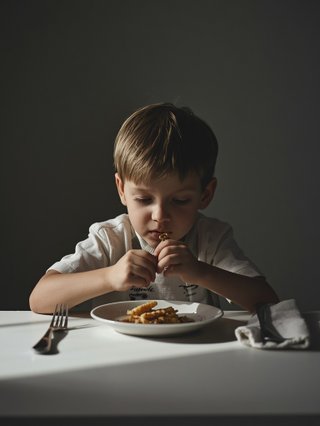
How to deal with diarrhea in a child?

Table of Contents 3
Medical & Editorial Disclaimer (§3 Terms): This article is for informational and educational purposes only, does not constitute medical advice, diagnosis, or treatment, and is used at your own risk. Consult a qualified physician for medical conditions.
Viral infections, most notably those caused by rotaviruses, represent the primary trigger for acute gastroenteritis in early childhood, alongside less frequent bacterial infections involving Salmonella or Campylobacter strains and microbial toxins. When these pathogens disrupt gastrointestinal function, the resulting fluid loss is frequently compounded by fever or vomiting, placing significant strain on the child's hydration status.
The cornerstone of supportive home care involves immediate oral rehydration therapy using pharmacy-grade glucose-electrolyte solutions with reduced osmolarity while maintaining appropriate nutritional intake. Offering slightly chilled, fruit-flavored rehydration fluids can help soothe the child and reduce the likelihood of vomiting compared to warm beverages. While home rehydration strategies provide vital initial support, they do not replace professional medical care, and prompt consultation with a pediatrician is essential for newborns, infants, or any child exhibiting severe or persistent symptoms.
Etiological determinants of diarrhea in young children: infection pathways and causative agents
Managing Diarrhea in Children: A Step-by-Step Evidence-Based Guide for Parents
Evidence-Based Home Management Strategies for Pediatric Diarrhea: A Parent’s Comprehensive Guide
Want to apply these guidelines in your daily diet?
Our smart diet generator creates a tailored meal plan in 3 minutes based on the recommendations in this article.
Tags

Isabella Taylor
• 25.11.2026Diets Premium Expert
Diets Premium team expert. Specializes in nutrition plans, strength sports, and training plans.