How to deal with constipation with a high-fiber diet
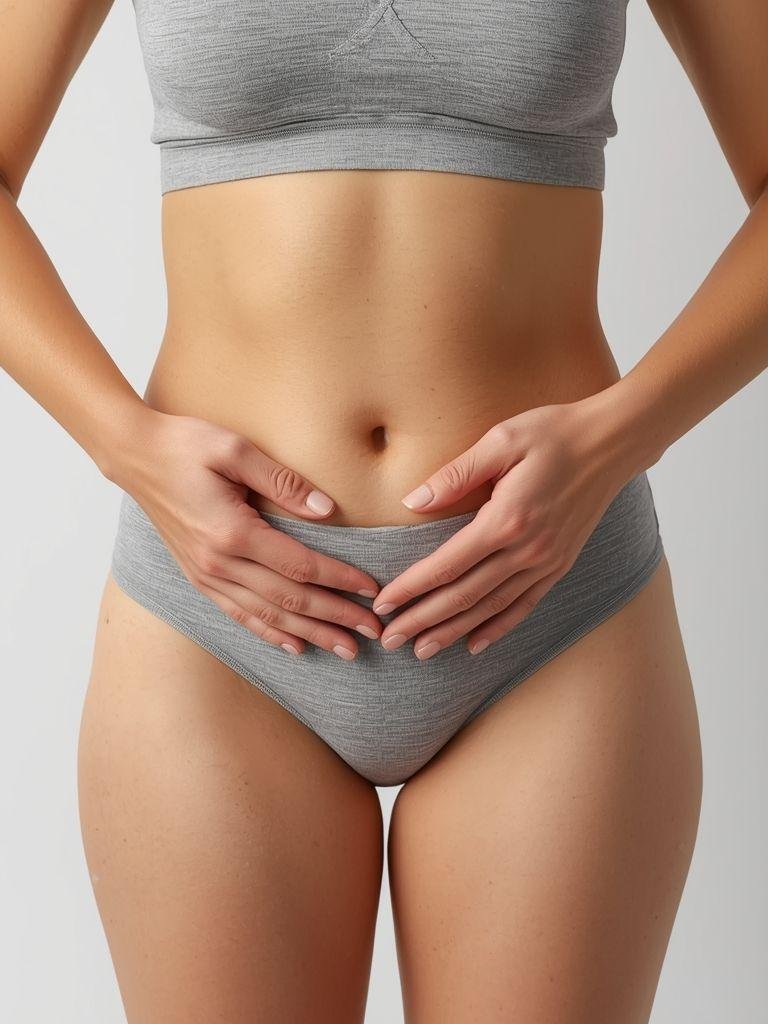
Table of Contents 4
Medical & Editorial Disclaimer (§3 Terms): This article is for informational and educational purposes only, does not constitute medical advice, diagnosis, or treatment, and is used at your own risk. Consult a qualified physician for medical conditions.
The article delves into how difficulties in passing stool can manifest, often linked to reduced frequency or altered stool consistency, becoming hard and dry. It highlights the pivotal role of a fiber-rich diet, as dietary fiber, found in plant cell walls, remains undigested and promotes water retention in the digestive tract, facilitating stool passage. Adequate fluid intake is equally important, as fiber binds water, and insufficient hydration can lead to dry, compact intestinal contents. Regular physical activity is also emphasized, as movement stimulates bowel activity and counteracts abdominal muscle weakening.
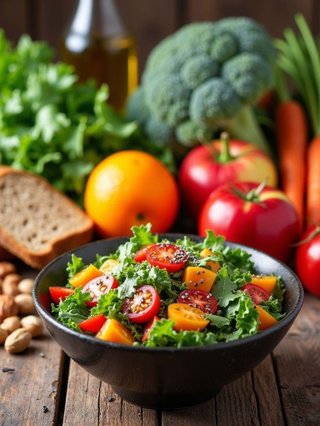
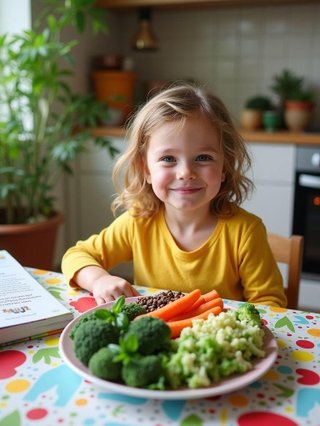
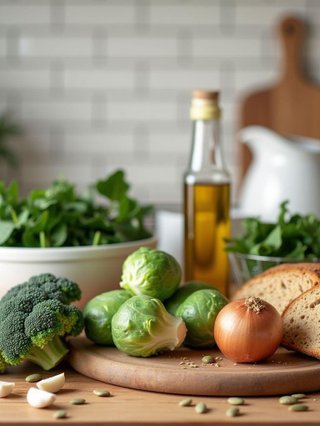
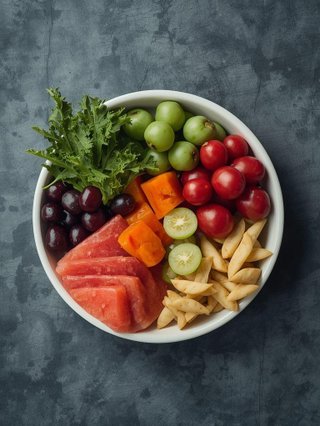
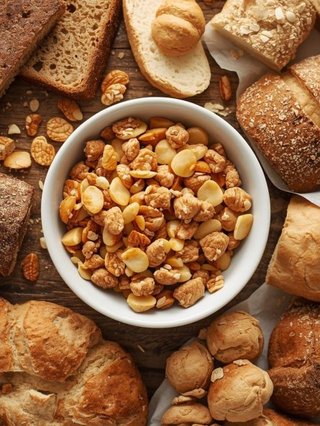
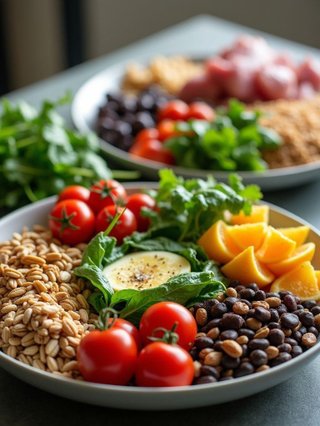
To combat constipation, it is advisable to consciously shift towards a diet rich in fiber-rich foods, including whole grains, fruits, vegetables, and legumes. Simultaneously, consistent and sufficient fluid intake, preferably water, should be ensured. Additionally, incorporating regular physical activity into daily life is highly significant to naturally support bowel function and foster a healthy lifestyle.
Reasons associated with difficulties in passing stool
A diet rich in dietary fiber
Adequate provision of fluid to the body
Regular physical activity
Want to apply these guidelines in your daily diet?
Our smart diet generator creates a tailored meal plan in 3 minutes based on the recommendations in this article.

mgr Max Müller
• 25.11.2026Diets Premium Expert
Diets Premium team expert. Specializes in nutrition plans, strength sports, and training plans.