A high glycemic index in food is the main factor responsible for acne!


Table of Contents 4
Medical & Editorial Disclaimer (§3 Terms): This article is for informational and educational purposes only, does not constitute medical advice, diagnosis, or treatment, and is used at your own risk. Consult a qualified physician for medical conditions.
Consuming high-glycemic carbohydrates, such as refined flour or sugar-sweetened beverages, triggers acute blood sugar spikes and a compensatory surge in insulin secretion. This process stimulates the production of insulin-like growth factor (IGF-one) and promotes both increased sebum production and follicular hyperkeratinization. Furthermore, dairy products and whey protein concentrates can exacerbate skin inflammation due to their inherent androgen precursors and disproportionate insulinemic response.
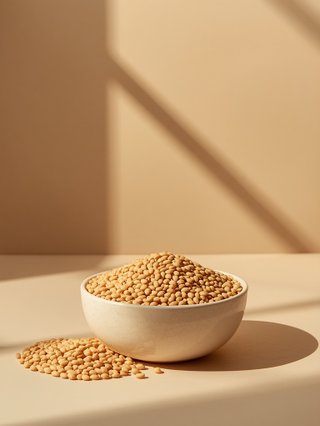
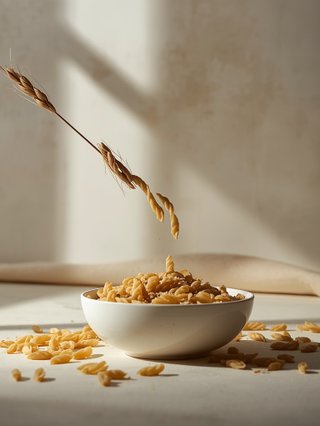
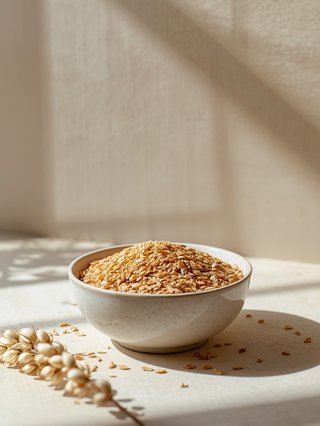
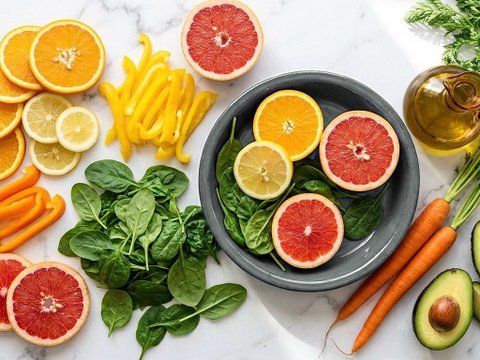
Effective nutritional management of acne centers on crafting meals with low glycemic loads. An anti-acne dietary approach emphasizes zinc- and antioxidant-dense vegetables, coarse whole grains like buckwheat and barley, pulses, and anti-inflammatory omega-three fatty acids found in sources such as wild salmon or flaxseed. Substituting dairy with fortified, unsweetened plant-based alternatives often leads to marked dermatological improvement.
The diet-insulin-IGF-1 signaling axis in acne pathophysiology
Follicular hyperkeratinization and sebum hypersecretion
The role of dairy and whey/casein proteins in aggravating skin inflammation
Principles of an anti-acne diet featuring low glycemic loads
Want to apply these guidelines in your daily diet?
Our smart diet generator creates a tailored meal plan in 3 minutes based on the recommendations in this article.
Tags

Julia Wójcik
• 25.11.2026Diets Premium Expert
Diets Premium team expert. Specializes in nutrition plans, strength sports, and training plans.