Healthy snacks between meals – physiological hunger, blood sugar stabilization, and balanced composition


Table of Contents 4
Medical & Editorial Disclaimer (§3 Terms): This article is for informational and educational purposes only, does not constitute medical advice, diagnosis, or treatment, and is used at your own risk. Consult a qualified physician for medical conditions.
A foundational concept examined across the chapters is the physiological distinction between homeostatic hunger and hedonic appetite. True physical hunger develops gradually after a meal, produces somatic signals, and responds well to wholesome foods like raw carrots or walnuts, whereas emotional appetite strikes abruptly due to acute psychological stress, boredom, or fatigue, fixating selectively on hyper-palatable items such as chocolate or savory chips. Furthermore, the text addresses the common pitfall of consuming isolated high-glycemic carbohydrates like solitary bananas, puffed rice cakes, or fruit juices, which trigger rapid glucose surges, compensatory insulin spikes, and subsequent reactive hypoglycemic dips. By applying a tripartite macronutrient approach that pairs fibrous complex carbohydrates with a protein anchor and essential lipids, gastric emptying velocity is blunted and glycemic excursions are flattened. The discussion also highlights chronobiological factors, noting that continuous grazing maintains elevated baseline insulin levels and suppresses lipolysis.
To translate these clinical insights into daily routines, the guide advises treating snacks as scheduled mini-meals positioned evenly between primary repasts and consuming them mindfully away from workstations and smartphones to ensure proper mastication and visceral satiety registration. Actionable, nutrient-dense whole-food combinations include crisp vegetable crudités such as carrots, bell peppers, and cucumber paired with chickpea hummus, as well as plain Greek yogurt or whole kefir stirred with wild blueberries and chia seeds. Additional balanced formulations feature raw walnuts alongside a crisp green apple, whole-grain sourdough crispbread topped with smoked salmon and fresh herbs, or low-fat cottage cheese garnished with radishes and pumpkin seeds.
Inter-meal snacking represents one of the most volatile decision points in daily nutritional management. Handled impulsively, casual grazing degenerates into insidious caloric accumulation, glycemic rollercoasters, and metabolic dysfunction. Deployed with clinical intention, however, balanced snacks function as stabilizing bridges that prevent cognitive fatigue and curb ravenous nocturnal overeating. This guide differentiates homeostatic from hedonic hunger, details the macronutrient tripartite rule (protein, fiber, healthy fats), and presents rapid whole-food snack formulations.
Homeostatic Hunger versus Hedonic Appetite: Deciphering Somatic Signals
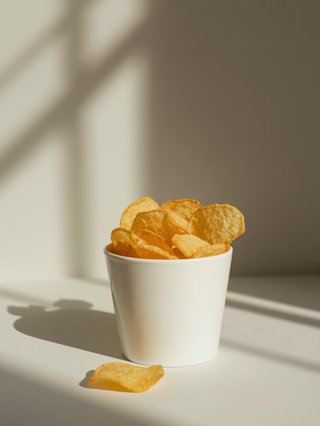
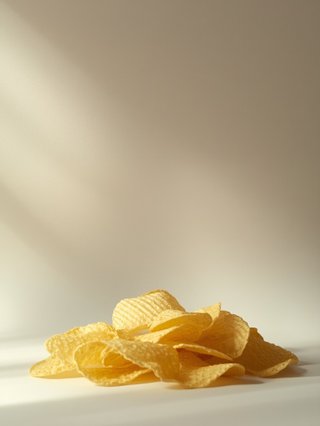
Mastering snacking begins with distinguishing physiological hunger from emotional appetite. Homeostatic hunger develops gradually several hours postprandially, signaled by epigastric rumbling, and can be satisfied by a diverse range of wholesome foods (e.g., raw carrots or walnuts). Conversely, hedonic hunger strikes abruptly, catalyzed by acute psychological stress, boredom, or fatigue, selectively fixates on hyper-palatable foods (chocolates, savory chips), and persists even after gastric distension, frequently culminating in emotional guilt.
The Tripartite Formulation: Protein, Fiber, and Essential Lipids
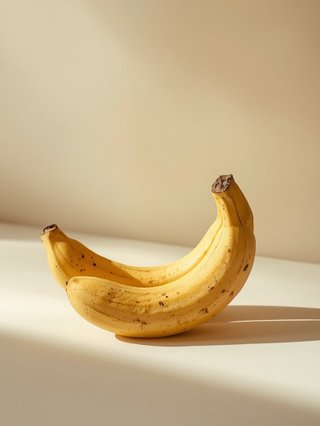
The ubiquitous error in modern snacking is selecting isolated high-glycemic carbohydrates (solitary bananas, puffed rice cakes, fruit juices). These trigger rapid blood glucose surges followed by compensatory insulin spikes and reactive hypoglycemic dips, resurrecting acute hunger within 60 minutes. The clinical countermeasure is pairing fibrous complex carbohydrates with a protein anchor or healthy lipid, blunting gastric emptying velocity and flattening glycemic excursions.
Evidence-Based Whole-Food Snack Formulations
Proven, nutrient-dense snack formulations executable in under three minutes include: 1) Crisp vegetable crudités (carrots, bell peppers, cucumber) dipped in 2–3 tablespoons of chickpea hummus; 2) Plain Greek yogurt or whole kefir stirred with wild blueberries and chia seeds; 3) A handful of raw walnuts paired with a crisp green apple; 4) Whole grain sourdough crispbread topped with smoked salmon and fresh herbs; 5) Low-fat cottage cheese seasoned with radishes and pumpkin seeds.
Chronobiology and Mindful Ingestion: When and How to Snack
Snacking must never devolve into chronic, mindless grazing throughout the day; continuous digestive recruitment sustains elevated baseline insulinemia, completely suppressing lipolysis. Interventions should designate snacks as scheduled mini-meals, strategically positioned equidistant between primary repasts (e.g., at 16:00 bridging a 12:30 lunch and a 19:30 dinner). Eating mindfully away from workstations and smartphones ensures proper mastication, registers visceral satiety, and optimizes digestion.
Want to apply these guidelines in your daily diet?
Our smart diet generator creates a tailored meal plan in 3 minutes based on the recommendations in this article.
Tags

Olivia Davis
• 25.11.2026Diets Premium Expert
Diets Premium team expert. Specializes in nutrition plans, strength sports, and training plans.